

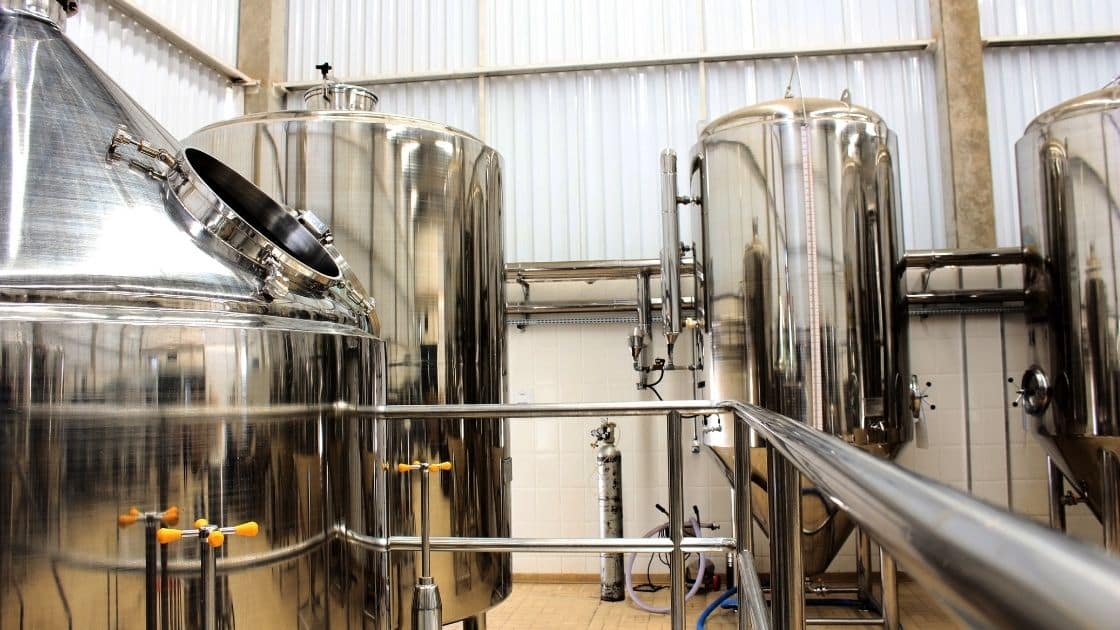
A chassis tank is a stainless steel processing vessel mounted onto a structural frame or mobile skid, used for mixing, transporting, or temporarily storing fluids and semi-liquids. Unlike fixed industrial tanks, chassis tanks are designed for mobility, offering operational flexibility in production lines, process skids, or transfer systems. These tanks are particularly valuable in sectors where sanitation, precision, and modular system integration are essential—such as food production, pharmaceutical manufacturing, cosmetics, and chemical processing.
Chassis tanks are engineered to meet specific process and regulatory requirements. Designed for robustness and ease of cleaning, these tanks serve both as a processing unit and as a transport-friendly solution. Whether utilized for active ingredient handling in cleanrooms or for mobile blending operations in chemical facilities, chassis tanks are critical for ensuring hygiene, durability, and process control.
Design and Engineering of Chassis Tanks
Designing a chassis tank involves a combination of mechanical, hygienic, and functional considerations. Engineers take into account the tank’s intended use, material compatibility, pressure requirements, and environmental exposure. CAD modeling and finite element analysis (FEA) help simulate mechanical stresses and optimize tank geometry, especially when pressure, agitation, or mobility is involved.
Chassis tanks may be cylindrical, conical, or rectangular in shape, depending on volume and mobility constraints. The bottom may be sloped or equipped with drain valves to ensure complete discharge and easy cleaning. For thermally sensitive contents, double-walled or jacketed tank models allow integrated heating or cooling systems. Surface finish requirements are also a key part of design, with food and pharmaceutical applications typically requiring internal Ra values of 0.6 µm or lower.
Material Selection and Compliance
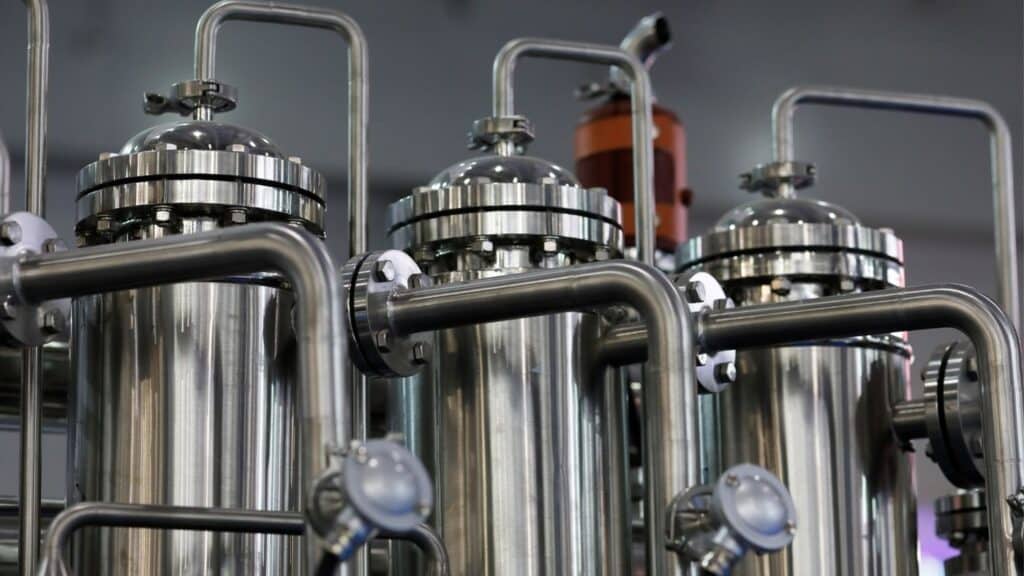
The selection of materials for a chassis tank directly affects its longevity and compliance. Austenitic stainless steels such as AISI 304L and 316L are commonly used for their corrosion resistance, cleanability, and weld integrity. These materials are suitable for applications involving aggressive chemicals, acidic solutions, or temperature variation.
Tanks built for pharmaceutical or food use must comply with regulatory frameworks such as GMP, 3-A Sanitary Standards, or FDA guidelines. Chemical and cosmetics applications may follow ATEX or PED certifications, depending on the product. In all cases, these tanks must be manufactured in accordance with the standards of the intended industry, with material traceability, source documentation and verification protocols.
Custom Fabrication Techniques for Chassis Tanks
Fabricating a chassis tank demands both engineering precision and hands-on expertise. The manufacturing process begins with CNC-controlled cutting and forming, followed by highly controlled welding procedures such as TIG or orbital welding. Each weld is subjected to internal inspection protocols, which may include dye penetrant, visual, or radiographic examination.
Custom fabrication is key to tailoring each chassis tank to its process environment. Some tanks include internal agitation systems (top-entry or magnetic mixers), level sensors, load cells, or instrumentation ports for automation integration. These elements should be integrated into the design from the outset, ensuring a seamless build process and reduced installation time.
Coating and finishing processes vary based on application. For chemical industries, acid-resistant coatings may be added externally. In food and pharma, electropolishing ensures ultra-smooth surfaces that discourage bacterial retention. Every chassis tank should undergo thorough documentation and quality control testing.
Advantages of Chassis Tanks in Modern Manufacturing
The modularity and portability of these tanks make them particularly attractive for multi-purpose installations and environments requiring high compatibility. Unlike stationary tanks, these units can be moved from one production line to another, reducing downtime and maximizing resource utilization.
Additional benefits include:
- Reduced installation cost: Chassis-mounted tanks are ready-to-use and require minimal on-site fabrication.
- Flexibility: Easily integrate into batch or continuous production lines.
- Cleaning efficiency: Designed for compatibility with CIP (Clean-in-Place) and SIP (Sterilize-in-Place) systems.
- Process optimization: Built-in features like baffles, jackets, or insulation improve performance and energy efficiency.
Because they can be adapted to new products or relocated between facilities, transportable stainless steel tanks support long-term cost efficiency and operational agility.
Applications of Chassis Tanks by Industry
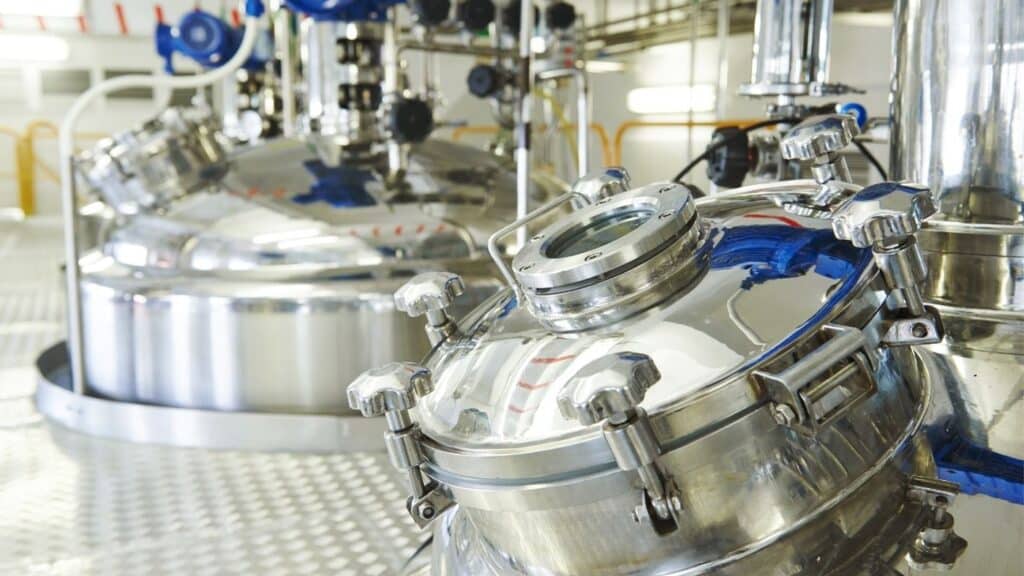
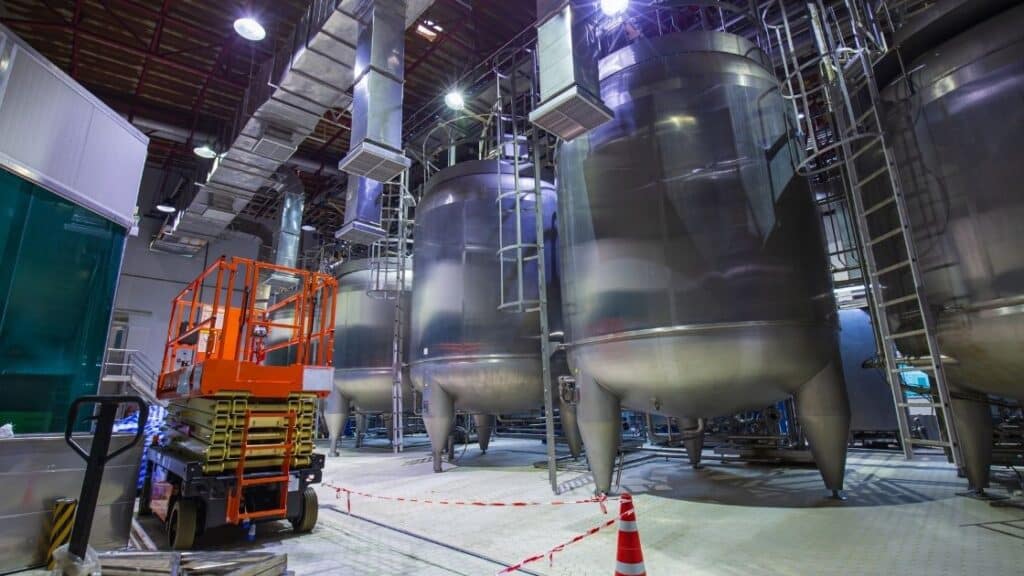
The use of stainless steel process vessels mounted on mobile frames has become essential across multiple sectors where hygiene, precision, and flexibility are critical. These vessels are tailored to meet the unique demands of each industry—whether blending food ingredients, transferring pharmaceutical intermediates, or handling corrosive chemical substances. The following sections explore how these systems are adapted and applied in food, pharmaceutical, cosmetics, and chemical production environments.
Food and Beverage
Stainless steel process tanks are used for blending ingredients like syrups, oils, and flavorings. They are also ideal for temporary fermentation and temperature-controlled storage during transport within facilities.
Pharmaceuticals
Mobile tanks allow pharmaceutical ingredients or intermediate products to be transferred between cleanrooms without cross-contamination. These tanks are built for aseptic conditions and easy validation.
Cosmetics and Personal Care
Products such as creams, gels, or emulsions require gentle mixing and precise temperature control. Jacketed process tank models support these processes with integrated mixing systems and thermal regulation.
Chemical Processing
Corrosive or reactive compounds can be safely processed and moved using tanks constructed with special linings or material alloys. Integrated safety features ensure secure operations under variable pressure or temperature.
Mobility, Integration, and Automation
Mobility is a core advantage of the chassis tank design. These vessels are typically skid-mounted or equipped with base frames, enabling relocation via forklift or pallet truck. Tanks can also incorporate automation interfaces, allowing the unit to be connected to digital control systems for real-time monitoring and process control.
When used in modular production cells, chassis tanks offer plug-and-play compatibility with pumps, sensors, and valve systems, reducing setup time and simplifying maintenance. This adaptability makes them especially valuable in facilities prioritizing lean manufacturing and rapid changeovers.
FAQ about Chassis Tank
What makes chassis tanks different from standard industrial tanks?
Chassis tanks are designed for mobility and integration into flexible processing environments. They are built with sanitary design, structural frames, and customizable features suited to high-compliance industries.
Can chassis tanks be pressurized?
Yes, depending on the application, chassis tanks can be designed as pressure vessels and certified accordingly, including options for vacuum or positive pressure operations.
Are chassis tanks compatible with automated systems?
They can be fitted with sensors, control valves, and communication modules, making them suitable for integration into SCADA or PLC-based systems.
What cleaning methods are supported by chassis tanks?
Most tanks are compatible with CIP and SIP systems, ensuring high levels of hygiene without disassembly.