Custom metal fabrication is the process of producing metal products. Custom metal fabrication specialists are skilled in transforming raw materials into unique products. They use various techniques to enhance the functionality and look of a product. After determining the needs, these experts can determine the types of materials to be used. In addition to this, they will provide a timeline for the final project.
While most metals can be fabricated, there are certain limitations that apply to some. These limitations are based on the type of metal used, its thickness, and its softness or rigidity. Rigidity of steel, for example, will affect the type of processes that are used on it, and the power required to complete them. A more pliable metal, such as copper or aluminum, will need different processes to achieve the same results.
Using an expert in custom metal fabrication is a great way to create a unique product that meets your needs and budget. A skilled metal fabricator will have the knowledge and experience to work with your project, and they will deliver a top-quality, durable product. Lastly, custom metal fabrication experts can provide various metal finishing options, including powder coating.
Custom fabricators come in different forms and styles. Some specialize in quick turn and can complete a simple order in a day or two. While they tend to have lower overhead, they may not be the best choice for a small business. Other types specialize in custom metal fabrication and offer a wide range of services.
Process of the custom metal fabrication
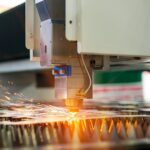
Custom metal fabrication involves the development of detailed results within a specified period of time. To achieve this, metal fabricators bring together a team of experts and refine the design before implementing it into a final product. This process includes selecting the required materials and determining the right cutting method. Depending on the final product, metal fabricators may use laser cutting, angle punching, or twisting to create the desired shape.
The next step is prototyping. Often, rapid sheet metal prototyping techniques are used to produce a working model. This allows the customer to check the feasibility of the design and identify any adjustments needed before moving on to the next phase of the production. Once the customer has approved the prototype, the metal fabricator transfers the CAD design to computer-controlled machines. These machines usually use automated punching and cutting machines.