

Trailers Manufacturing
Request A Quote
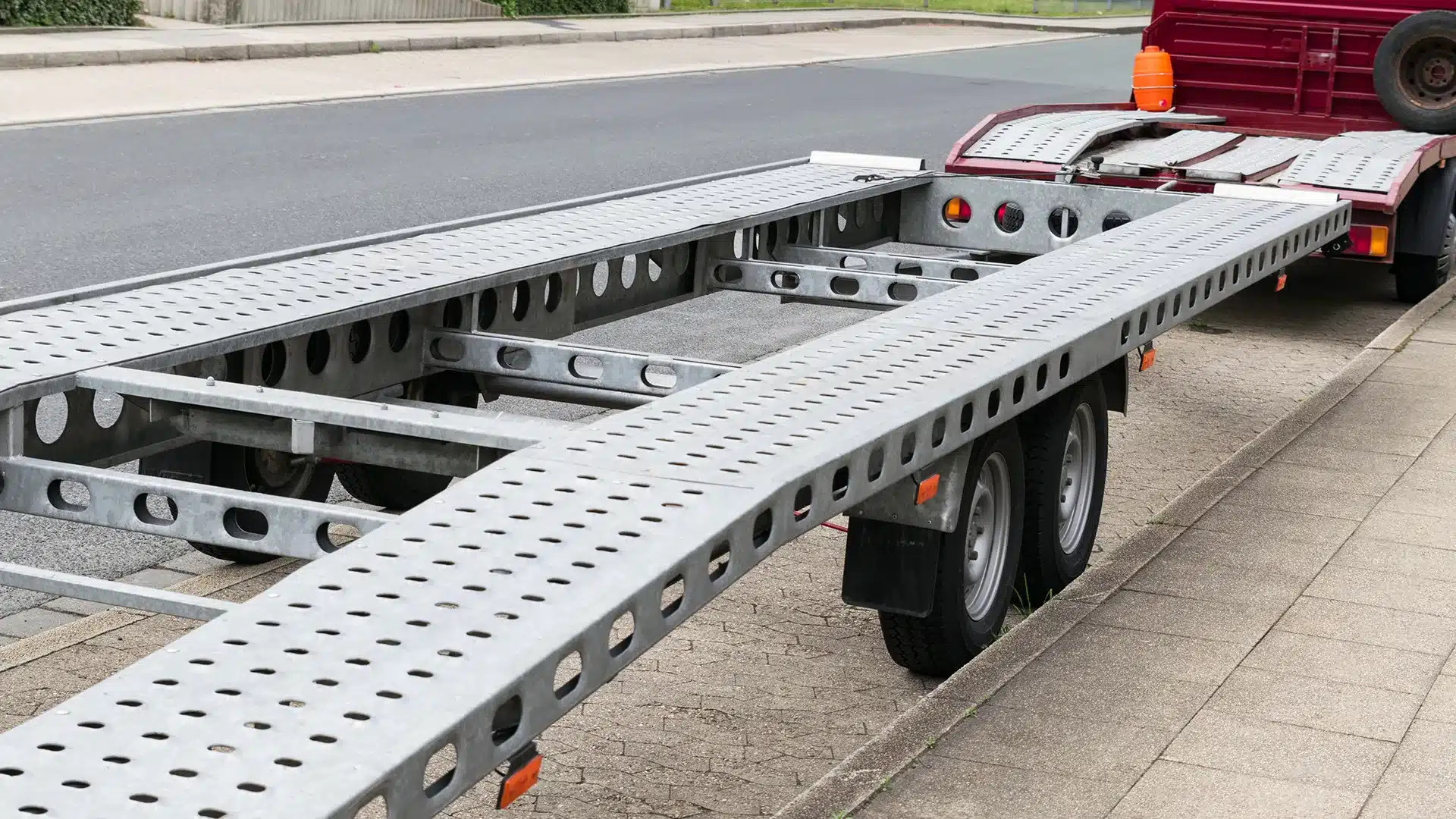
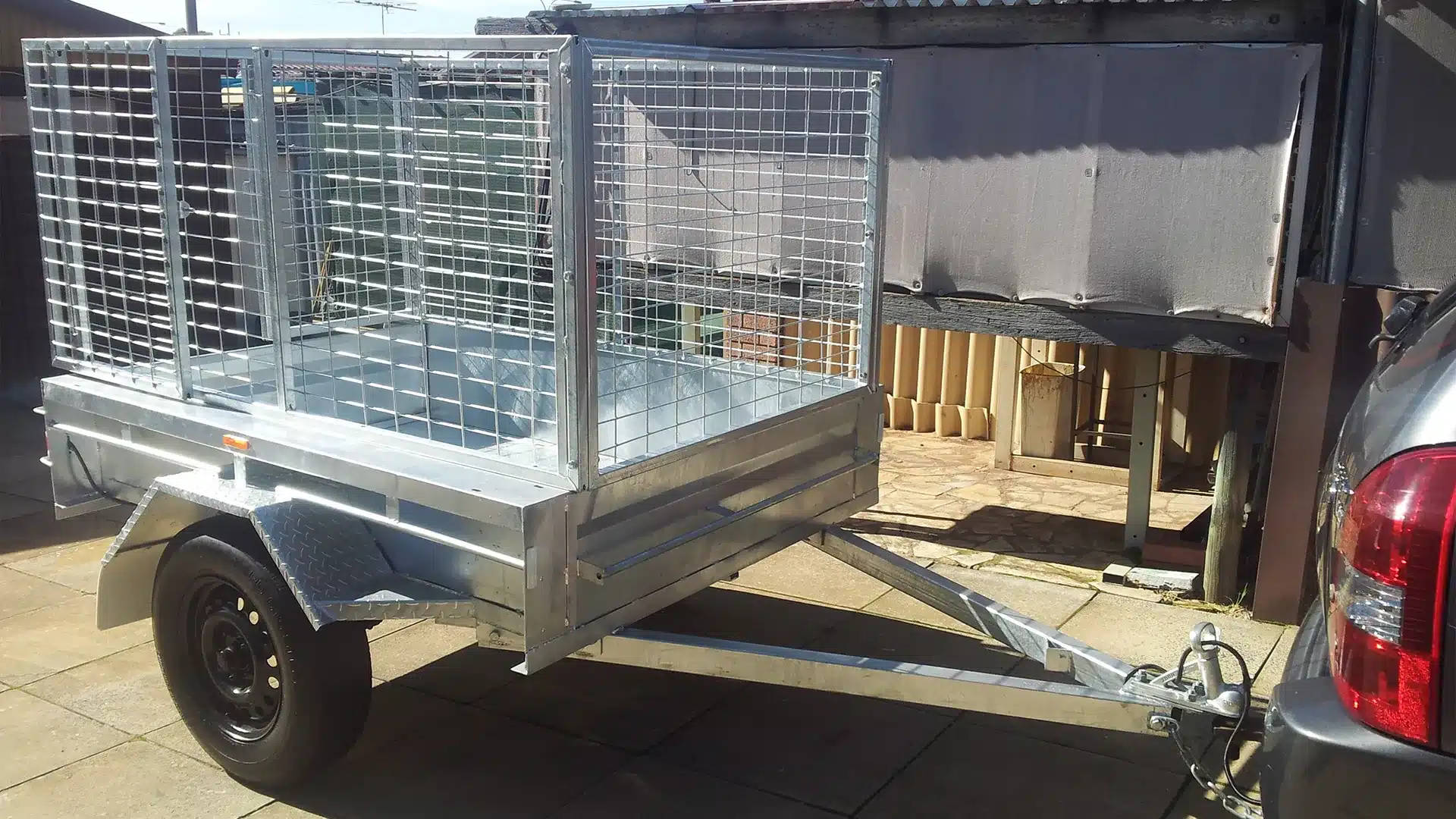
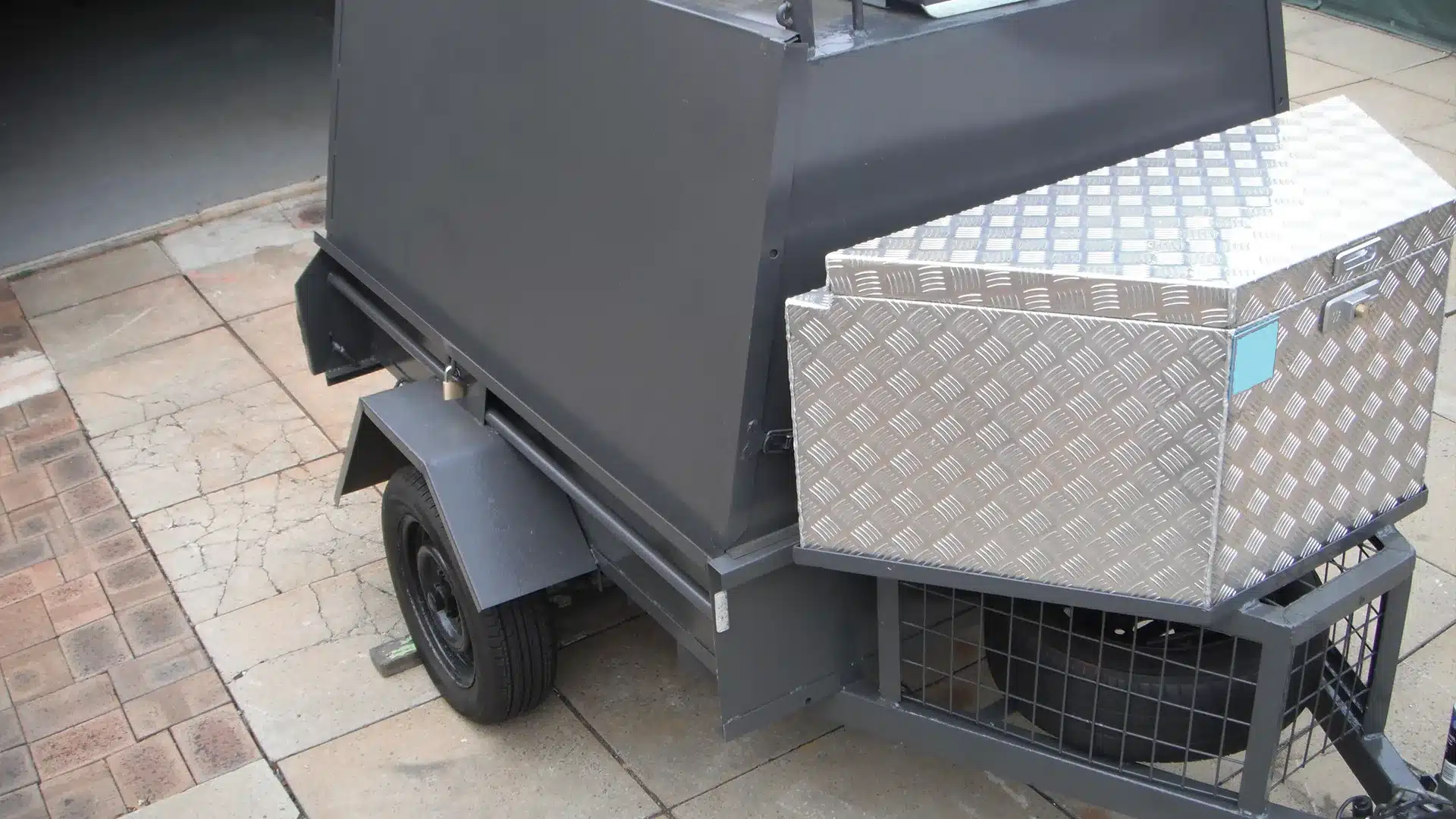
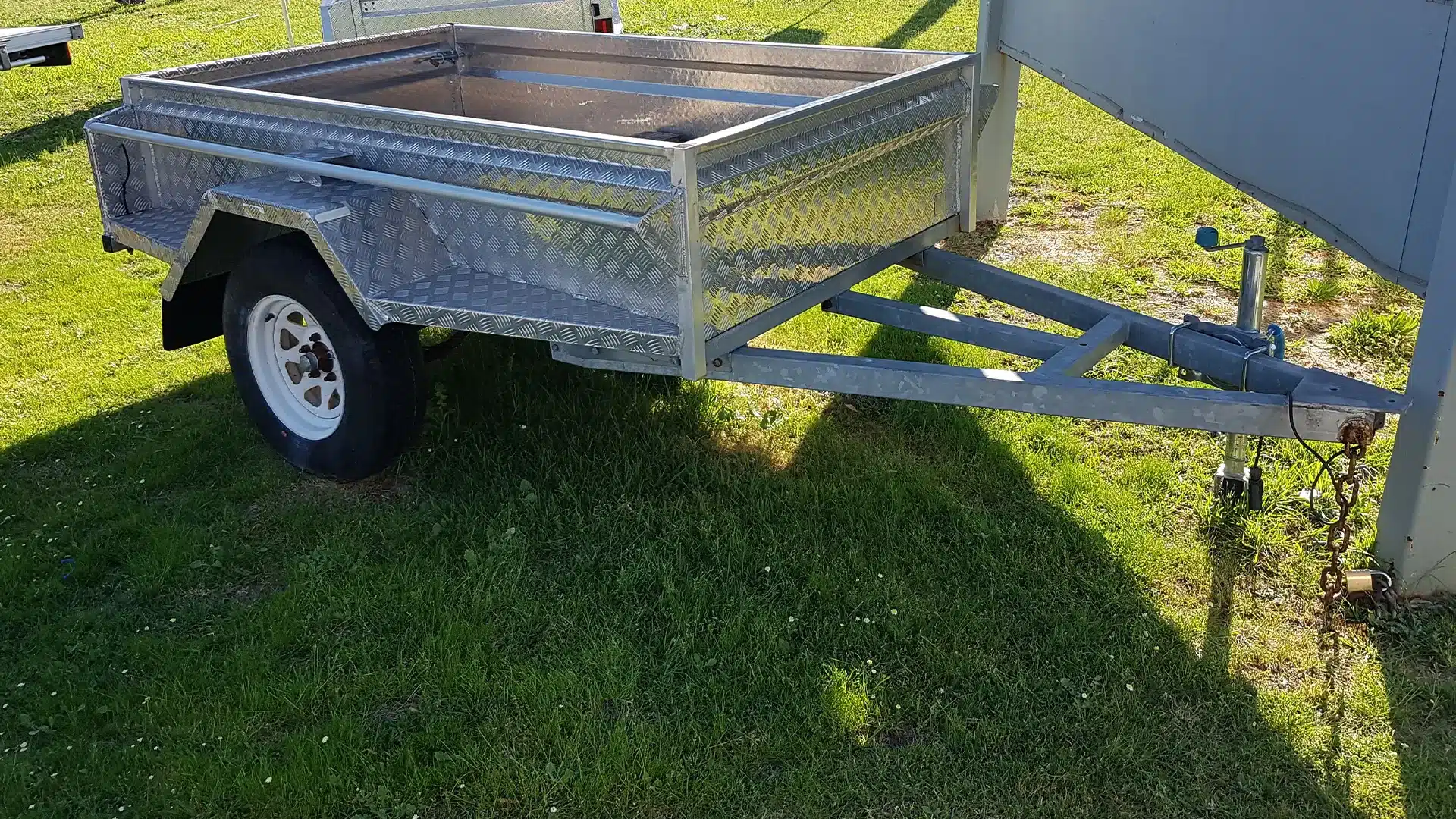
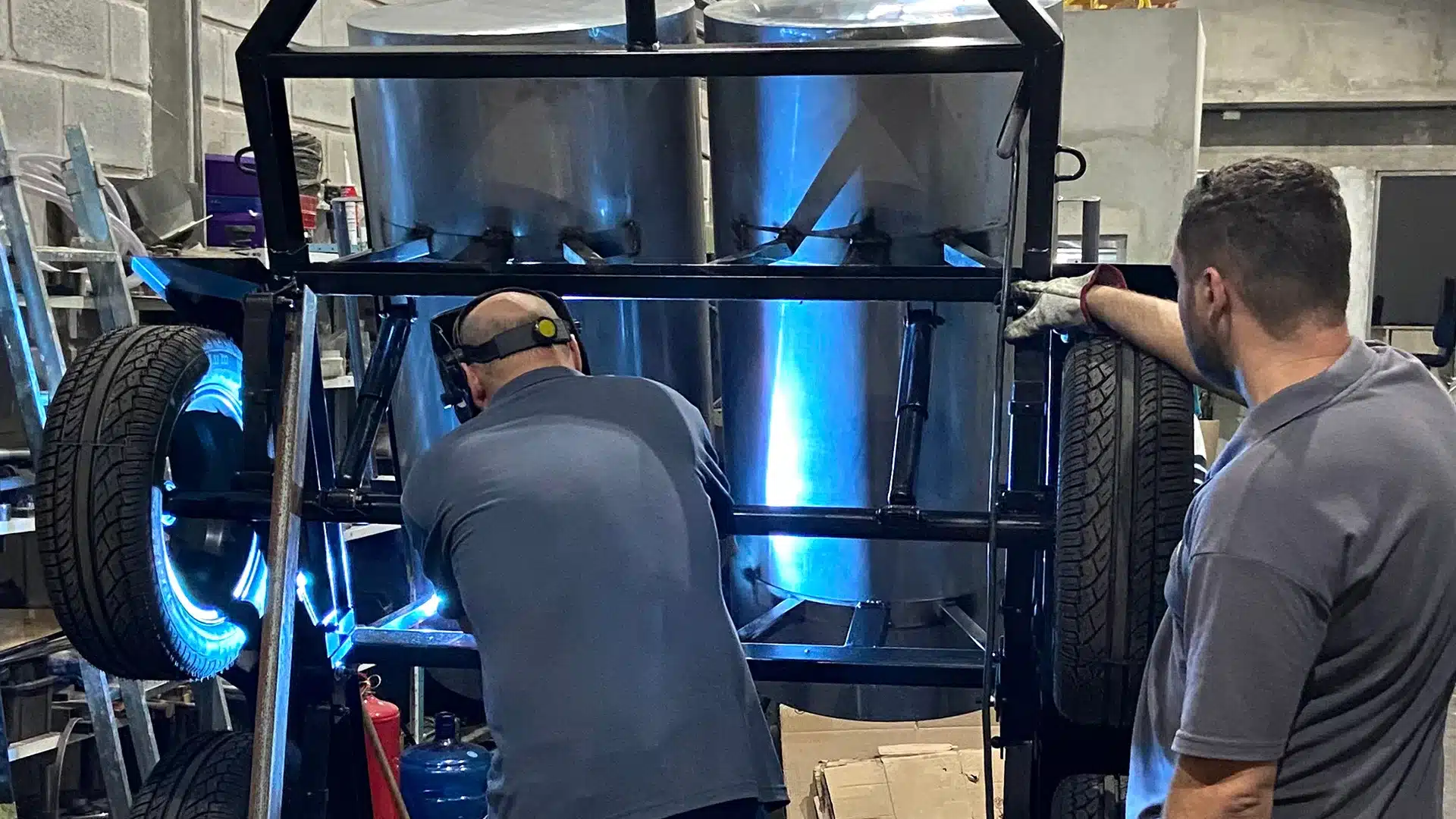
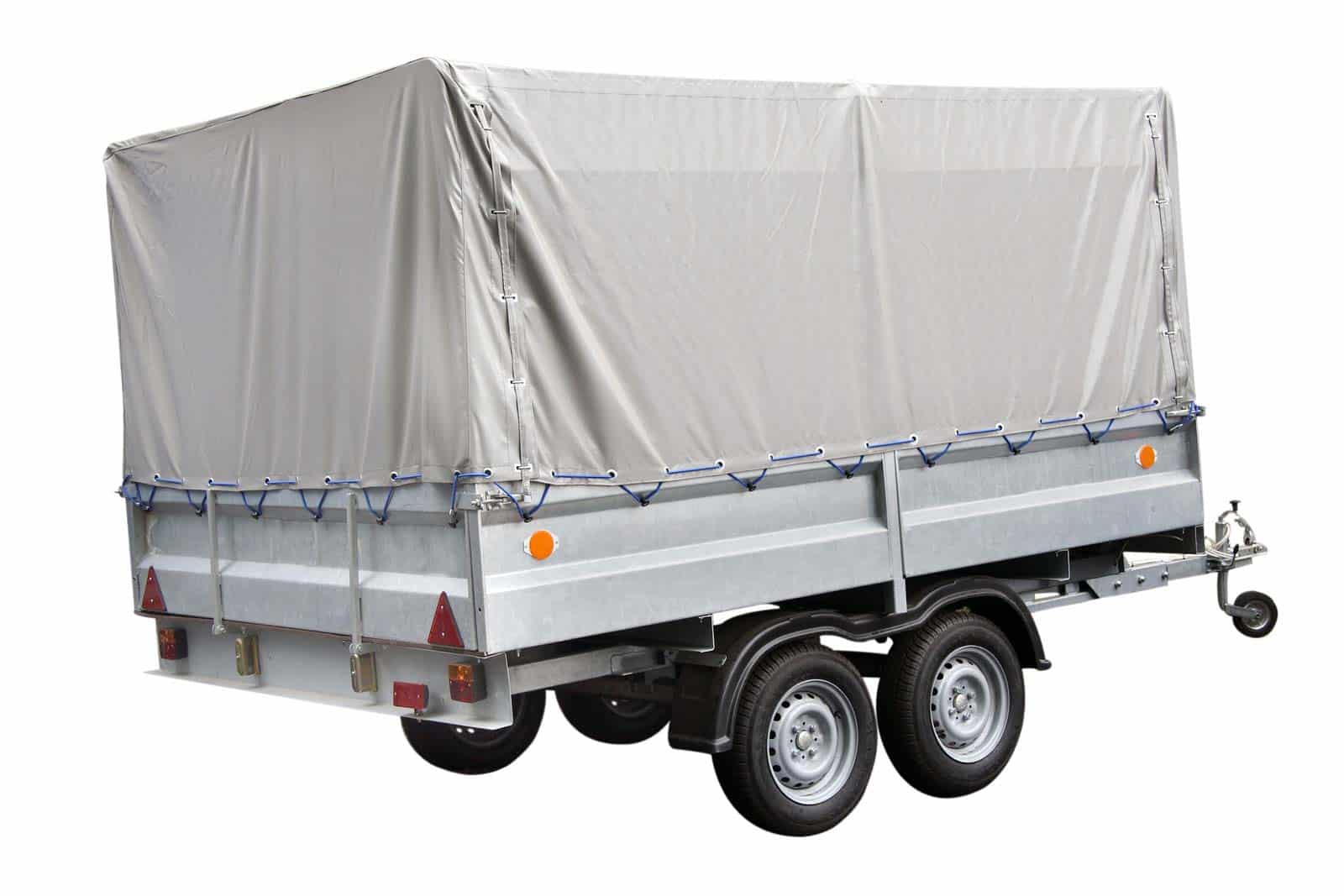
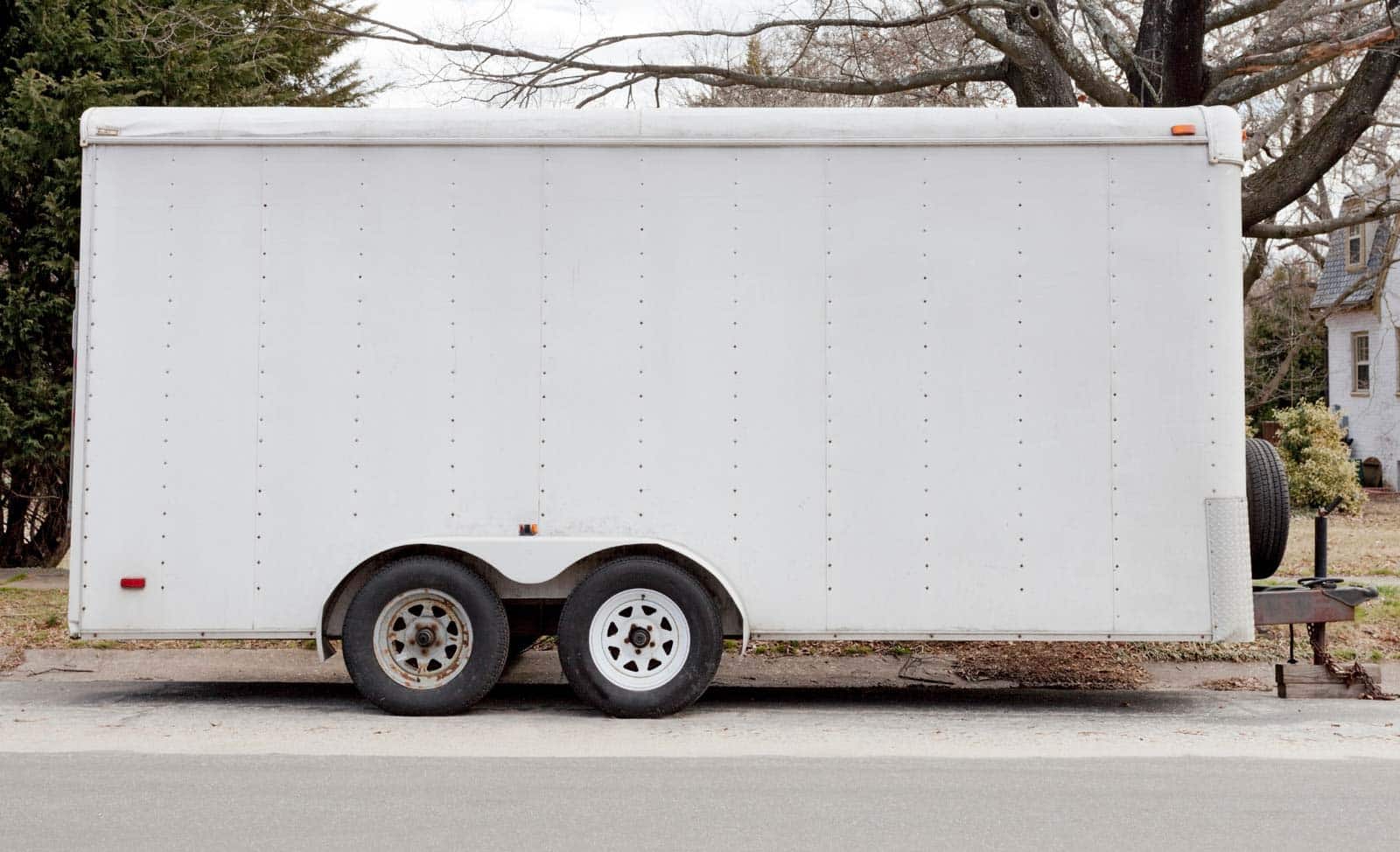
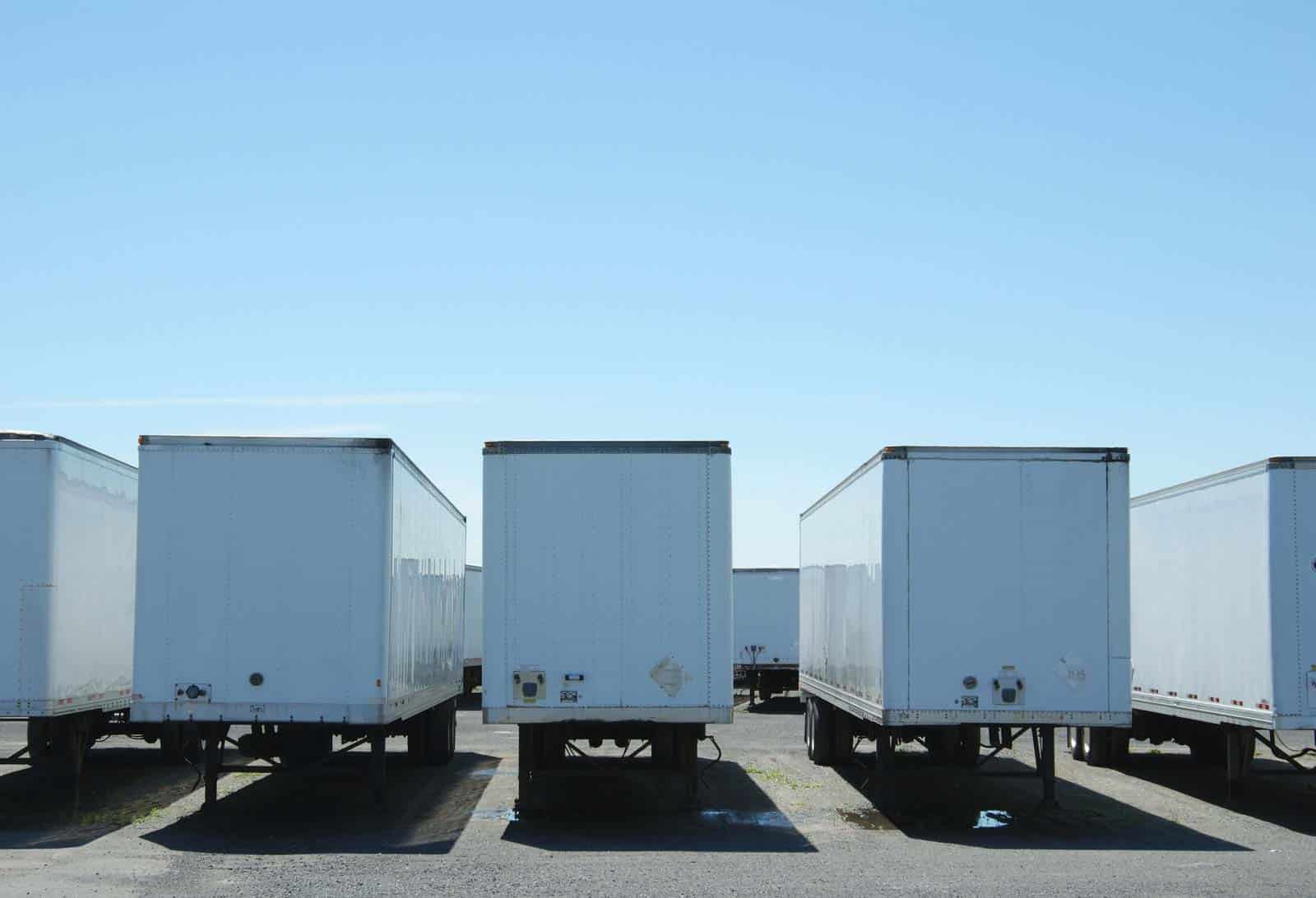
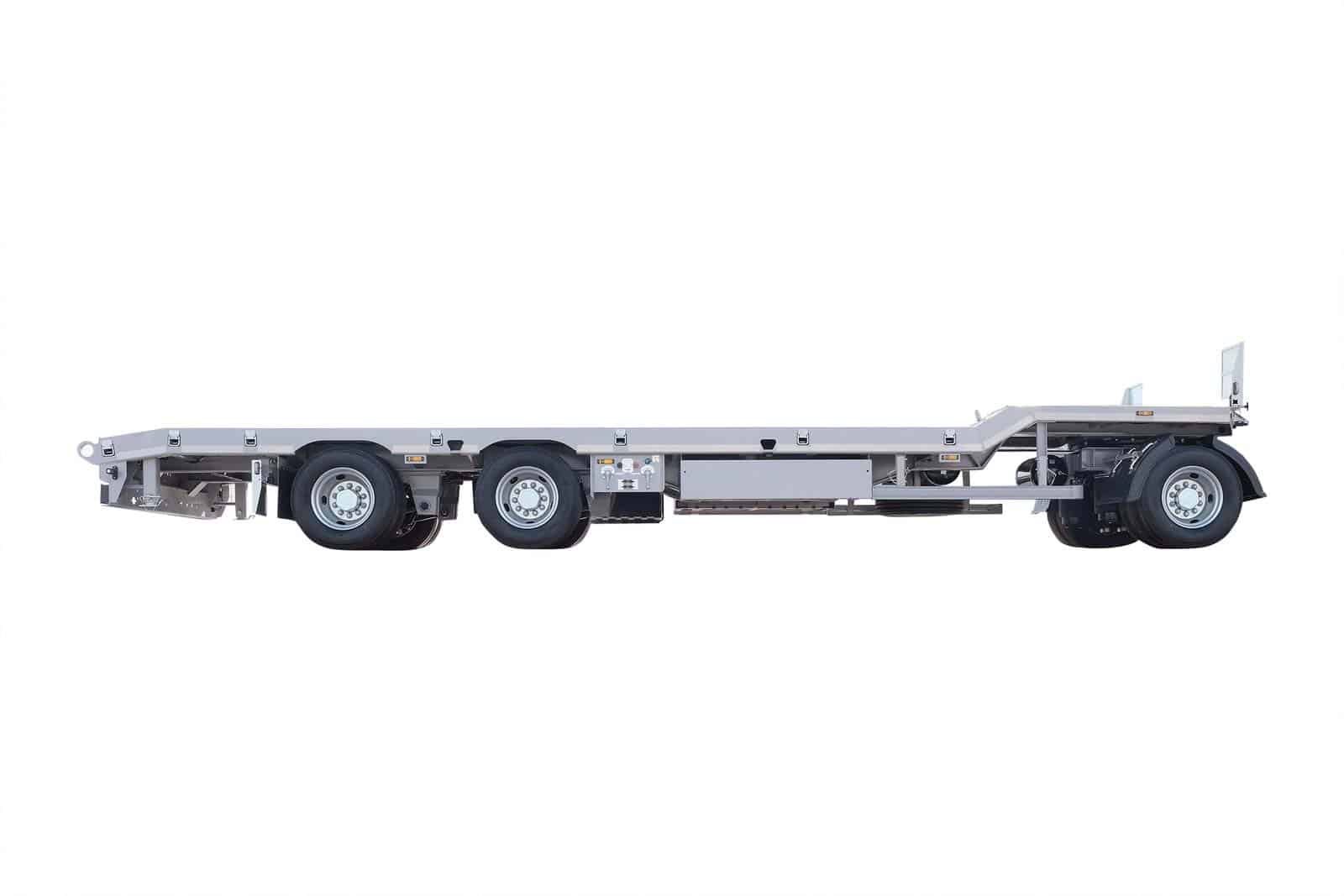
Challanges and opportunities for U.S trailers manufacturing
If you’re wondering if U.S. trailers manufacturing will continue to thrive in the years to come, keep reading. This article will discuss a few of the current challenges facing the industry. Among these are the fragmentation of the industry, the impact of global pandemic, and the increasing demand for U.S.-made trailers. You’ll also learn about how trailers manufacturing can help U.S. businesses grow and stay competitive.
Fragmentation of the industry
As the number of companies in the trailers manufacturers industry continues to rise, the market will experience a fragmentation of business practices. The business landscape will be increasingly fragmented with the emergence of smaller companies specializing in particular roles and a lack of overall market share. This will create a fertile ground for new entrants, who will bring a competitive advantage to the industry. This process is also driven by the increasing costs of labor and materials, which will likely cause larger trailers manufacturers to consolidate and focus on providing components and platforms.
The US economy has remained stable since 2008, with the job market continuing to strengthen and wages and consumer spending rising modestly. This, in turn, has lowered trailer sales. Truck shortages and supply-chain disruptions caused by extreme weather events have slowed demand. The industry’s top 25 trailers manufacturers account for about a third of sales, and Mexican companies have an important presence in the North American market.
Impact of global pandemic on 2020 productions
It’s not too early to start thinking about the impact of the global pandemic on the future of trailers manufacturing. The first wave of the disease closed down parts of Eastern Europe, and trailer demand was expected to fall by nearly 25 percent by 2020. However, that figure has now been revised downwards to a mere 25 percent reduction – and that’s assuming that the second wave of the virus has been contained.
The outbreak of COVID-19 was particularly devastating for the industry, with production and sales virtually halted in many regions. OEMs had to wait until lockdowns were lifted to resume production, which hurt their business. As economies begin to recover, demand for new semi-trailers is expected to rise, but new strains of the virus may slow the recovery in some countries. As a result, semi-trailers manufacturers are going to need to adjust their production volumes based on the situation.
Rise in production since the economic downturn of 2008
The rise in output observed in the past three years has been driven by several factors. These include increased credit services, and the resumption of investment, as well as higher productivity and labor efficiency. This rise in output has come despite persistent losses in output, which have been documented in several countries. Among these factors, weak investment was a major contributing factor. In addition, slower technology adoption and falling productivity have been associated with lower investment.
When looking at the causes of the recession, one must remember that the housing market collapsed in 2008. Private fixed investment, which includes spending on structures, equipment, and software, also decreased. This triggered an economic contraction. This is why it is important to study the economic recovery process and its impact on the supply chain. The current situation has significant implications for this sector. However, the recovery process could be slower than that of 2008.