

Blog

Warehouse Racking Load Capacity: How to Specify a Safe Metal Shelf System

Warehouse Racking Load Capacity: How to Specify a Safe Metal Shelf System

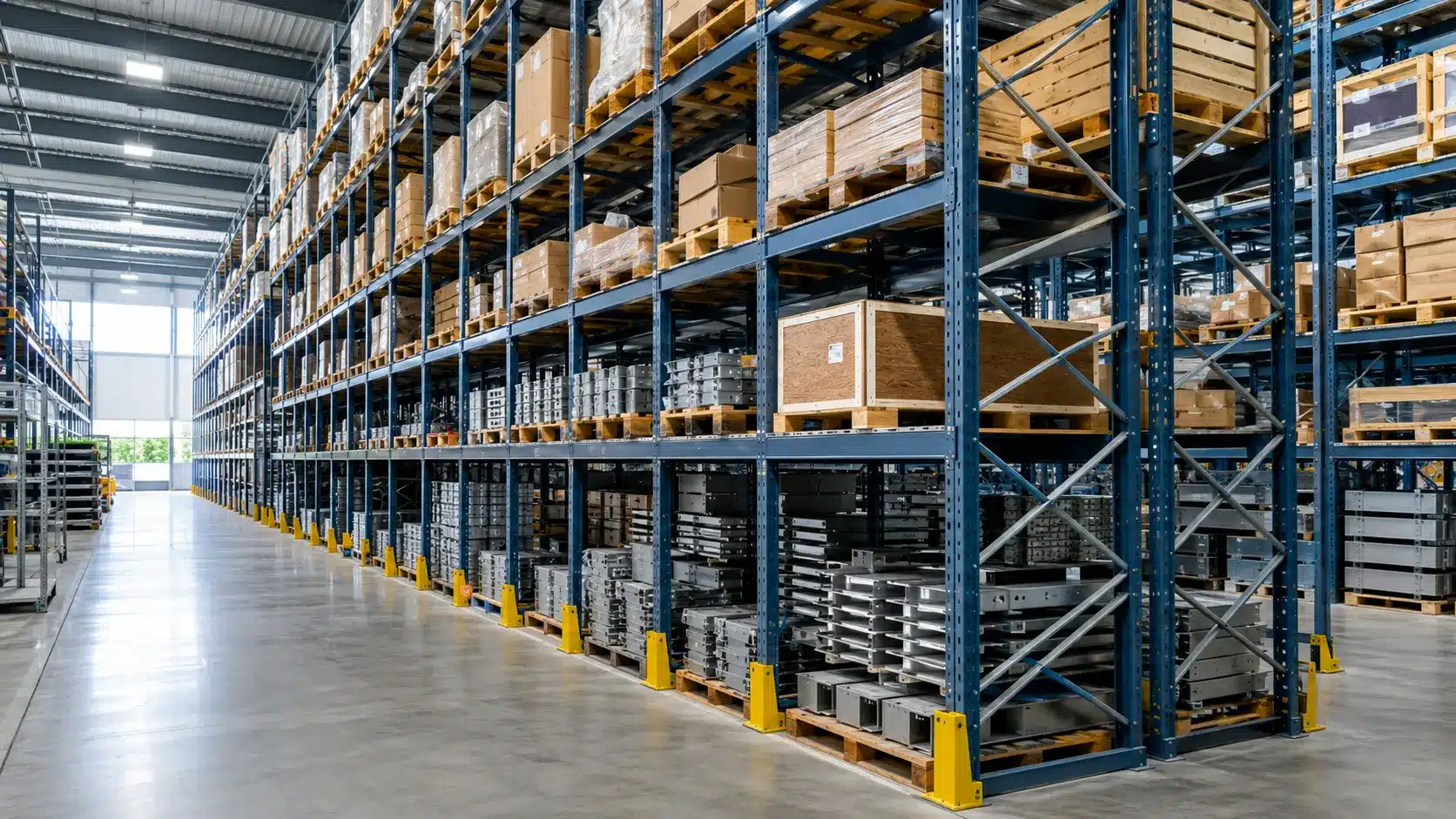
A warehouse rack is not safe because its shelf plate looks thick or because a supplier quotes one impressive capacity figure. Load capacity belongs to a defined system: shelf decks, beams, uprights, bracing, connectors, base plates, anchors and the supporting floor all work together. Change the span, beam elevations, load position or installation conditions and […]
Read More
Custom Fasteners vs Standard Fasteners: Cost, Lead Time and Performance

Custom Fasteners vs Standard Fasteners: Cost, Lead Time and Performance

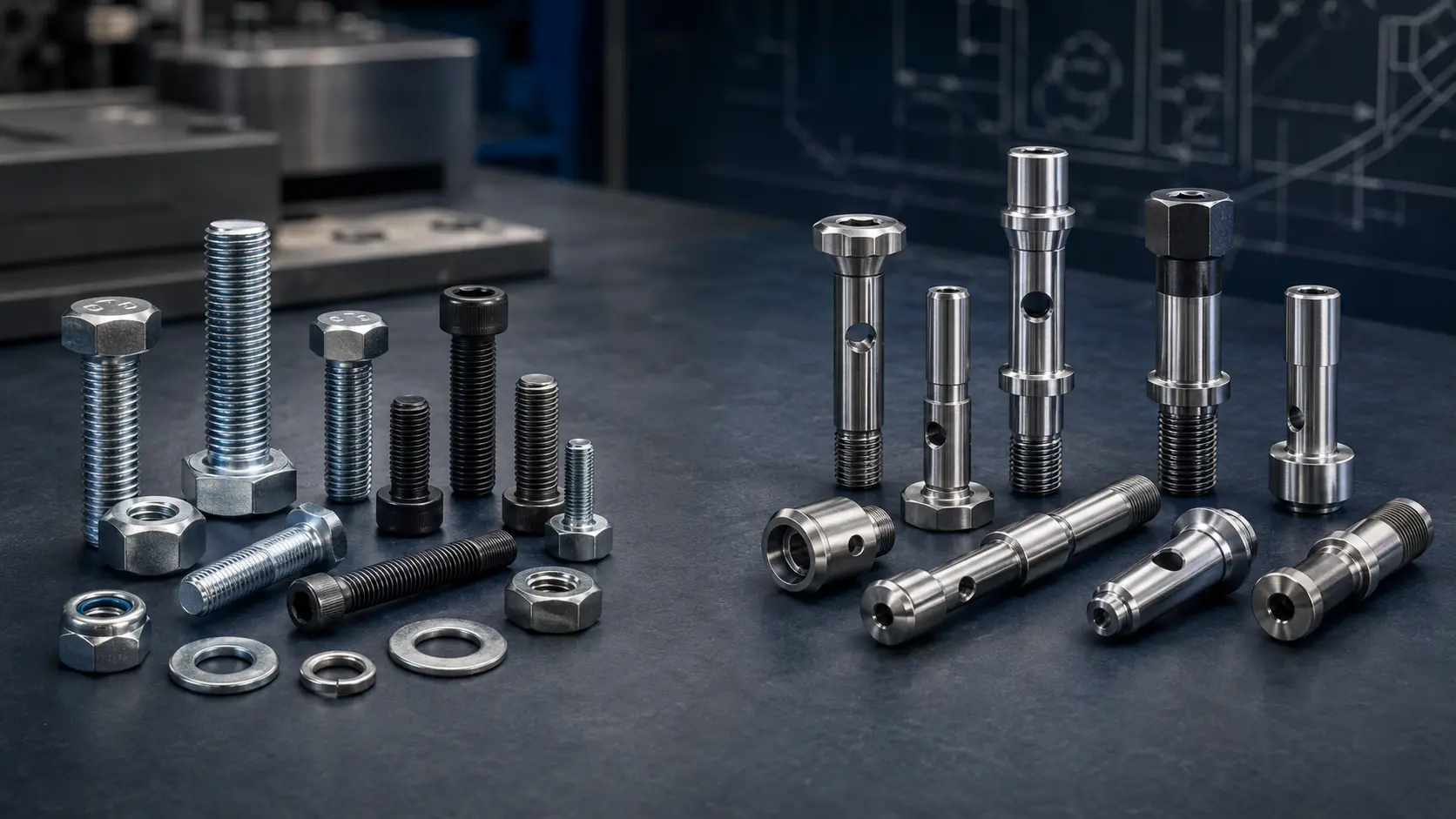
A fastener may be one of the smallest items on a bill of materials, yet it can determine assembly time, service access, structural reliability and production continuity. The sourcing choice is often framed too narrowly: a catalogue bolt appears cheap and immediately available, while a custom part appears expensive and slow. That comparison is incomplete. […]
Read More
Pickling and Passivation of Stainless Steel Weldments: Why Both Processes Matter

Pickling and Passivation of Stainless Steel Weldments: Why Both Processes Matter

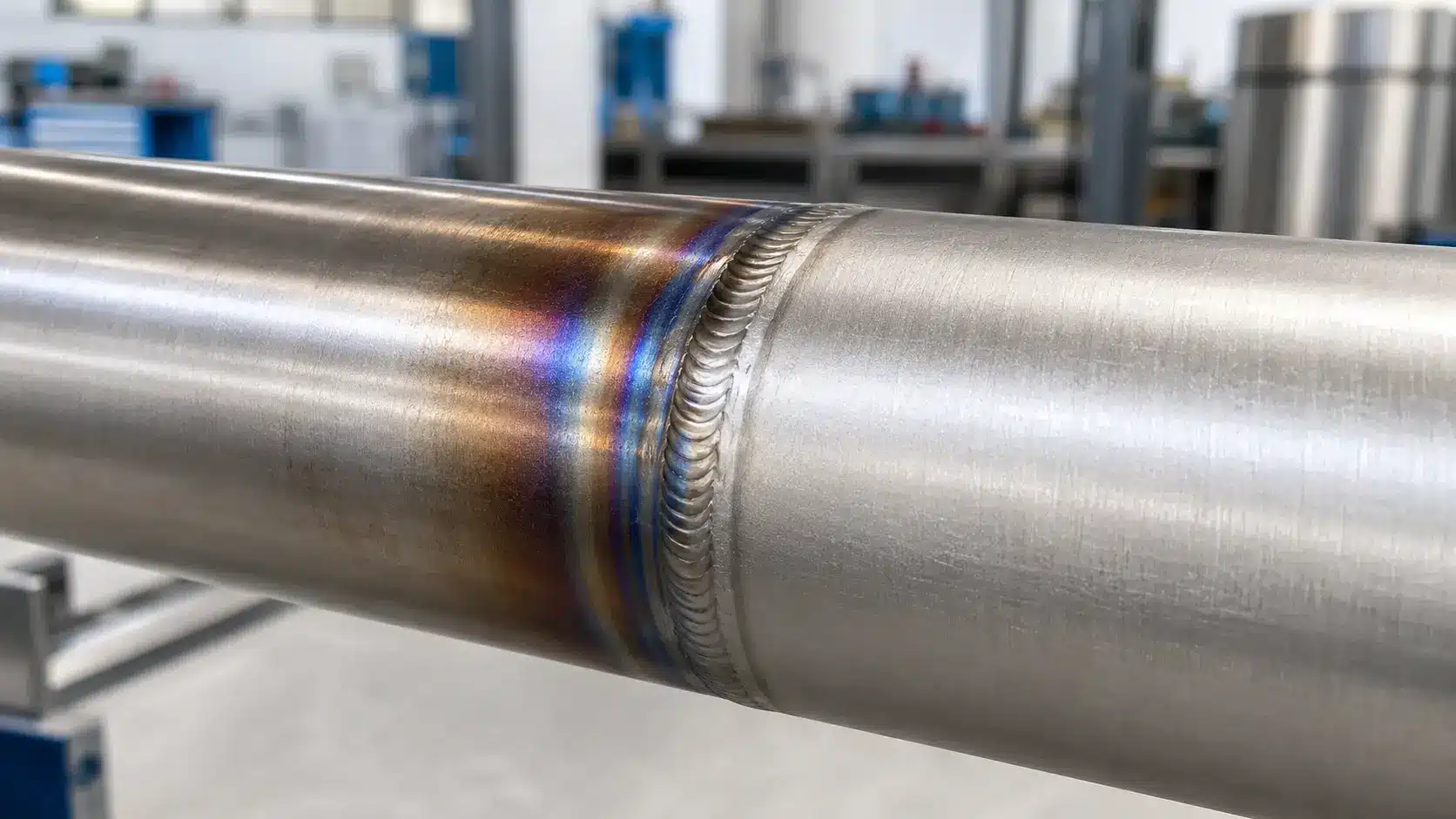
Stainless steel is selected for corrosion resistance, cleanliness and long service life, but welding temporarily changes the surface that delivers those benefits. Heat tint forms beside the weld, high-temperature oxide grows thicker than the normal passive film, and fabrication can introduce carbon-steel particles or other contamination. A sound weld can therefore be mechanically acceptable while […]
Read More
Why Tube Bending Creates Competing Stresses

Why Tube Bending Creates Competing Stresses

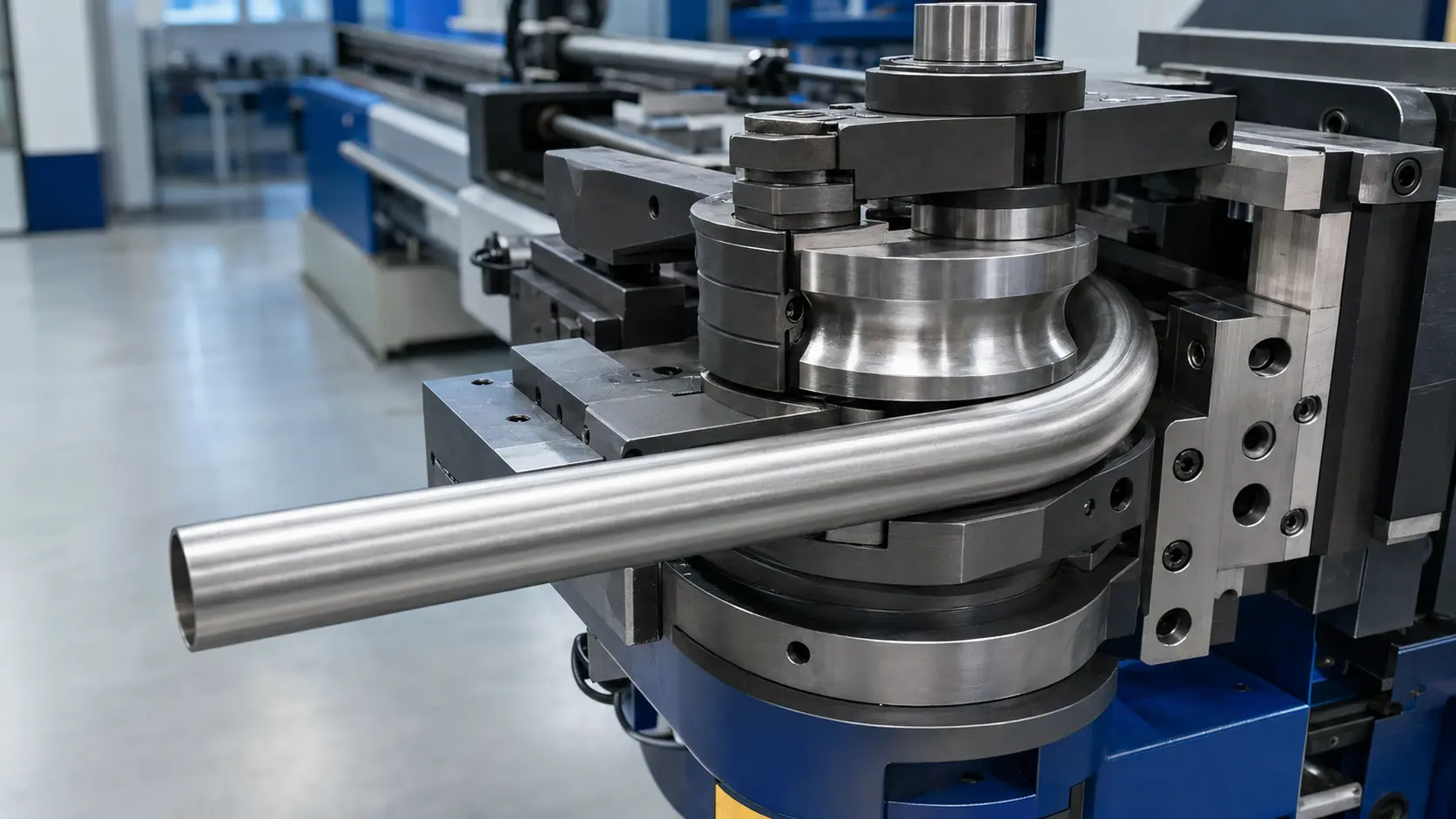
During a bend, the outside of the curve—the extrados—is pulled in tension and tends to lengthen and thin. The inside of the curve—the intrados—is compressed and tends to shorten, which can make the wall buckle into wrinkles. At the same time, radial forces push the circular section toward an oval or flattened shape. The neutral […]
Read More
First Article Inspection for Custom Metal Parts: What Buyers Should Expect

First Article Inspection for Custom Metal Parts: What Buyers Should Expect

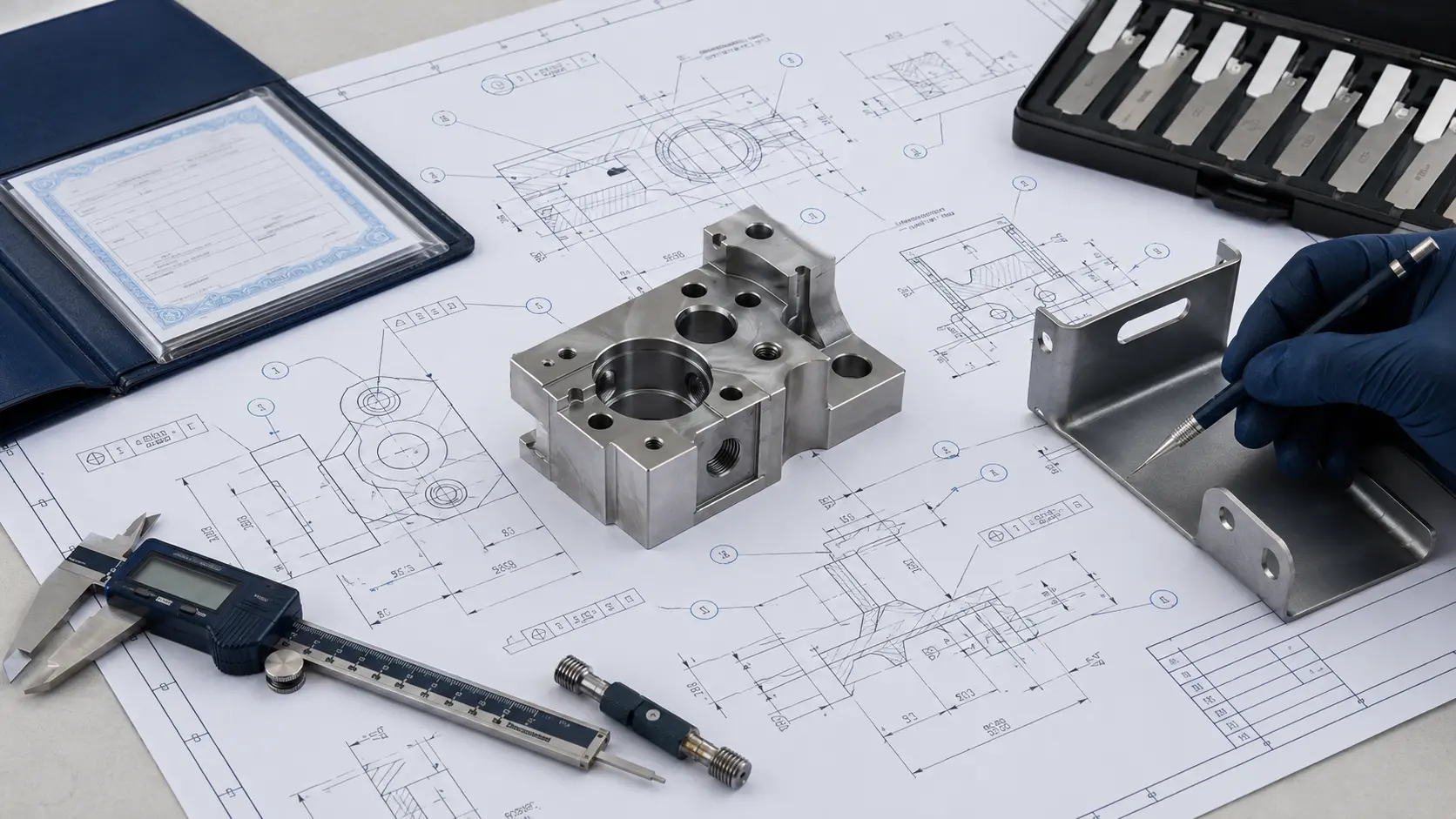
When buyers order custom metal parts, approving a drawing is only the beginning. The first manufactured parts must show that the supplier has understood the material, dimensions, tolerances, finish and process requirements. A First Article Inspection, usually shortened to FAI, provides documented evidence before routine production moves forward. For projects involving custom metal manufacturing, a […]
Read More
Why the Finish Matters in Architectural Projects

Why the Finish Matters in Architectural Projects

Architectural components are judged under changing light and from different distances. A finish that looks uniform on a small sample may reveal weld shadows, panel distortion or color variation on a full-size assembly. High-touch locations expose fingerprints and scratches, while exterior installations add ultraviolet exposure, rain, pollution and salts. Finish selection therefore needs a clear […]
Read More
Machine Frame Design: Stiffness Vibration Control and Weld Distortion

Machine Frame Design: Stiffness Vibration Control and Weld Distortion

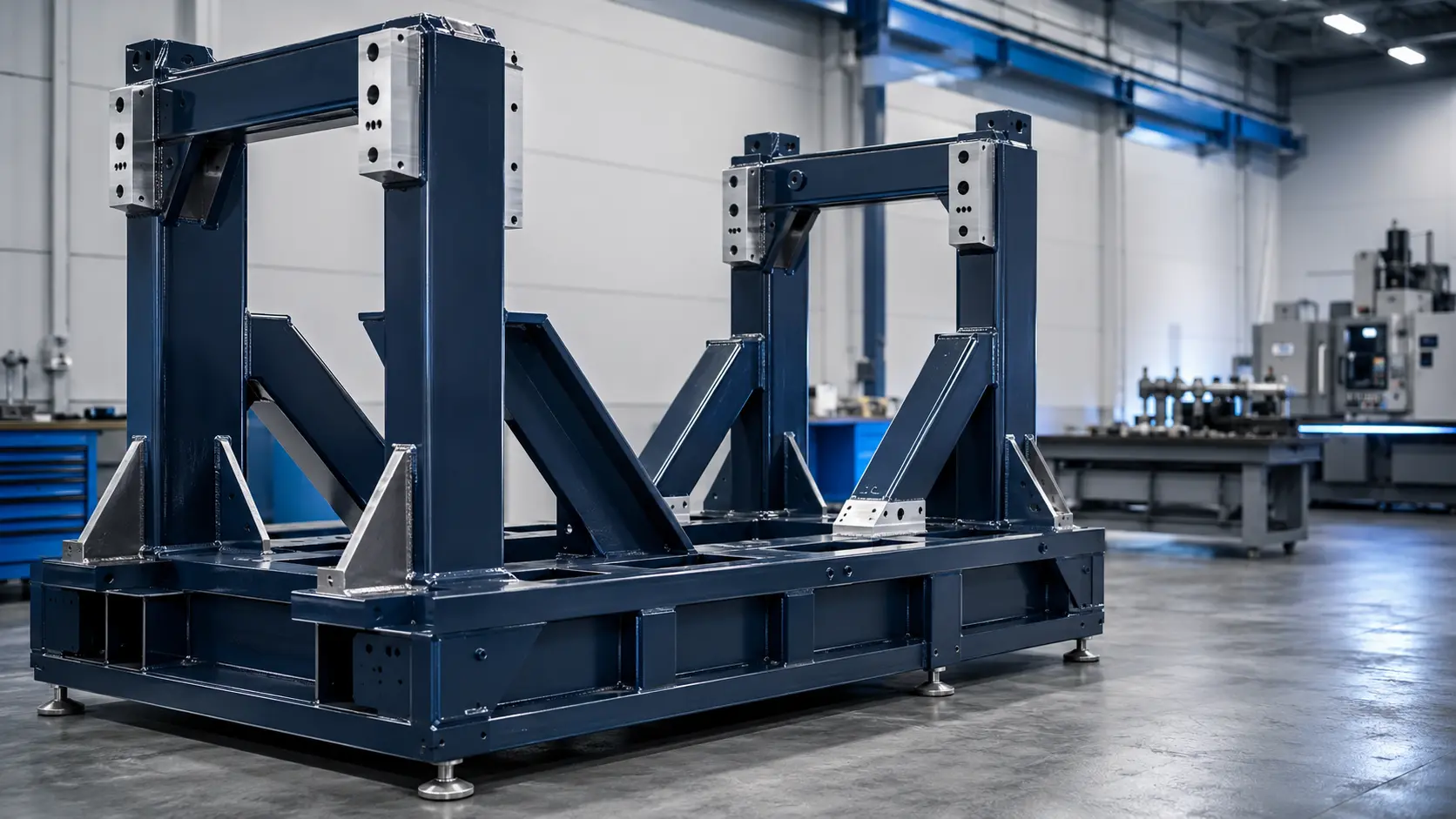
A machine frame does more than carry equipment. It establishes the relative position of motors, bearings, guides, tooling, sensors and workpieces while forces change during operation. If the structure bends, twists or vibrates, the machine may still look strong but lose accuracy, generate noise, wear components unevenly or produce inconsistent parts. Good frame design therefore […]
Read More
Call Now Button