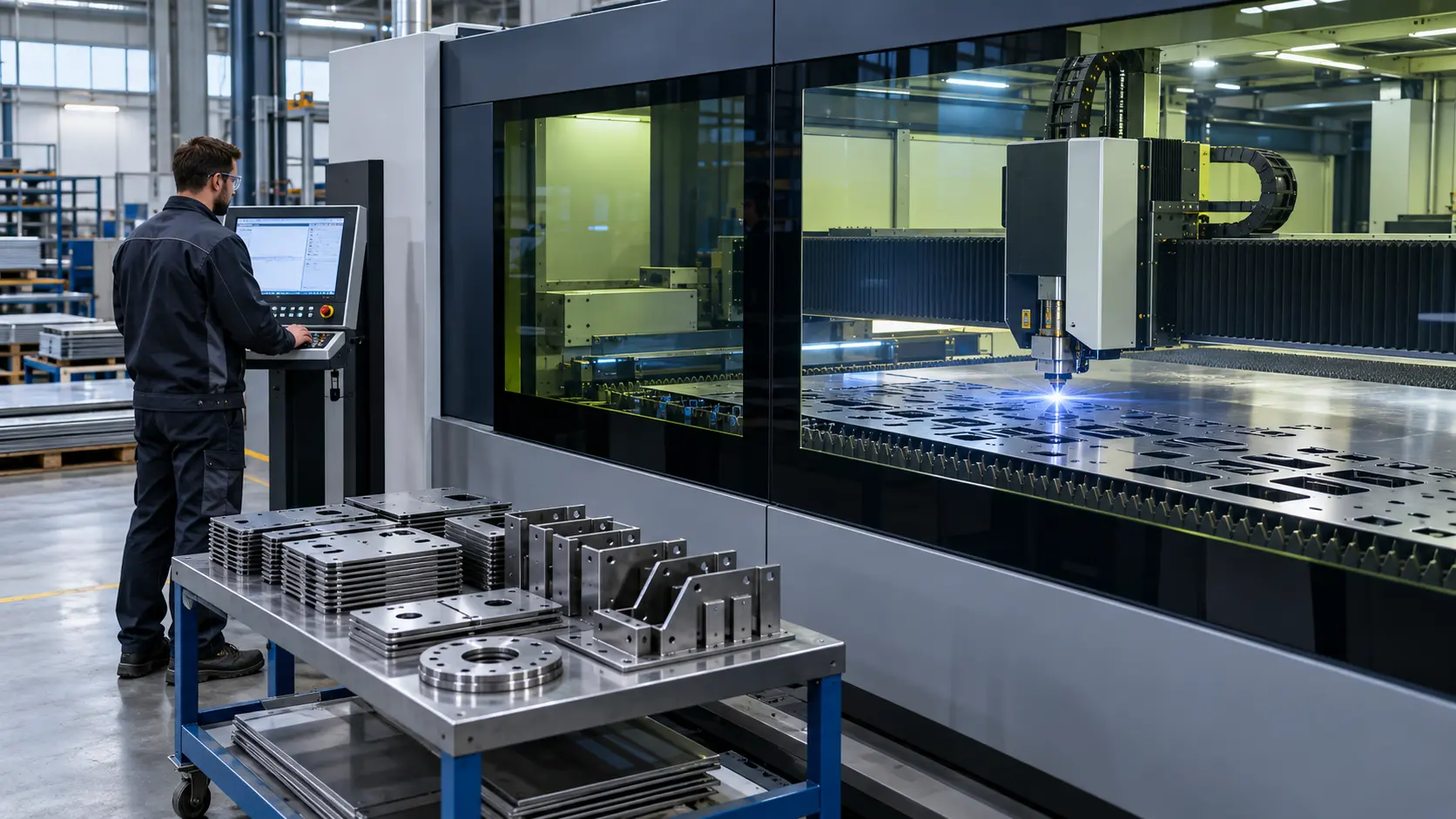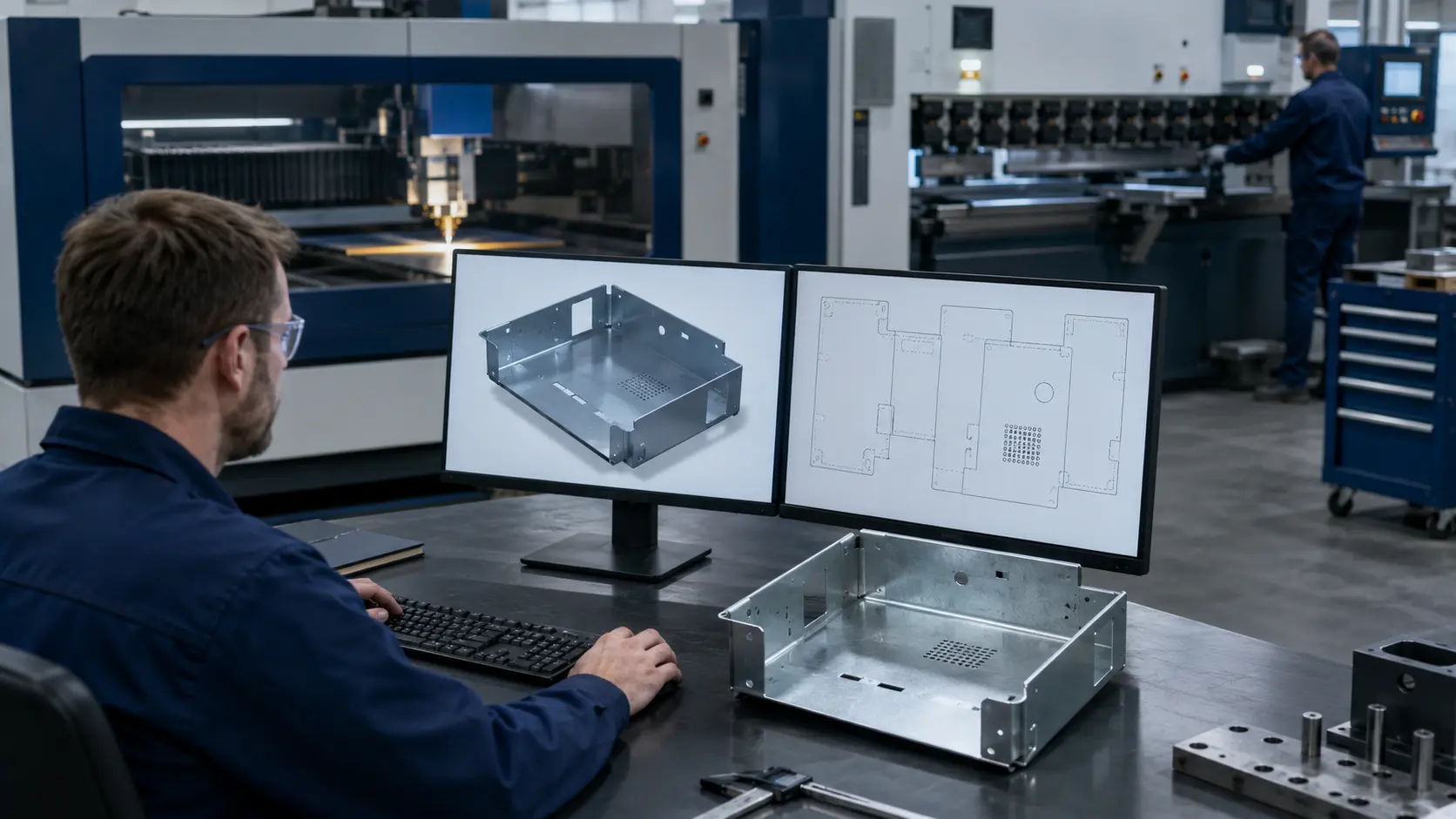

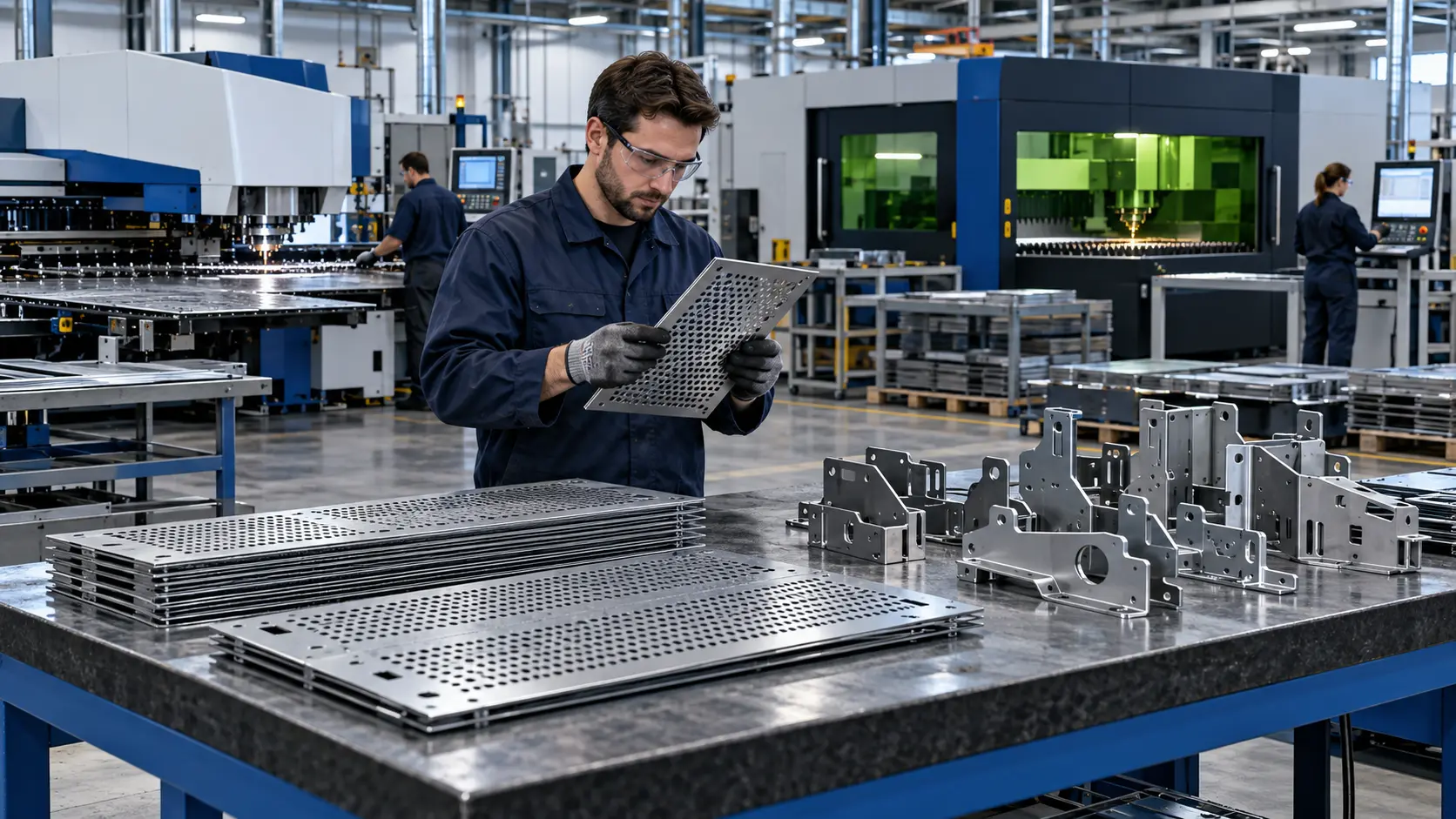
CNC punching and laser cutting are both widely used to manufacture sheet metal components. Although the two processes can produce similar parts, their cost structures are different. CNC punching is often economical for repetitive hole patterns, standard geometries and medium-to-high production volumes. Laser cutting generally provides greater flexibility for complex contours, prototypes and frequently changing […]
Blog
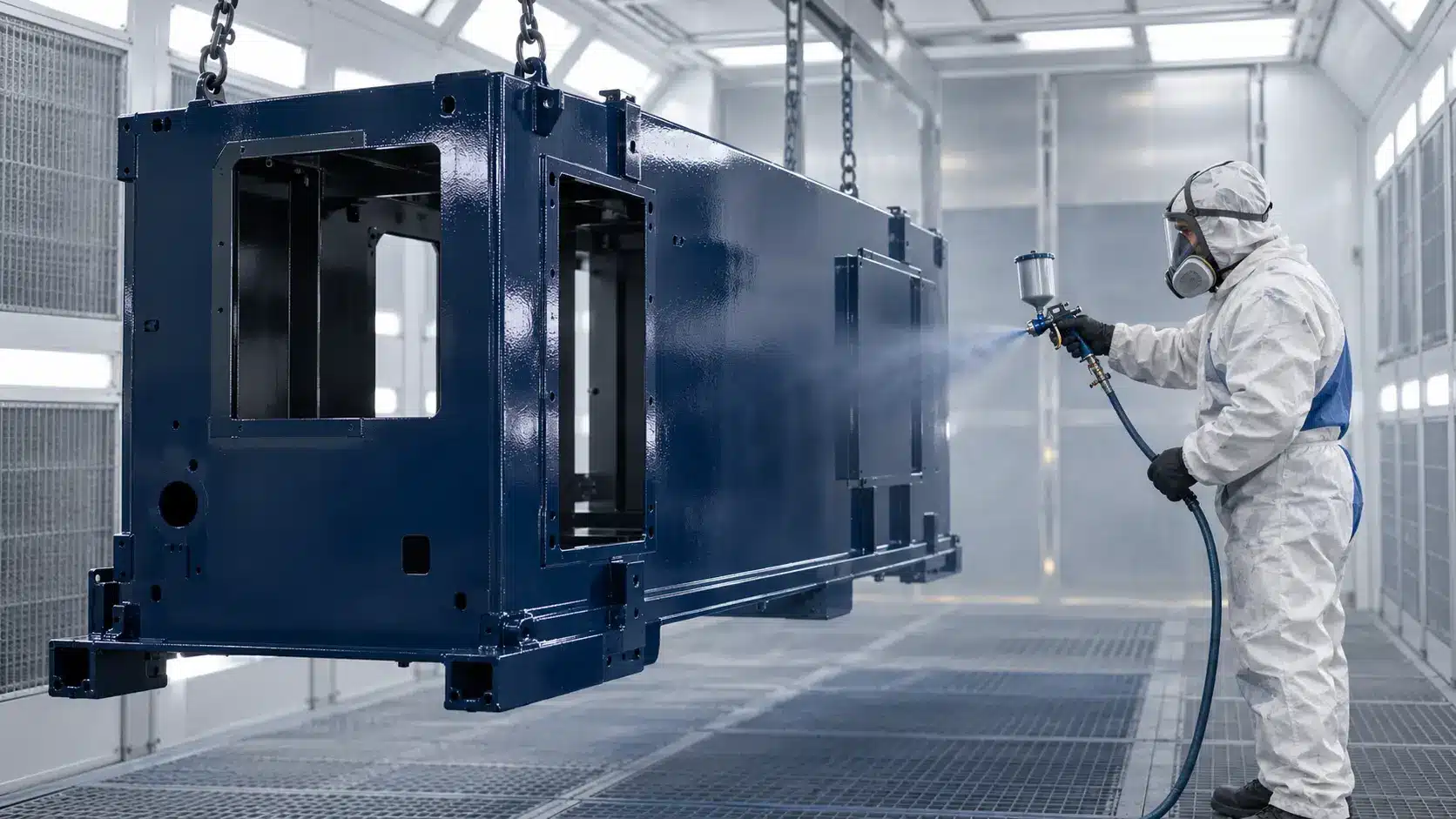
Industrial wet paint specifications should define more than a color. A complete coating system must describe the substrate, surface preparation, primer, intermediate coat if required, topcoat, color, gloss level, dry film thickness and inspection criteria. When these requirements are missing, different suppliers may quote completely different coating systems for the same component. One supplier may […]
Stainless steel, carbon steel and aluminum can all be processed with modern fiber laser systems, but they do not behave the same way under the beam. Each material absorbs and conducts heat differently, forms a different molten layer inside the kerf and reacts differently with nitrogen, oxygen or compressed air. These differences influence cutting speed, […]
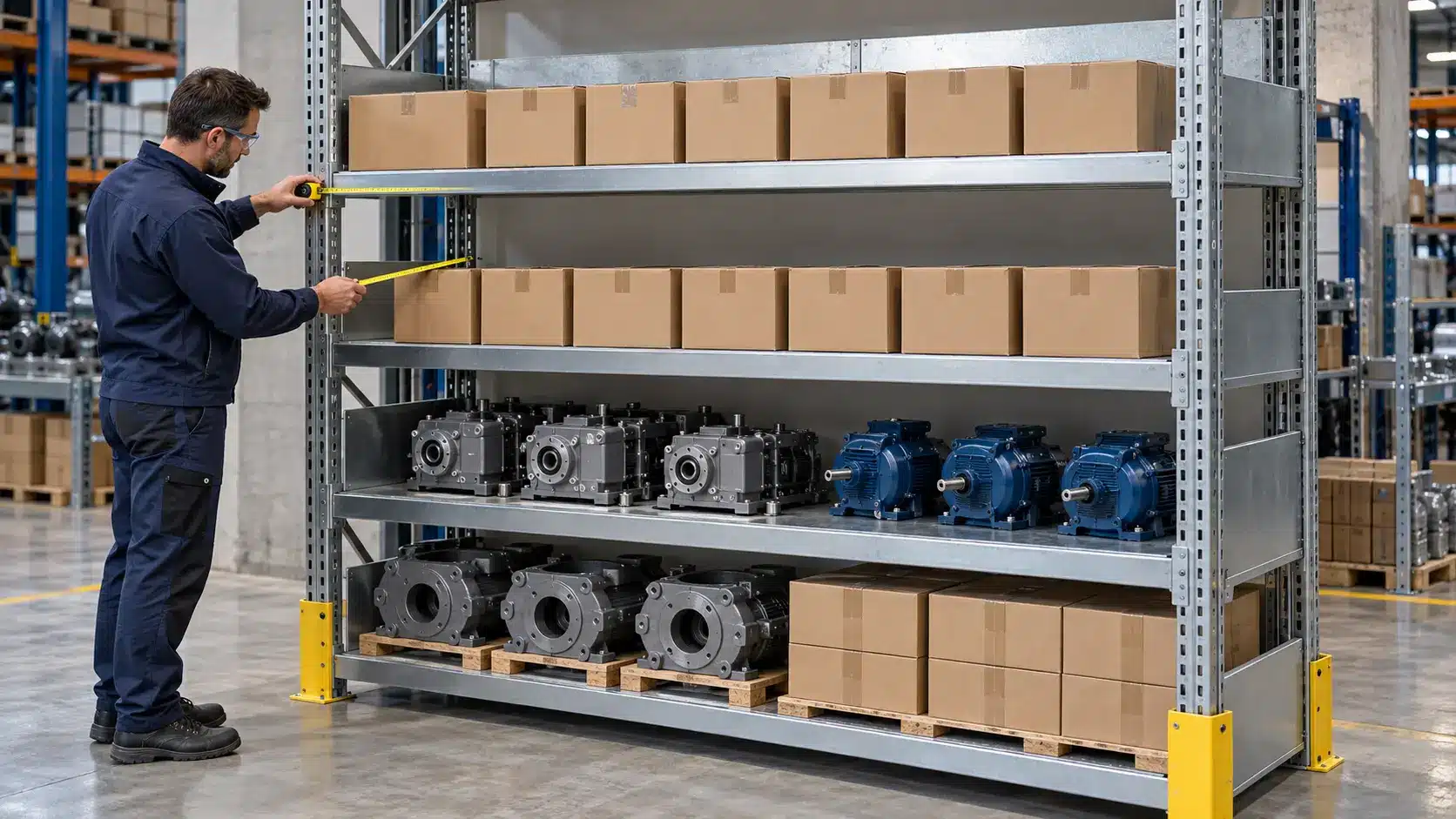
Metal shelving can improve storage density, material flow and workplace organization, but only when the system is selected around the actual application. A shelf used for lightweight cartons in a stockroom has very different requirements from one holding machined components, tools, chemical containers or heavy maintenance equipment. The right decision therefore involves more than choosing […]
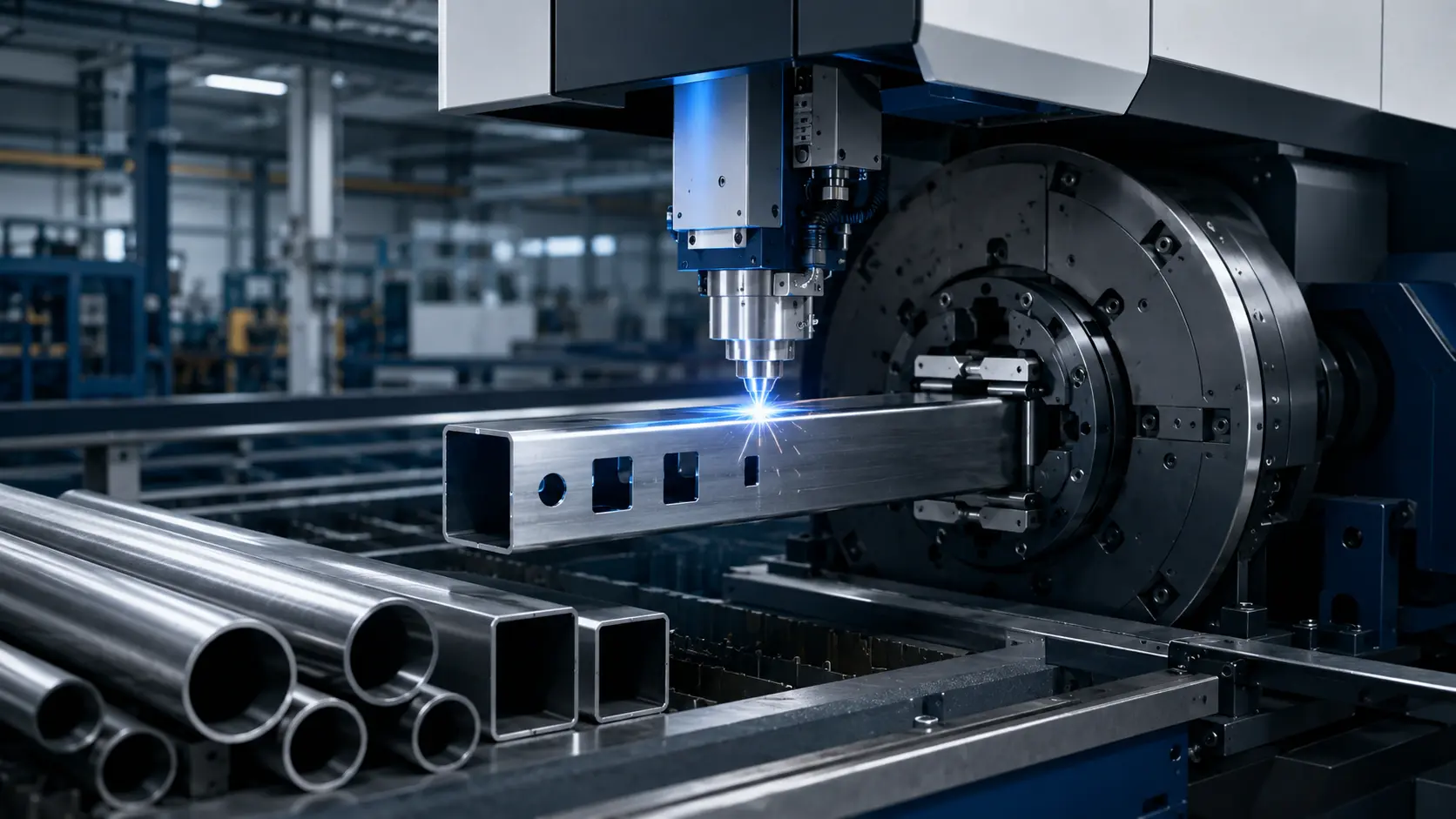
When a metal part begins as tube, pipe or structural profile, the cutting method affects much more than the first operation. It can influence hole position, joint fit-up, welding time, assembly accuracy, labor content and ultimately the delivered cost of the finished component. For simple straight cuts, a saw may be the most economical choice. […]
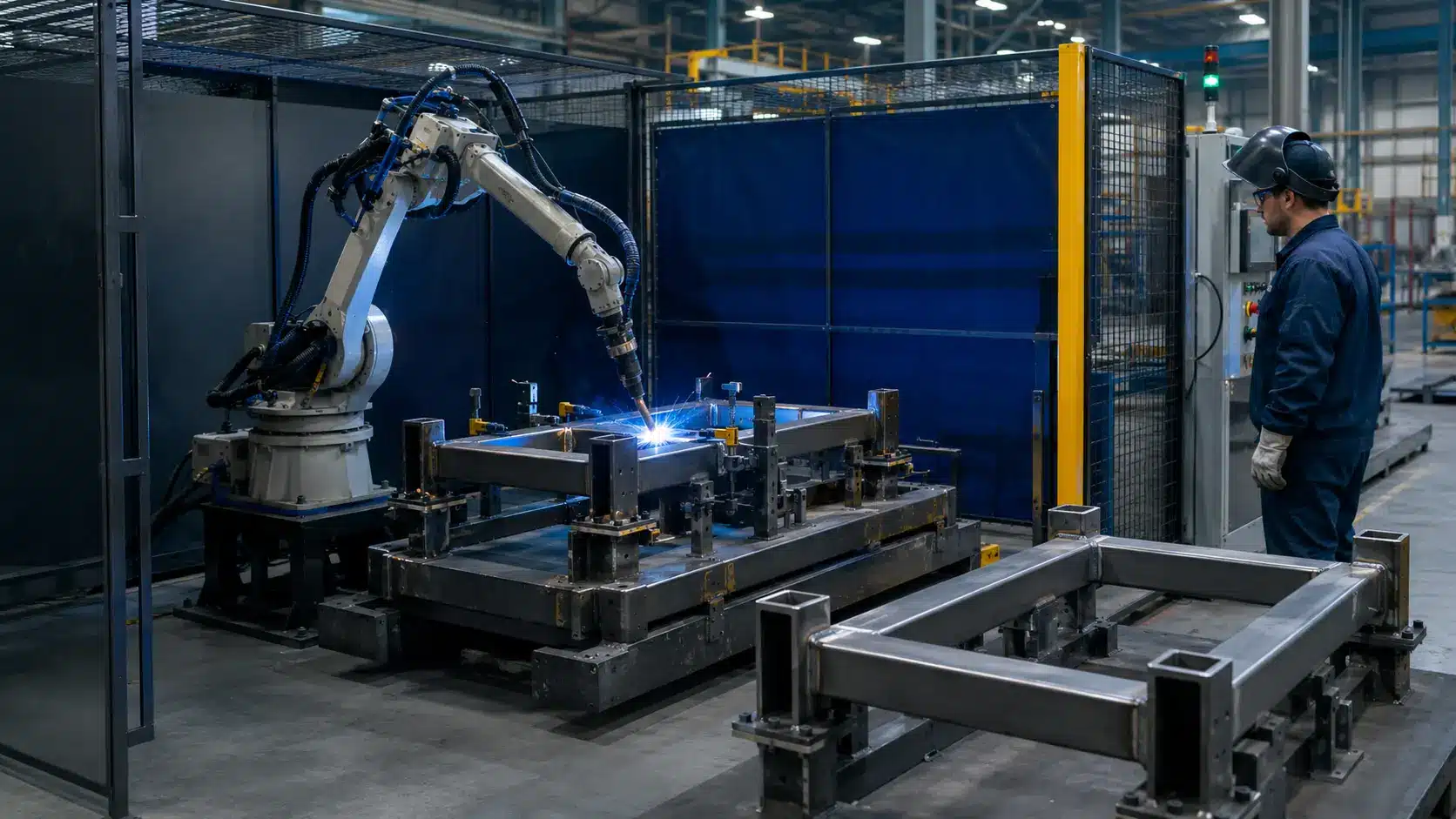
Robotic welding can reduce direct labor per part and improve consistency, but a robot is not automatically the lowest-cost choice. The economic result depends on how often the same weld returns, whether parts locate repeatably, how much fixture and programming work is required, and how much non-welding time remains in the cycle. A well-loaded cell […]
Anodizing and powder coating are two of the most common finishes for aluminum, but they protect and decorate the metal in fundamentally different ways. Anodizing converts the aluminum surface into a controlled oxide layer that remains integral with the substrate. Powder coating applies a separate polymer film that is melted and cured over a prepared […]
A supplier cannot reliably manufacture a custom part from a filename alone. Moving from engineering data to finished metal components requires several files and commercial instructions to agree: the 3D model defines form, the 2D cut file defines flat geometry, the drawing defines acceptance requirements, and the RFQ defines quantity, delivery and documentation scope. When […]
PVD coating and electroplating can both create decorative or functional metallic surfaces, but the processes are not interchangeable. Physical vapor deposition forms an extremely thin film in a vacuum chamber by vaporizing a solid source and condensing it on the component. Electroplating deposits metal from a liquid electrolyte using electrical current. The different routes lead […]
Zinc, nickel and chromium can all create a bright metallic surface, but they solve different engineering problems. Zinc is commonly chosen to protect steel through sacrificial action. Nickel is generally a barrier coating and can provide appearance, hardness, wear resistance or an underlayer. Chromium may be a very thin decorative top layer over nickel or […]