

Blog

Wet Painting vs Powder Coating for Metal Parts: Cost, Finish and Durability

Wet Painting vs Powder Coating for Metal Parts: Cost, Finish and Durability

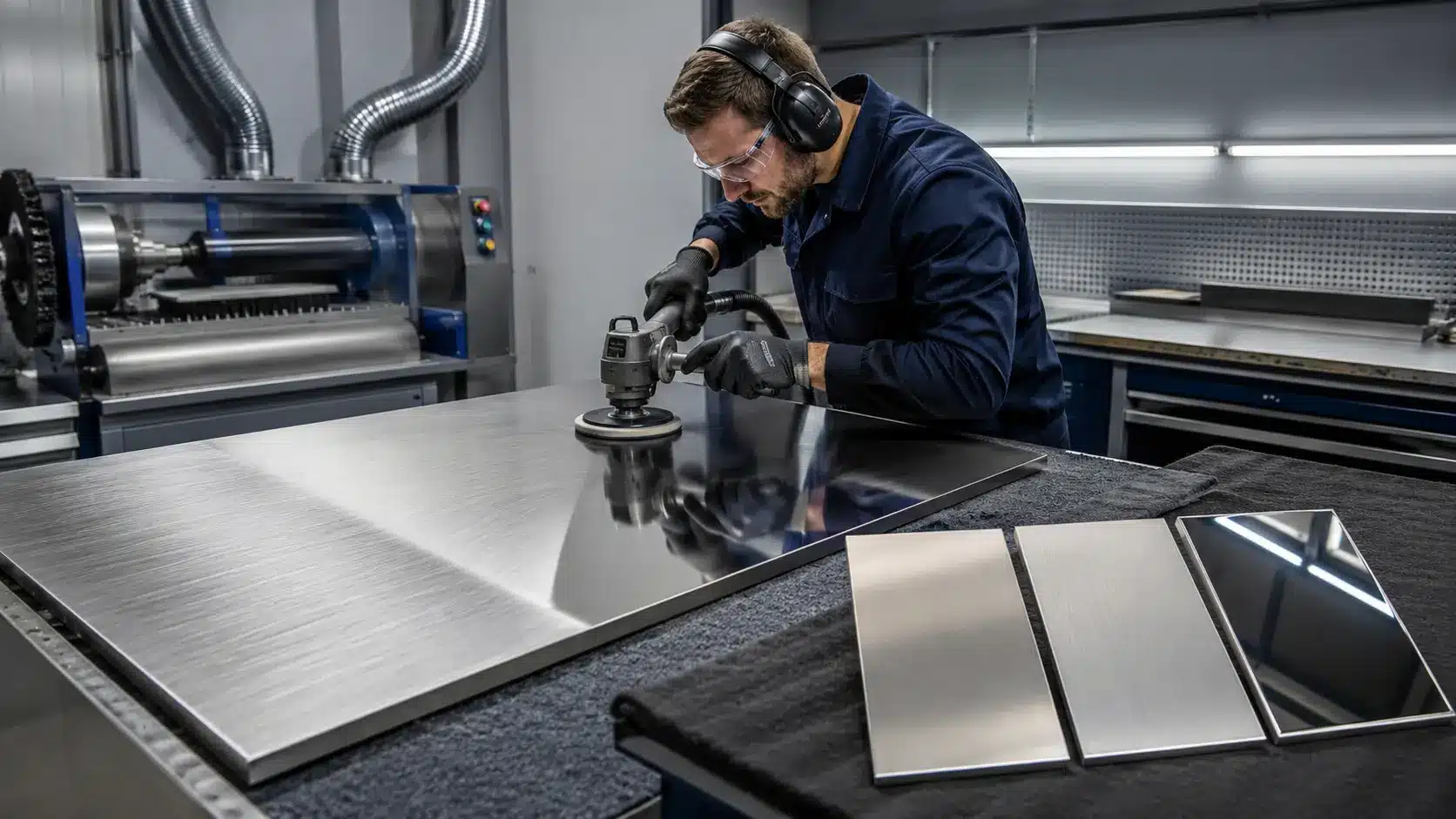
Wet painting and powder coating can both produce attractive, protective finishes on fabricated metal parts. The right choice depends less on which process is “better” in the abstract and more on the substrate, geometry, batch size, color requirements, service environment, masking needs and repair strategy. A finish that performs well on a high-volume steel enclosure […]

Read More
DXF File Preparation Checklist for Laser-Cut Sheet Metal Parts

DXF File Preparation Checklist for Laser-Cut Sheet Metal Parts

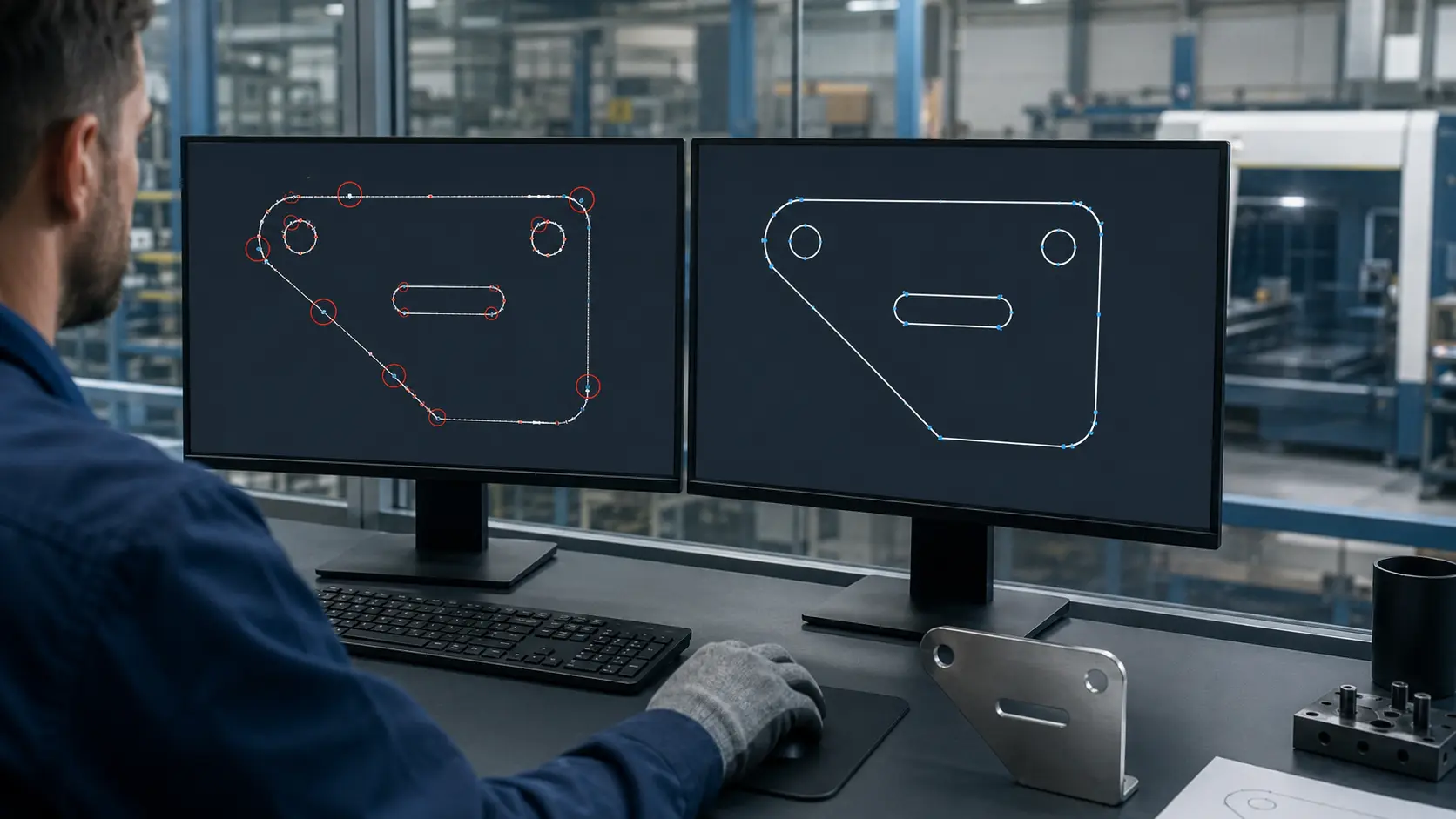
A DXF file can look correct on screen and still create expensive problems when it reaches sheet metal laser cutting. Open contours, duplicate entities, unclear units or an outdated revision can interrupt automated programming, distort a quotation and produce parts that do not match the designer’s intent. Clean geometry helps the fabricator move from review […]
Read More
Nitrogen vs Oxygen vs Compressed Air in Fiber Laser Cutting

Nitrogen vs Oxygen vs Compressed Air in Fiber Laser Cutting

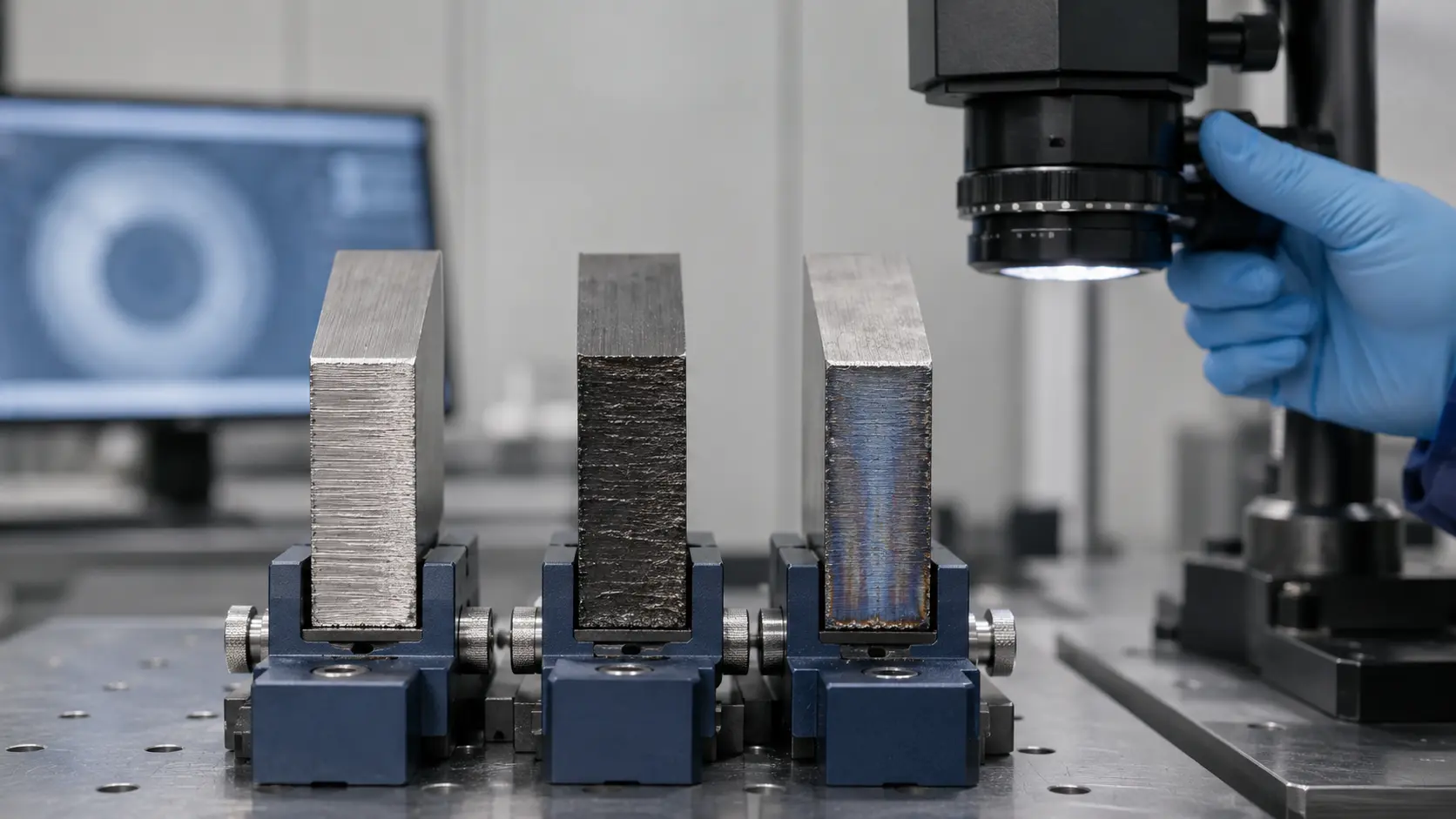
Assist gas is not simply a consumable that blows molten metal out of a kerf. In fiber laser cutting, the gas changes the cutting reaction, edge chemistry, heat input, dross behavior and the amount of downstream work. Two parts cut from the same sheet on the same laser can therefore leave the machine with very […]
Read More
S235 vs S355 Structural Steel: Strength, Weldability and Cost

S235 vs S355 Structural Steel: Strength, Weldability and Cost

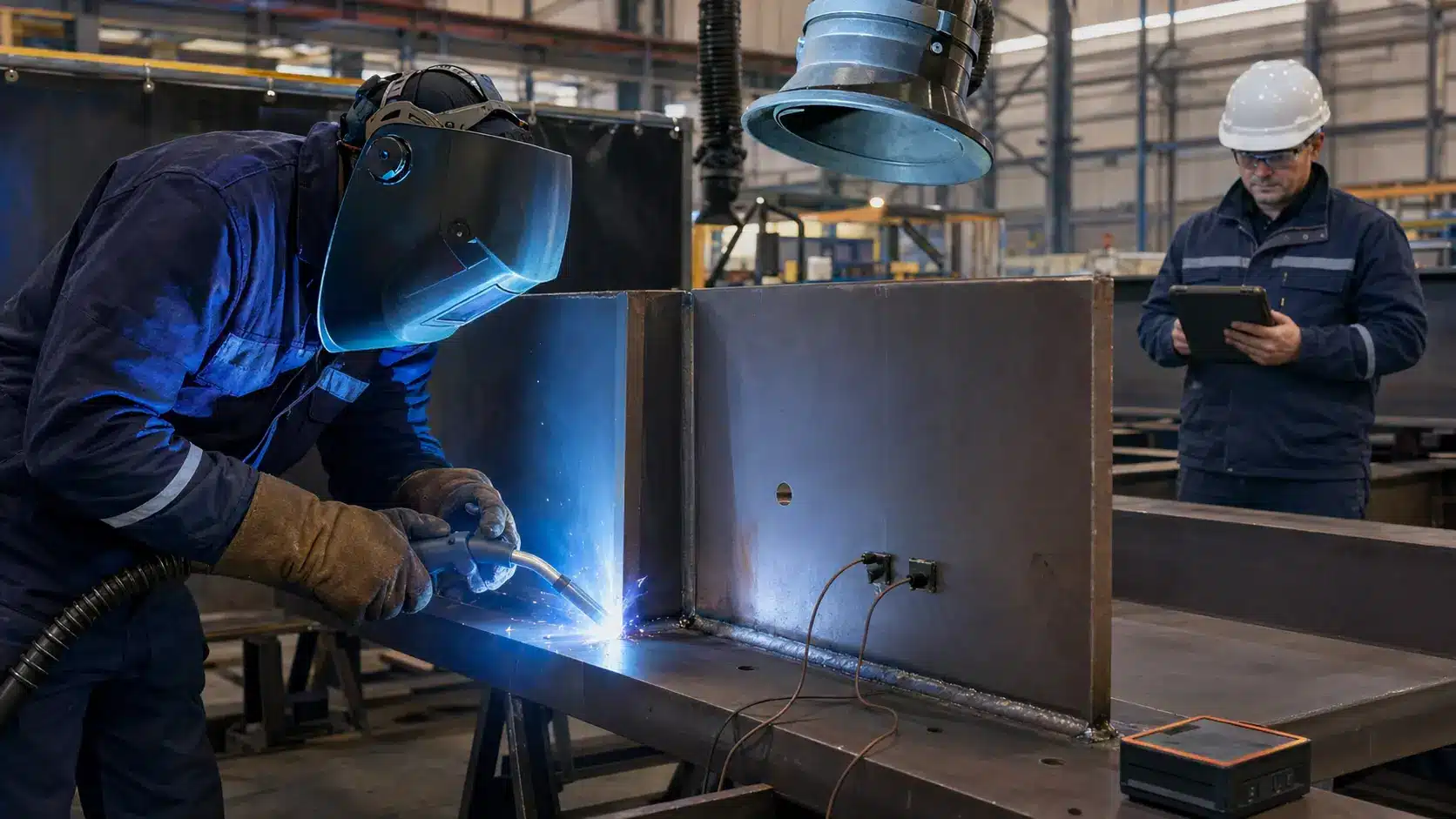
Choosing between S235 and S355 structural steel looks simple when the comparison is reduced to two yield-strength numbers. In practice, the decision changes section size, plate thickness, welding controls, forming loads, material availability, transport weight and inspection documentation. The least expensive grade per tonne is not always the lowest-cost fabricated solution, and the stronger grade […]
Read More
CNC Machining Tolerances: General Tolerances vs Critical Dimensions

CNC Machining Tolerances: General Tolerances vs Critical Dimensions

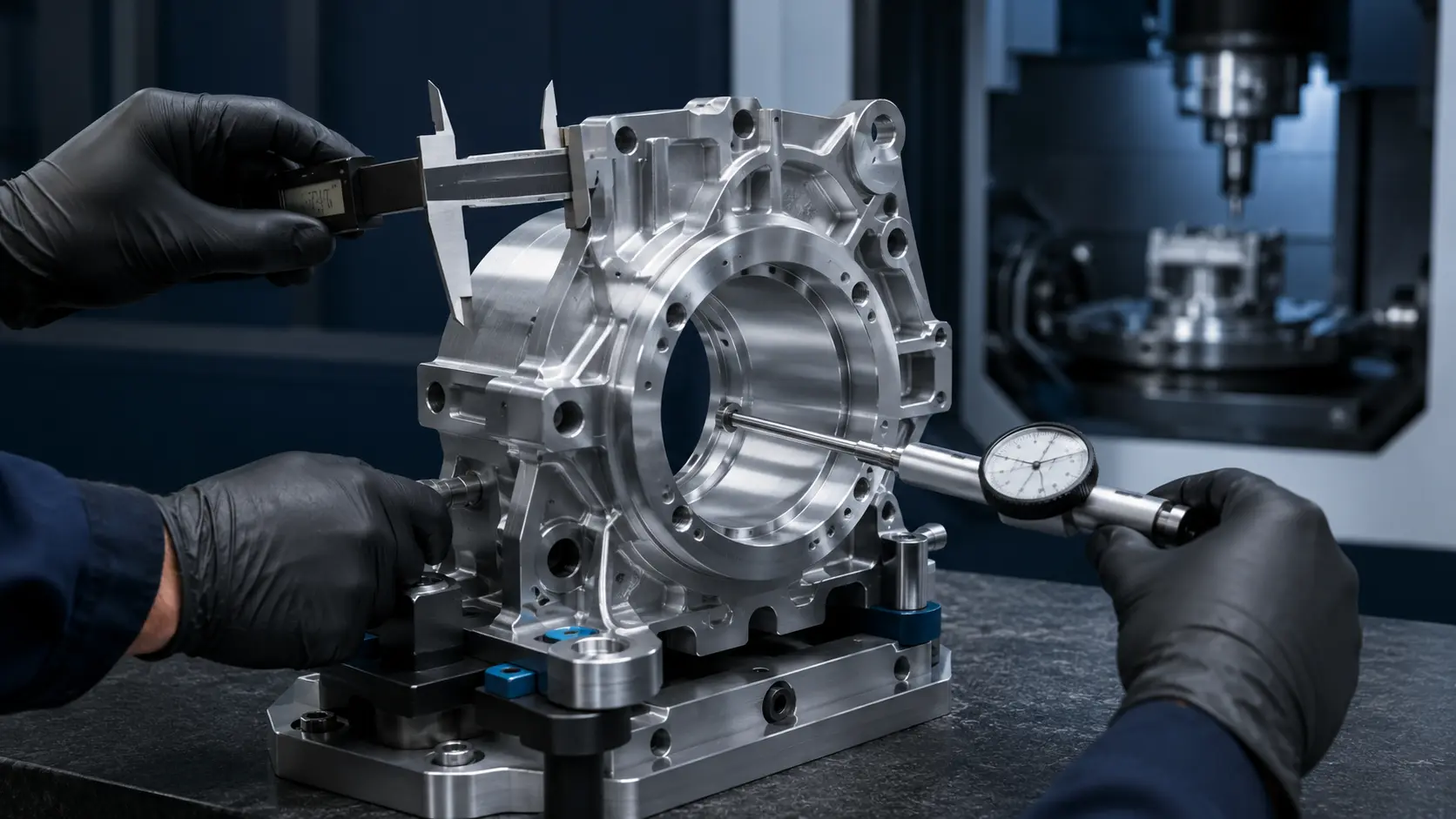
A CNC machine may be capable of extremely small movements, but that does not mean every dimension on a part should receive an extremely tight tolerance. The drawing must separate ordinary dimensions from the features that control fit, function, alignment, sealing, motion or safety. Without that distinction, a supplier may quote unnecessary precision, inspect the […]
Read More
Warehouse Racking Load Capacity: How to Specify a Safe Metal Shelf System

Warehouse Racking Load Capacity: How to Specify a Safe Metal Shelf System

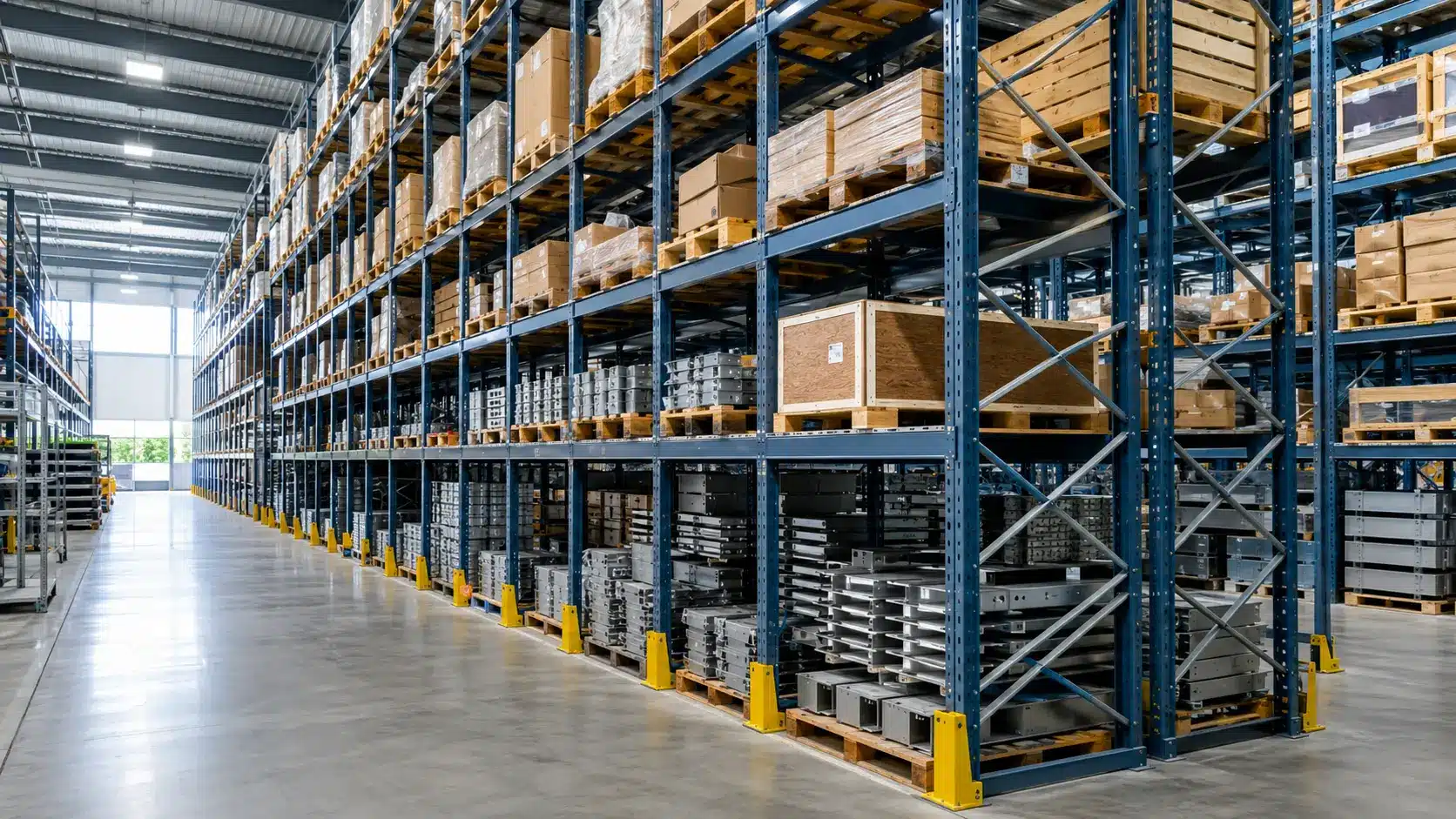
A warehouse rack is not safe because its shelf plate looks thick or because a supplier quotes one impressive capacity figure. Load capacity belongs to a defined system: shelf decks, beams, uprights, bracing, connectors, base plates, anchors and the supporting floor all work together. Change the span, beam elevations, load position or installation conditions and […]
Read More
Call Now Button