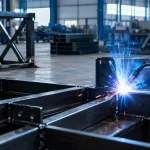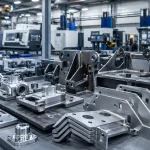


Sheet metal laser cutting is one of the most widely used methods in modern metal fabrication. It offers high precision, clean cutting edges and strong flexibility for producing custom metal parts in different shapes, sizes and materials. From simple brackets to complex industrial components, laser cutting can help buyers achieve accurate and repeatable results when the project is prepared correctly.
However, ordering laser-cut sheet metal parts is not only about sending a drawing and waiting for production. Material selection, thickness, tolerances, kerf, hole positions, surface finish and production quantity all affect the final result. Buyers who understand these details can reduce mistakes, avoid unnecessary costs and receive parts that are more suitable for their final application.
For custom projects, sheet metal laser cutting is often the first step in a larger manufacturing process. After cutting, the part may also require bending, welding, machining, coating or assembly. That is why the cutting stage should be planned together with the full production process, not as a separate operation.
What Is Sheet Metal Laser Cutting?
Sheet metal laser cutting is a process where a focused laser beam is used to cut metal sheets into the required shape. The laser beam generates intense heat on a small area of the material, allowing the machine to cut precise profiles, holes, slots and custom geometries.
This process is commonly used for steel, stainless steel, aluminum, galvanized sheet metal and other metal materials. It is especially useful when a project requires repeatable accuracy, clean edges and complex shapes that would be difficult or inefficient to produce with traditional cutting methods.
Laser cutting is suitable for many industries, including machinery, automotive, construction, retail equipment, industrial storage systems, electrical enclosures and custom metal fabrication. You can explore related production capabilities through the Sheet Metal Laser Cutting service page.
Why Buyers Choose Laser Cutting
Laser cutting is preferred because it combines speed, accuracy and flexibility. For many custom metal projects, it allows buyers to produce parts directly from digital drawings without needing expensive tooling for every new design.
The process is also suitable for both prototype and production orders. A buyer can start with a small batch to test a design, then move to larger quantities once the part is approved. This makes laser cutting useful for companies that need flexibility during product development or custom manufacturing.
Another advantage is design freedom. Laser cutting can produce detailed contours, internal cutouts, decorative patterns and precise holes. When the design is prepared correctly, it can reduce secondary operations and help create a more efficient production workflow.
Materials and Thickness: What Should Be Decided First?
Before ordering laser-cut parts, the material should be selected according to the product’s function and working environment. A part used indoors for light-duty assembly will not have the same material requirements as a component used outdoors, in a humid environment or under mechanical load.
Mild steel is often preferred for strong and cost-effective industrial parts. Stainless steel is a better option when corrosion resistance, hygiene or a clean appearance is required. Aluminum is useful when the part needs to be lightweight, while galvanized sheet metal can provide additional protection against corrosion.
Thickness is just as important as material type. Thicker sheets may provide more strength, but they can also increase cutting time, weight and cost. Thin sheets may be easier and faster to cut, but they may not provide enough rigidity for the final application. The right choice depends on how the part will be used, how it will be assembled and whether it will require bending or welding after cutting.
Tolerances and Accuracy
Laser cutting is known for high precision, but every manufacturing process has tolerance limits. Tolerance refers to the acceptable variation between the technical drawing and the finished part. In sheet metal laser cutting, tolerance can be affected by material thickness, part size, machine setup, heat, geometry and the complexity of the design.
For most general sheet metal applications, laser cutting provides enough accuracy for brackets, panels, covers, enclosures and industrial components. However, if the part must fit into a precise assembly or connect with other components, tolerance expectations should be clearly stated before production begins.
Very tight tolerances may require additional processes such as CNC machining, drilling or finishing after laser cutting. This is especially important for holes, slots, locating features and mating surfaces.

Understanding Kerf in Laser Cutting
Kerf is the width of material removed by the laser beam during cutting. Even though the laser beam is very precise, it still removes a small amount of material from the cut line. This detail is important when parts need to fit together accurately.
For many standard projects, cutting software can compensate for kerf automatically. However, for parts with tight fits, interlocking tabs, slots or assembly features, kerf should be considered during the design stage.
If kerf is ignored, holes may become slightly different than expected, tabs may fit too loosely or parts may require additional adjustment during assembly. This is a small detail, ama üretimde küçük detaylar bazen koca projeyi “bir tık kaydırır” diyelim.
Laser Cutting vs Other Sheet Metal Cutting Methods
Laser cutting is not the only method for cutting sheet metal. Depending on the project, punching, guillotine cutting or waterjet cutting may also be considered. The right method depends on part geometry, quantity, material, thickness and budget.
Method | Best For | Main Advantage | Possible Limitation |
Laser Cutting | Custom shapes, complex profiles, precise parts | High accuracy and design flexibility | Cutting time may increase with very complex geometries |
Punching | Repeated holes and high-volume sheet parts | Fast for repeated patterns | Tooling may be required |
Guillotine Cutting | Straight cuts and simple sheet preparation | Fast and cost-effective for simple cuts | Not suitable for complex shapes |
Waterjet Cutting | Heat-sensitive materials and thick materials | No heat-affected zone | Usually slower than laser cutting |
For most custom sheet metal fabrication projects, laser cutting offers a strong balance between precision, flexibility and production efficiency. If the part has many repeated holes or simple straight cuts, another method may also be evaluated depending on quantity and cost.
Design Details Buyers Should Check
A good laser-cut part starts with a good design file. Even a high-quality machine cannot fully compensate for unclear drawings, missing dimensions or unrealistic design details.
Before sending a design for production, buyers should check whether the drawing includes material type, thickness, quantity, tolerances and surface finish expectations. Hole sizes, slot widths, edge distances and bend requirements should also be reviewed if the part will be formed after cutting.
A few design points are especially important:
- Avoid placing holes too close to edges or bend lines.
- Keep very thin bridges or narrow features realistic for the material thickness.
- Use clear 2D cutting files when possible.
- Define critical dimensions and tolerances clearly.
- Mention if the part will later be bent, welded, coated or assembled.
These details help reduce production questions and make the quotation process faster.
Surface Finish After Laser Cutting
Laser cutting creates the shape of the part, but the final product may need additional surface finishing. Depending on the application, the part may require deburring, brushing, polishing, powder coating, wet painting, galvanizing or another coating method.
For visible parts, edge quality and surface appearance become more important. For industrial components, durability and corrosion resistance may be the priority. If the part will be used outdoors, coating should be discussed early because it can affect both lead time and cost.
Surface finishing should not be treated as an afterthought. The required finish can influence material selection, production planning and packaging. You can review related finishing options through the Coating Service page.

Cost Factors in Sheet Metal Laser Cutting
The cost of laser cutting depends on more than the size of the part. Material type, sheet thickness, cutting length, number of internal features, production quantity and finishing requirements all affect the final price.
A part with many holes, slots and detailed contours will usually take longer to cut than a simple rectangular profile. Thicker material may also require slower cutting speeds. If the project includes bending, welding or coating after cutting, those processes should be included in the full cost evaluation.
To receive a more accurate quotation, buyers should provide complete technical drawings, material specifications, quantities and finish requirements. Clear information at the beginning helps prevent price changes and production delays later.
What to Send Before Requesting a Quote
A laser cutting supplier can prepare a better quotation when the project information is complete. Buyers do not need to overcomplicate this stage, but they should provide enough technical detail for accurate evaluation.
Ideally, the request should include 2D or 3D drawings, material type, sheet thickness, quantity, tolerance expectations and surface finish requirements. If the part is part of a larger assembly, it is also useful to explain how it will be used.
For projects that include multiple production stages, buyers can also share whether the part will require bending, welding, machining or coating after cutting. This helps the manufacturer evaluate the project as a complete production process rather than only a cutting job.
Common Mistakes to Avoid
One common mistake is sending incomplete drawings. Missing material thickness, unclear dimensions or undefined tolerances can slow down the quotation and production process.
Another mistake is choosing material only by price. A cheaper material may reduce the first cost, but it may not perform well in the final environment. For example, a part exposed to moisture may need stainless steel, galvanized sheet metal or a suitable coating.
Buyers should also avoid ignoring finishing and packaging requirements. A laser-cut part may leave production correctly, but if it is coated, polished or visible to the end user, it must be handled and packaged properly to prevent scratches or surface damage.
Conclusion
Sheet metal laser cutting is a powerful production method for custom metal parts. It offers accuracy, flexibility and clean cutting quality, but the final result depends on proper planning before production begins.
Buyers should think about material selection, thickness, tolerances, kerf, design details, surface finish and lead time before placing an order. When these details are clear, the production process becomes smoother and the final product is more likely to meet expectations.
For projects that require laser cutting together with bending, welding, machining or coating, it is best to evaluate the full manufacturing process from the beginning. This approach helps reduce errors, control cost and create better custom metal products.