

What are the Types of Electrical Panels?
Electrical switchboards are considered the heart of electrical systems. They are used to control, distribute and protect electric current.
Electrical panels are used in all kinds of structures from homes to factories, offices to shopping centers.
Electrical panels vary according to different applications and requirements. In this article, we will discuss the most common types of electrical panels and their features.
1. Main Distribution Boards (MDB)
Main distribution boards are the switchboards that supply the entire electrical system of a building or facility. They are usually large and complex and contain a large number of switches, fuses and other electrical components. MDBs are used to distribute electric current to different zones and circuits and to protect the system in case of overload or short circuit.
MDBs are usually located on the ground floor or basement of the building. They can be of different sizes and capacities according to the electricity needs of the building. MDBs convert high-voltage electricity from the electricity grid into a lower voltage that can be used inside the building.
MDBs perform many important functions, such as:
- Distribute electric current to different zones and circuits.
- Protects the system in case of overload or short circuit.
- It acts as a center for monitoring and controlling the electrical system.
2. Sub Distribution Boards (SDB)
Sub-distribution panels, electricity from the main distribution panels current to smaller regions and circuits. They are generally smaller and less complex than MDBs. SDBs are used in commercial and industrial widely used in buildings.
SDBs are usually installed on each floor or in a specific part of the building. are available. Like MDBs, SDBs are also equipped with overload or short circuit components such as switches and fuses to protect the system in case includes.
SDBs perform many important functions, such as:
- Distributes electric current to smaller zones and circuits.
- Protect the system in case of overload or short circuit.
- Monitoring of the electrical system for a specific zone or circuit
and acts as a center for its control.
3. Motor Control Cabinets (MCC)
Motor control cabinets are used to control and protect electric motors. MCCs contain all the necessary components to start, stop, control the speed of motors and protect them in case of overload or short circuit. MCCs are widely used in factories, workshops and other industrial facilities.
MCCs are usually located near motors. They can be of different sizes and capacities according to the type and power of the motor.
MCCs perform many important functions, such as:
- Start, stop and control the speed of motors.
- Protect motors in case of overload or short circuit.
- It acts as a center to monitor and control the operation of motors.
4. Lighting Panel
Lighting switchboards are used to control the lighting system of a building or facility. Lighting switchboards allow lights to be switched on and off, adjust their brightness and use automatic controls such as timers or sensors. Lighting switchboards are usually located on each floor or in a specific part of the building.
Lighting switchboards perform many important functions, such as:
- Controls the switching on and off of the lights.
- Adjusts the brightness of the lights.
- Enable the use of automatic controls such as timers or sensors.
5. Fire Alarm Panels
Fire alarm panels are used to control the fire alarm system of a building or facility. Fire alarm panels receive signals from fire detectors and trigger the alarm. They can also activate fire extinguishing systems.
Fire alarm panels are usually located on the ground floor of the building or in an easily accessible location.
Fire alarm panels perform many important functions, such as:
- Receives signals from fire detectors and triggers the alarm
- Activates fire extinguishing systems.
- It acts as a center for monitoring and controlling the fire alarm system.
6. HVAC Panels
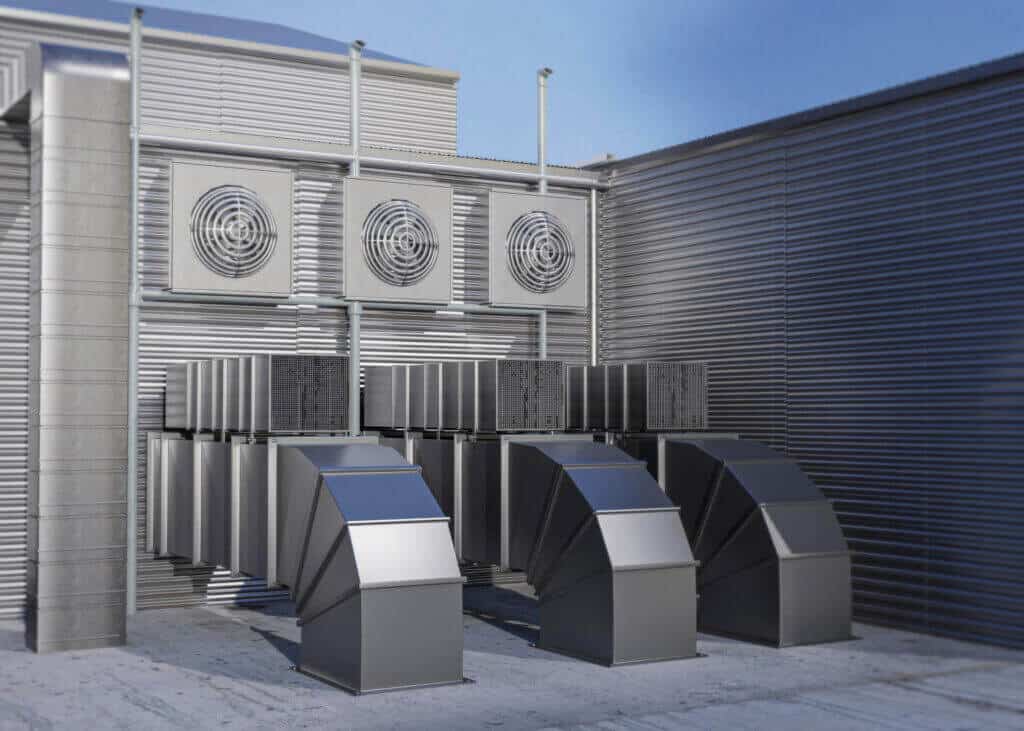
HVAC switchboards are used to control the heating, ventilation and air conditioning system of a building or facility. HVAC switchboards operate and control HVAC equipment such as fans, pumps and compressors.
HVAC enclosures are usually located in the basement or attic of the building.
HVAC switchboards perform many important functions, such as:
- They operate and control HVAC equipment.
- Control the temperature and humidity of the building.
- It acts as a center for monitoring and controlling the HVAC system.
7. Special Purpose Boards
Special purpose enclosures are enclosures designed for a specific application or requirement. For example, telecommunication boards are boards specifically designed for data centers.
Special purpose enclosures are often used in industrial plants or commercial buildings with special requirements.
Special purpose switchboards can fulfill many important functions, such as:
- Controlling a specific equipment or system.
- Monitor and control a specific process.
- Collect and analyze data.
Things to Consider When Choosing an Electrical Panel
When choosing an electrical panel, consider the following factors
it is important that you have it available:
- Application: For what purpose will the board be used?
- Requirements: Which electrical components and features should the switchboard include?
- Budget: How much can you budget for the enclosure?
- Location: Where will the panel be installed?
The choice of electrical panel is critical for the safety and efficiency of your electrical system. Therefore, it is important to consult with an electrical engineer or qualified electrician to select the right panel.
Nova Fabrication’s Electrical Panel Solutions
Nova Fabrication offers customized electrical enclosure solutions for any application. Our experienced engineers and technicians will work with you to design and manufacture the right enclosure for your needs.
Contact us to learn more about Nova Fabrication’s electrical enclosure solutions.