Which Bending Methods Can Be Used for Metal Forming?
Contents
Metal forming is a crucial manufacturing process that encompasses various bending methods, each designed to shape metal into precise forms for different applications. These techniques vary in complexity, from simple manual bends to highly automated and computer-controlled processes that ensure accuracy and repeatability.
Factors such as material type, thickness, desired angle, and end-use application determine the most suitable bending method. Whether used in automotive, aerospace, construction, or electronics industries, understanding these methods is essential for achieving optimal structural integrity and functionality.
Basic Metal Bending Methods
Metal bending is the process of reshaping metals to achieve desired angles, curves, or forms. Basic methods often rely on straightforward techniques like press brakes or manual bending. These methods are effective for simpler tasks but may lack the precision required for complex projects.
Simple bends are achieved by applying force to the material, causing it to stretch on the outside and compress on the inside. These foundational techniques are widely used for shaping sheets and bars for construction, fabrication, and manufacturing.
Press Brake Bending and Its Applications in Metal Forming
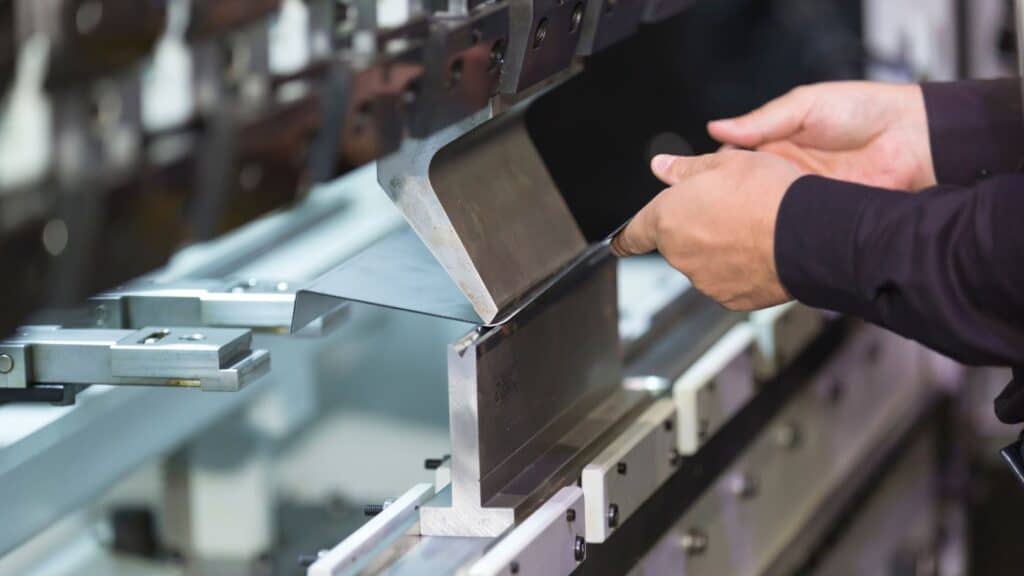
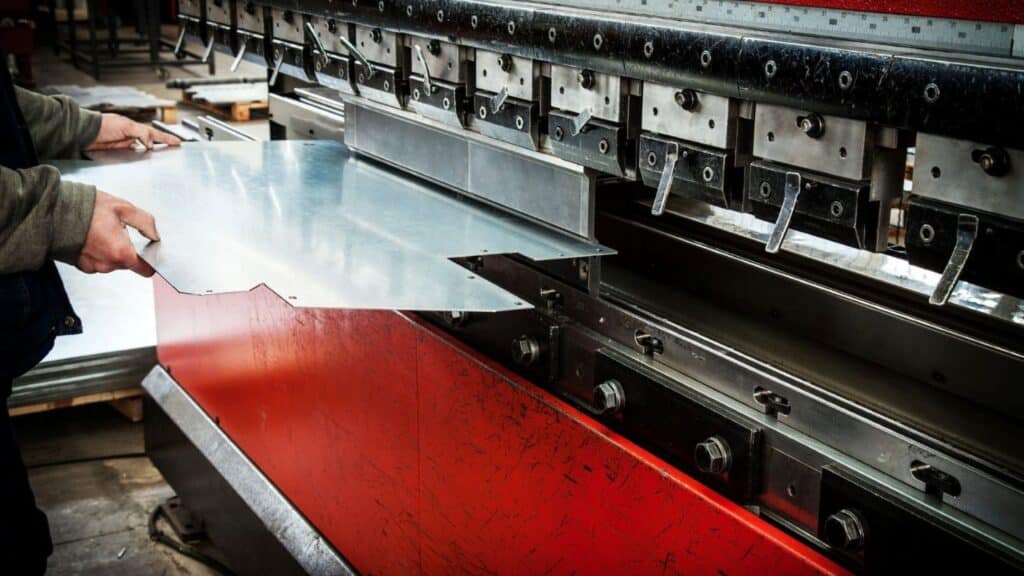
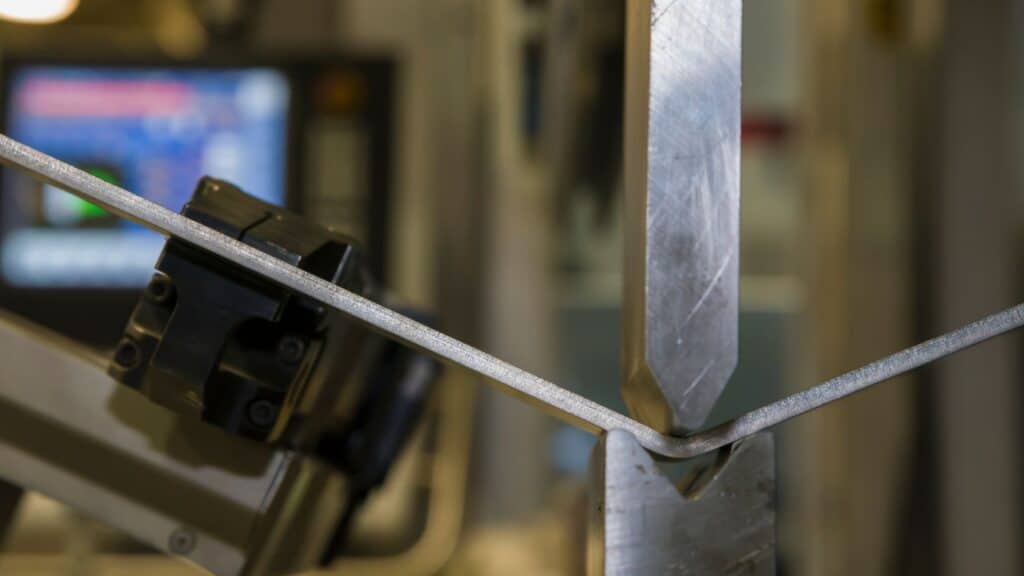
Press Brake Bending is one of the most versatile and commonly used bending methods. In this process, the metal is positioned over a die with a V-shaped opening, and a punch applies force to bend the metal without fully pressing it into the die.
This technique allows for flexibility, as the angle of the bend can be adjusted by controlling the depth of the punch. It is used extensively in industries requiring custom bends, such as automotive manufacturing, appliance production, and structural metalwork. Press Brake Bending is efficient for forming metals like aluminum, steel, and stainless steel.
Precision Bending Methods
Bottoming
Bottoming involves pressing the metal completely into the die, resulting in precise, consistent angles. Unlike Press Brake Bending, bottoming eliminates spring-back, ensuring the final shape matches the intended design. This method is ideal for projects requiring high precision and repeatability, such as parts used in aerospace or medical devices.
Coining
Coining takes precision a step further by applying significant force to imprint the die’s shape onto the metal. This method creates extremely accurate bends and is often used for delicate or detailed metal components. Due to the high pressure involved, coining is best suited for smaller, thinner materials where accuracy is paramount.
Roll Bending Techniques for Large Metal Pieces
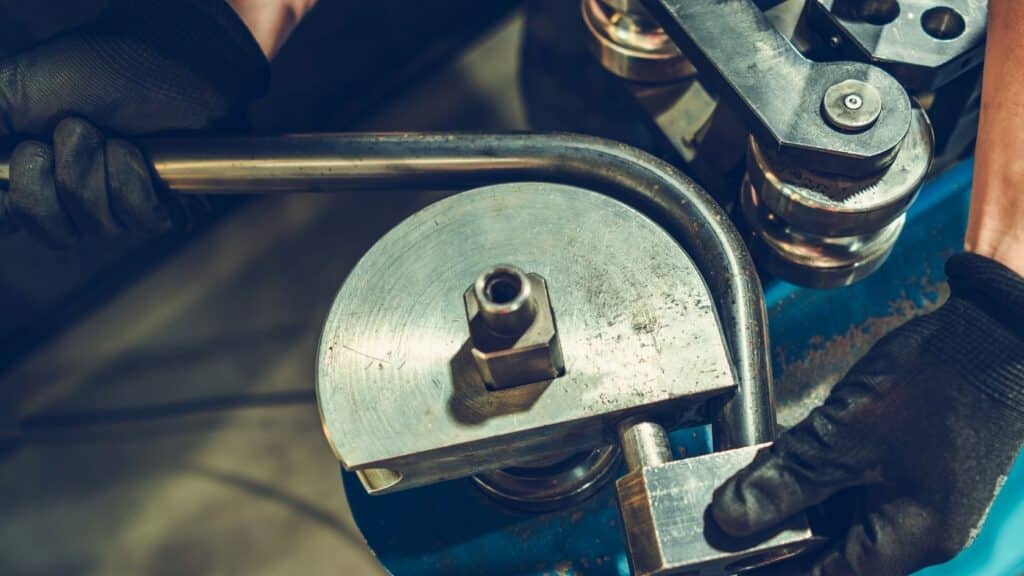
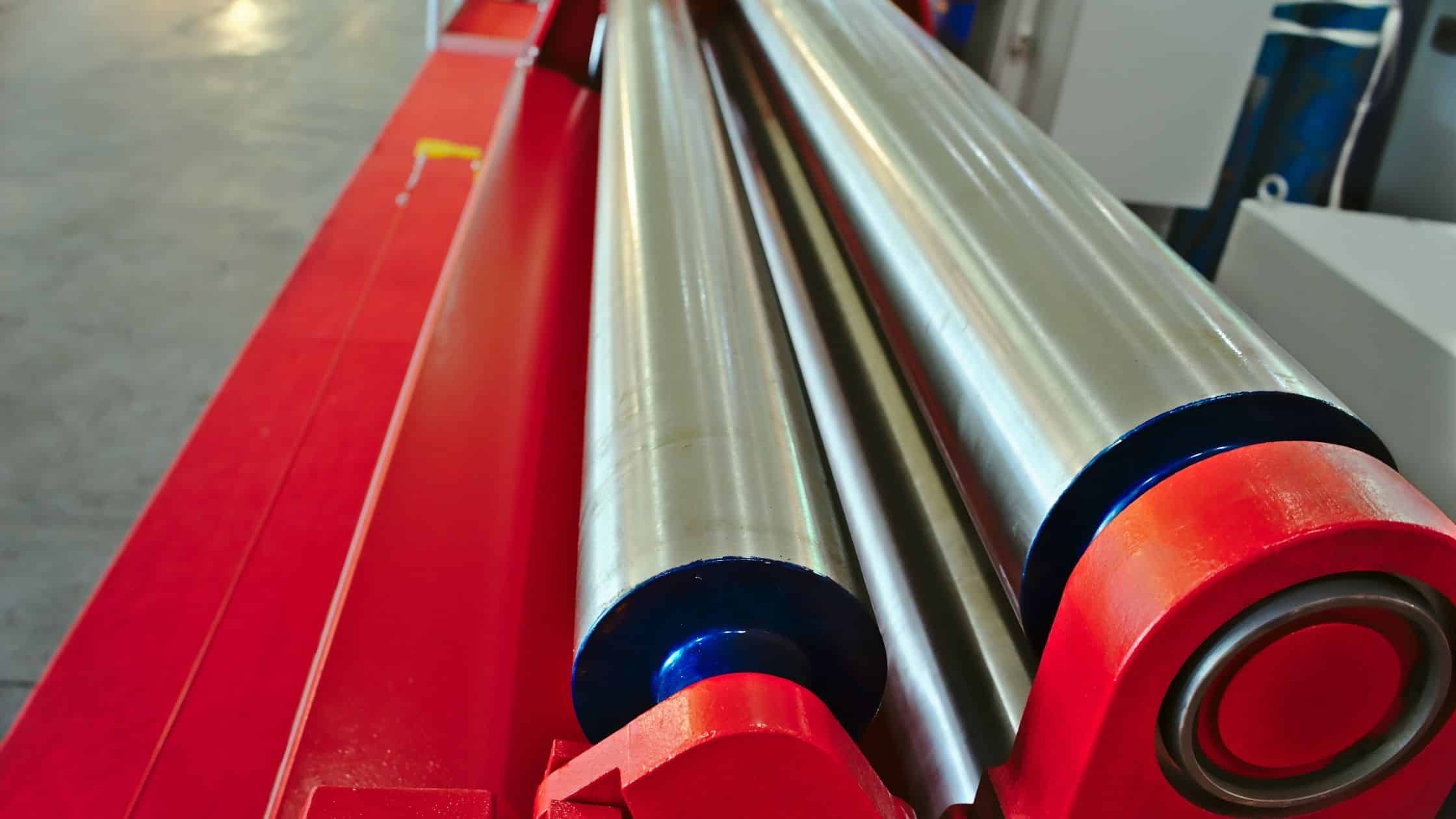
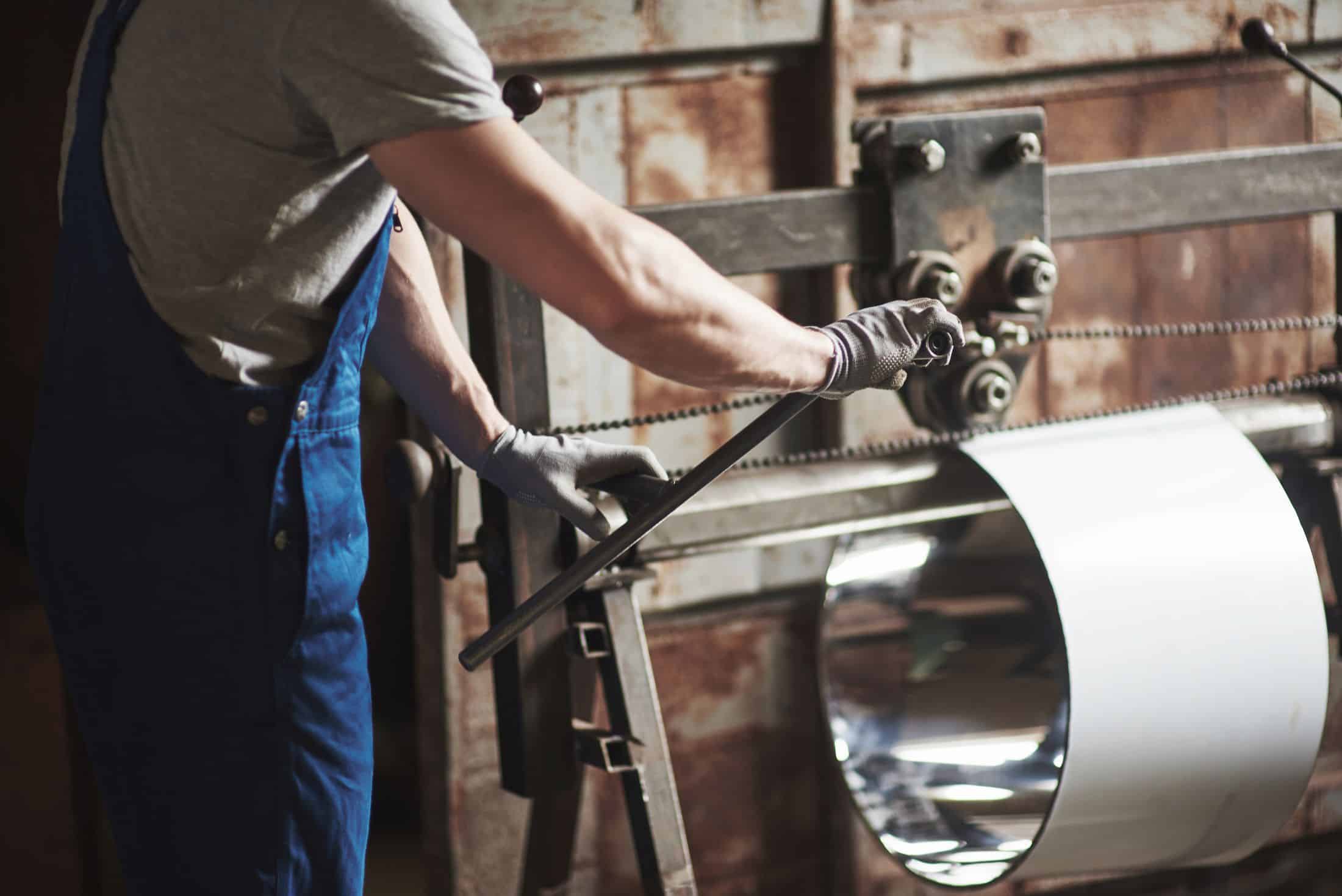
Roll bending is a specialized bending method used for forming large metal sheets or tubes into curves or cylindrical shapes. This process uses a set of rollers to gradually bend the material into the desired form.
Applications of roll bending include producing components for pipelines, storage tanks, and architectural elements like curved facades. This technique is highly efficient for creating uniform, large-radius bends in thick metals.
Advanced and Automated Bending Methods in Modern Manufacturing
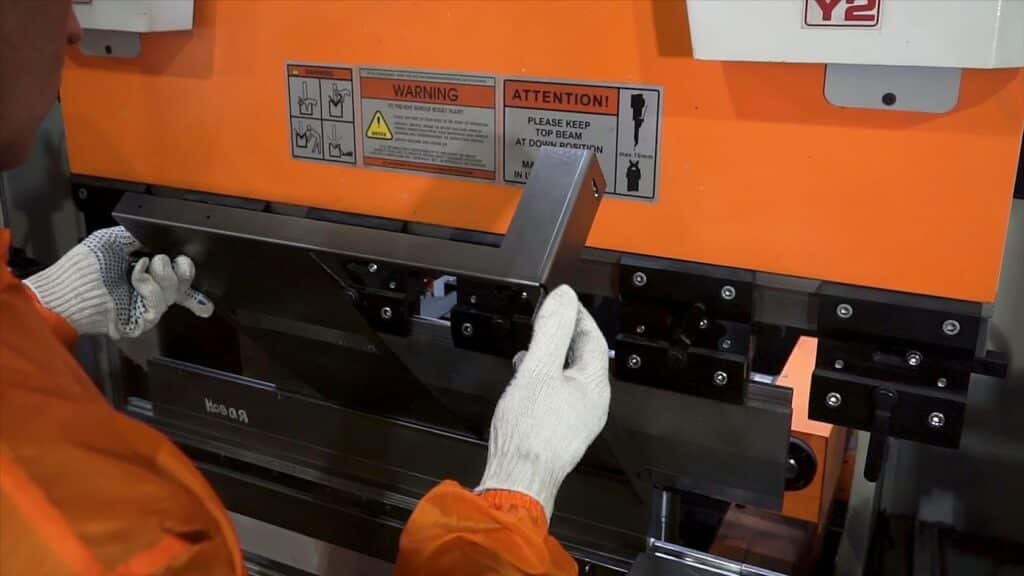
Modern manufacturing has introduced advanced bending methods that integrate automation and cutting-edge technology. CNC (Computer Numerical Control) bending machines, for example, allow for precise control of angles and dimensions through pre-programmed instructions.
Automated bending methods are ideal for mass production, where consistency and speed are critical. Industries such as automotive, electronics, and renewable energy heavily rely on these technologies to meet high production demands while maintaining tight tolerances.
Conclusion
From basic techniques to advanced automated processes, various bending methods are used in metal forming to meet diverse industrial needs. Press Brake Bending offers flexibility, precision methods like bottoming and coining provide accuracy, and roll bending excels in handling large-scale projects. Advanced automation continues to push the boundaries of efficiency and precision in modern manufacturing.
For innovative metal forming solutions, visitNova Fabrication and explore how expert techniques can bring your projects to life.