
Can Aluminum Rust?
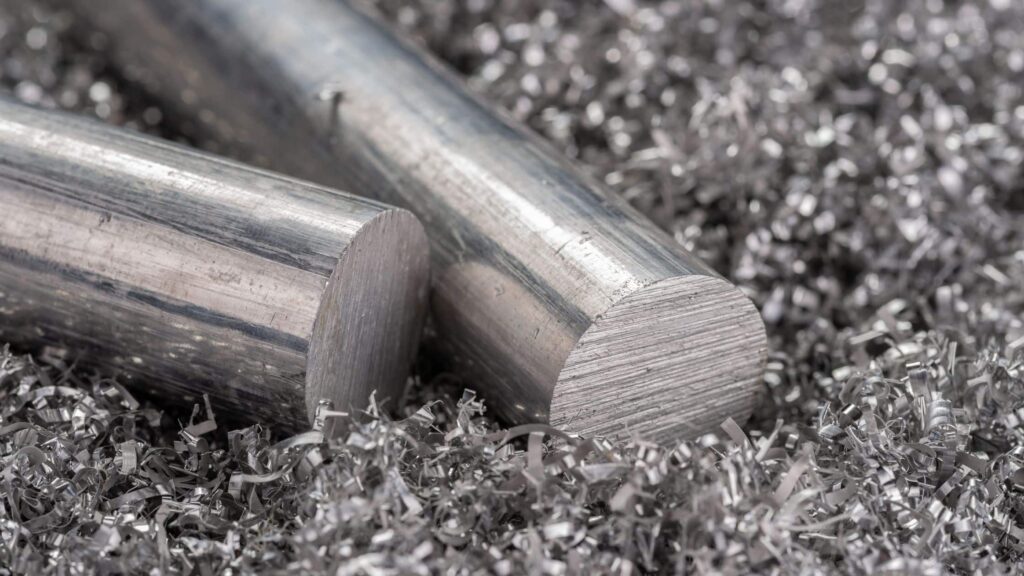
Aluminum does not rust because rusting is a chemical reaction that occurs only in iron or iron-based metals. Since aluminum contains no iron, it cannot produce rust, which is technically iron oxide. However, aluminum is not completely immune to corrosion. Instead of forming rust, aluminum reacts with oxygen in the environment to form a thin layer of aluminum oxide. This layer protects the metal underneath from further corrosion.
At Nova Fabrication, we work with a wide range of aluminum materials and alloys. We understand how aluminum reacts in different environments and apply appropriate treatments to maintain long-term performance. While the term “aluminum rust” is widely used, it is important to recognize that aluminum corrodes differently and much more slowly than iron or steel.
Why Aluminum Resists Rust Naturally?
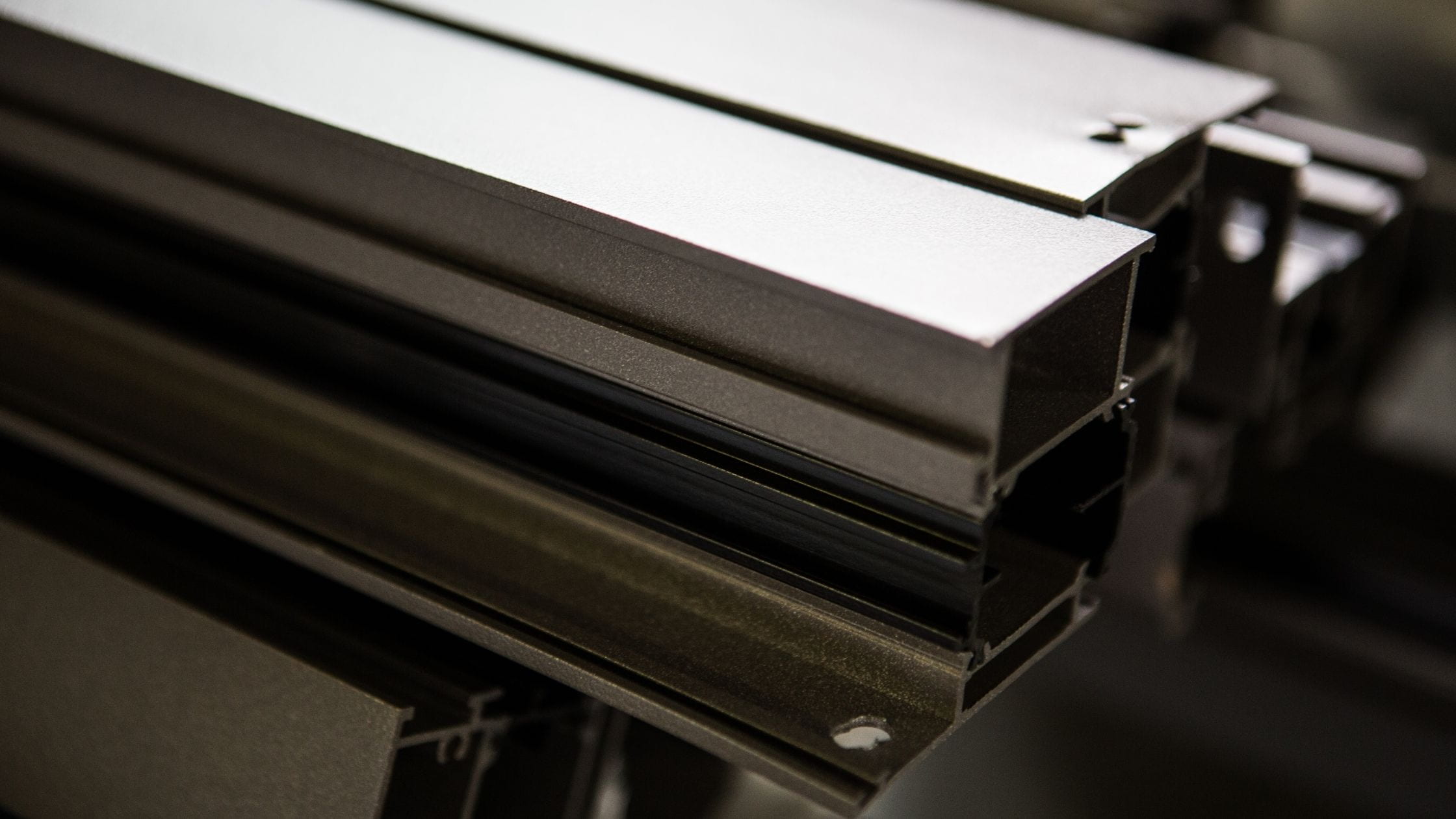
The main reason aluminum resists corrosion is its unique ability to form its own protective barrier to prevent aluminum rust. When aluminum is exposed to oxygen, it immediately forms a microscopic layer of aluminum oxide. This layer is durable, tightly bonded to the metal surface, and non-reactive. It prevents moisture and oxygen from reaching the raw metal below.
Unlike iron oxide, which flakes off and exposes new metal to corrosion, aluminum oxide remains in place. This difference gives aluminum a significant advantage in many industrial applications. The material is often chosen for outdoor use, structural parts, and manufacturing components that must withstand moisture or environmental stress. At Nova Fabrication, this property is one of the primary reasons we recommend aluminum for long-term structural performance in challenging conditions.
When Aluminum Corrosion Becomes a Risk?
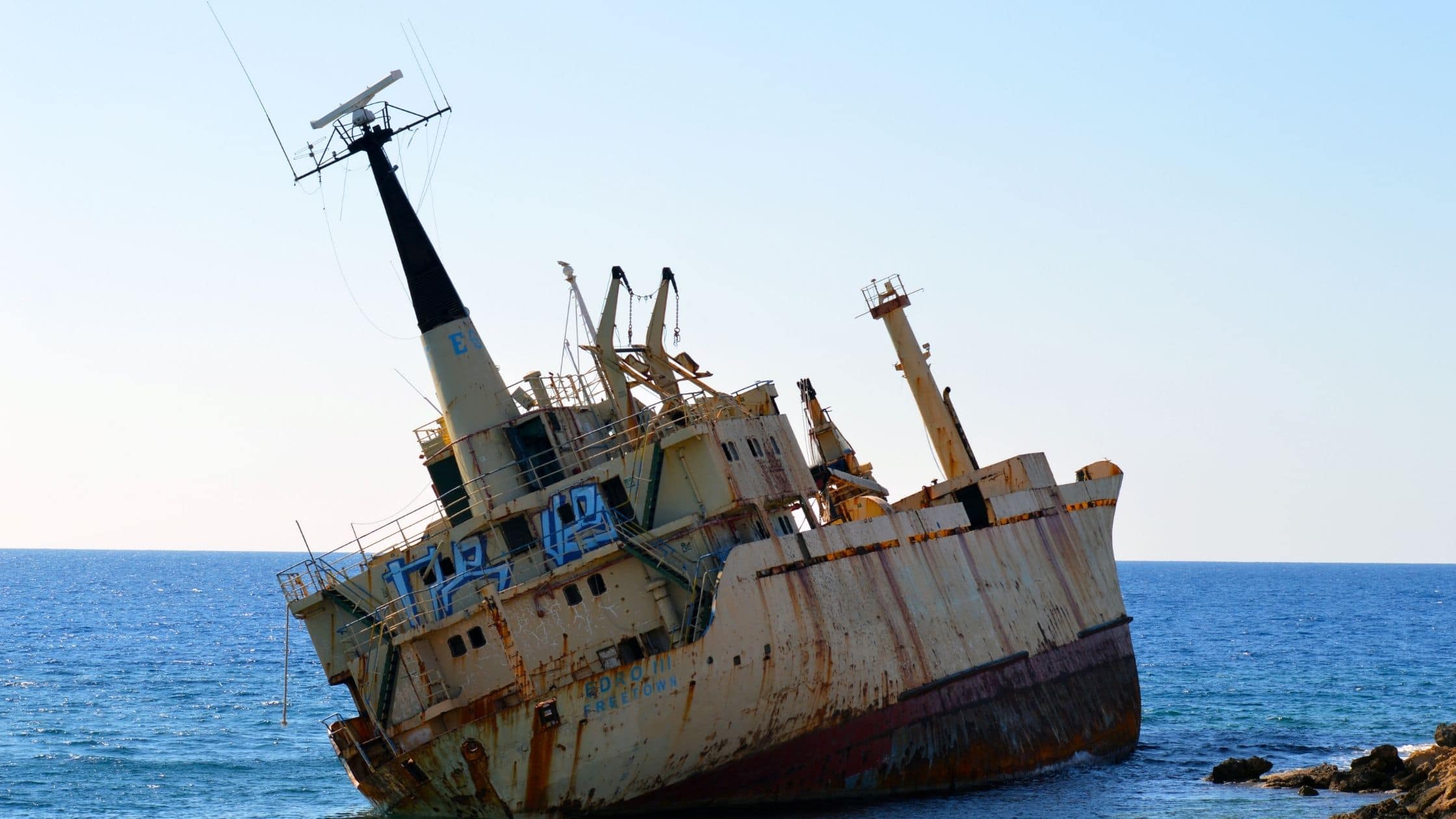
Although aluminum does not rust, it can corrode under certain environmental conditions. The oxide layer that protects aluminum is stable in most air and water environments but can be compromised by strong acids, alkalis, or salt. In marine or industrial environments where aluminum is exposed to aggressive chemicals, the appearance of aluminum rust, i.e. corrosion, can occur.
The most common types of aluminum corrosion include pitting corrosion, galvanic corrosion, and crevice corrosion. Pitting corrosion can occur in the presence of chlorides, such as saltwater. Galvanic corrosion arises when aluminum is in contact with a more noble metal like copper or stainless steel in a moist environment. Crevice corrosion may develop in areas where moisture is trapped for extended periods.
In all of these scenarios, aluminum rust can show signs of dulling, discoloration or surface damage that are mistaken for aluminum rust. These changes are often misunderstood as aluminum rust. In reality, the corrosion process is different and usually slower than traditional rusting. Nova Fabrication addresses these risks by carefully selecting aluminum grades and applying appropriate coatings or anodizing treatments depending on the working environment.
How Aluminum can be Protected Effectively?
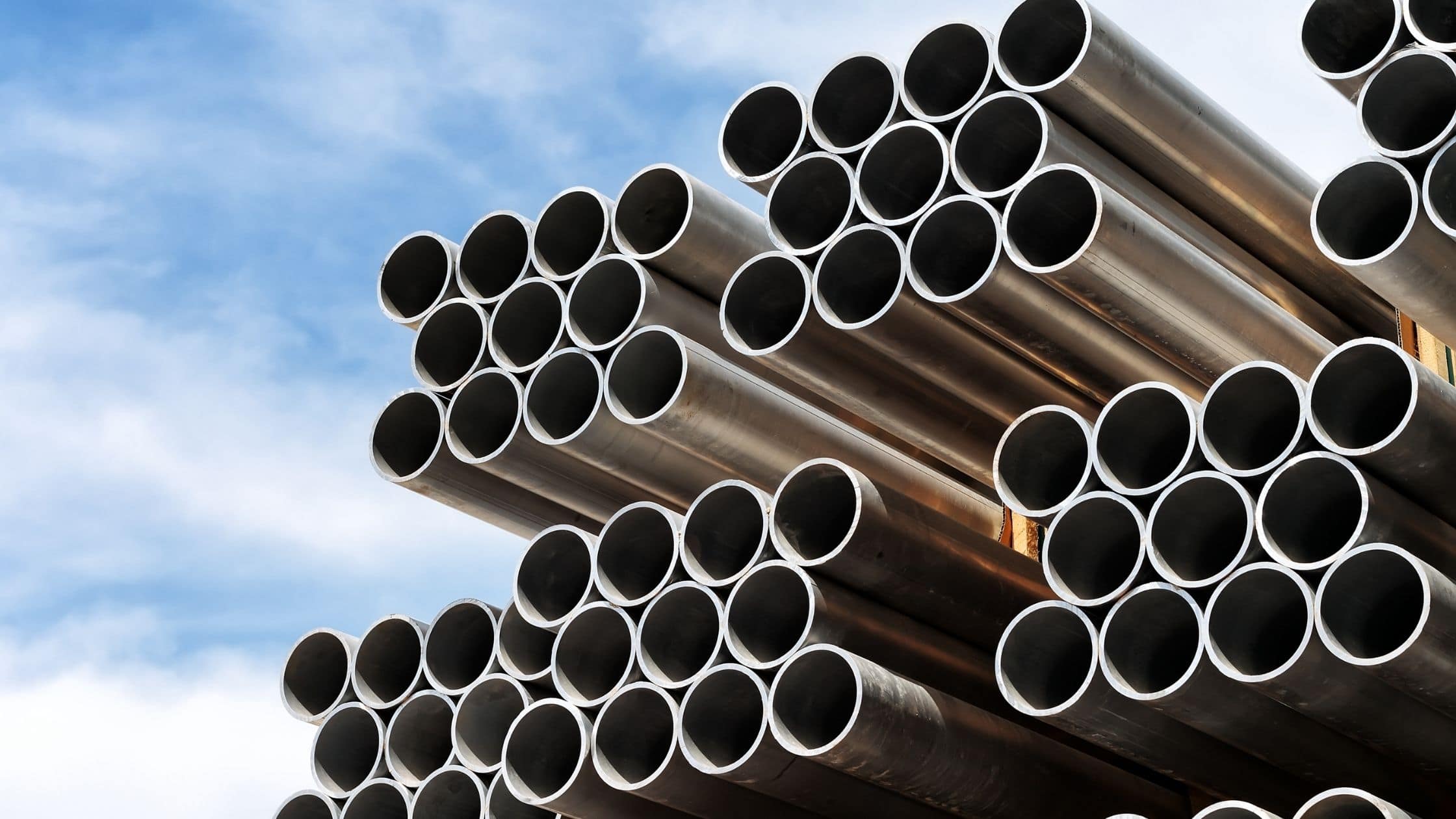
Aluminum corrosion, mistaken for aluminum rust, is easy to prevent with the right protection methods. Anodizing is a common process that improves corrosion resistance by increasing the thickness of the aluminum oxide layer. Powder coating or painting adds a physical barrier between the metal and the environment. Alloy selection is another critical factor. Certain aluminum alloys offer superior resistance to certain types of corrosion.
At Nova Fabrication, we evaluate the exact conditions where aluminum components will be used. Based on that analysis, we select the most appropriate protection method. Whether the material will be exposed to salt air, chemical vapors, or industrial wear, our team ensures the aluminum performs as required.
Understanding how aluminum behaves in the presence of moisture and other corrosive elements helps clarify why the phrase “aluminum rust” is not technically accurate. More importantly, it helps engineers and designers make informed material choices.
Aluminum rust is a false statement. Aluminum does not rust because it contains no iron and cannot form iron oxide. Instead, it forms a layer of aluminum oxide that protects itself against corrosion. Aluminum can corrode under harsh conditions, but this process is very different from rusting. Proper material selection, surface treatments and protective coatings can significantly extend the life of aluminum components.
At Nova Fabrication, we apply our expertise in corrosion-resistant design to deliver reliable aluminum solutions across a wide range of industries. When strength, longevity, and appearance matter, aluminum remains one of the most effective materials available.