To reduce carbon footprint and human originated littering in nature, almost all sectors of the business world aim to pay more attention to materials that are eco-friendly. Stainless steel proves to be eligible for such an important matter from the beginning of its manufacturing process until the end of its life.
The Manufacturing of Stainless Steel
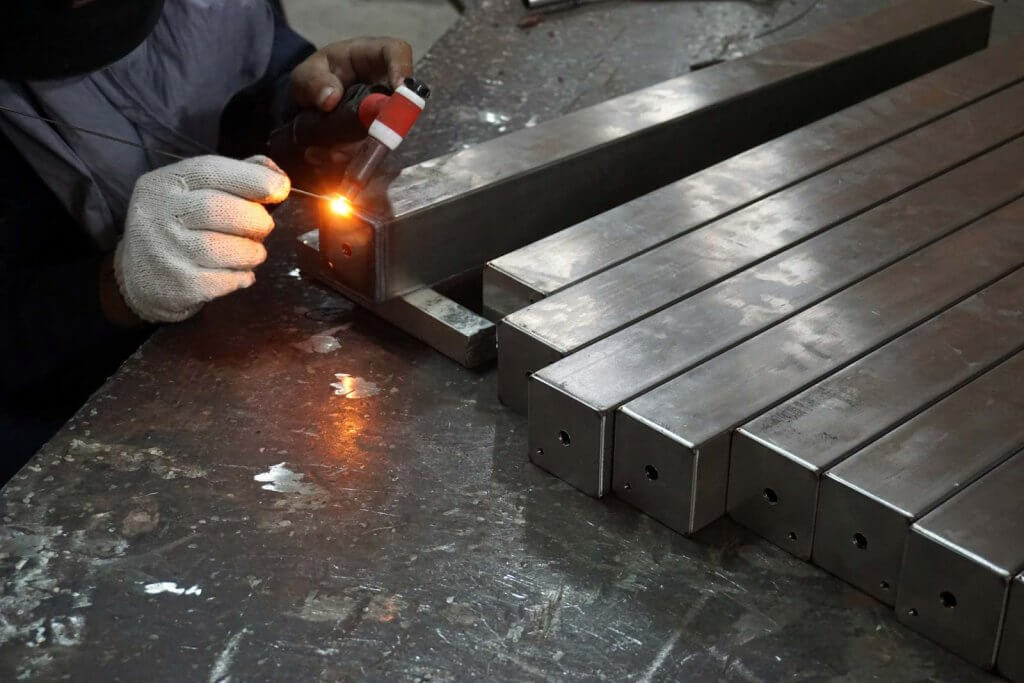
For stainless steel manufacturing, the material primarily used is scrap metal, approximately one-third of which is recycled material, as it is an alloy consisting mainly of iron and chromium which are the two of the most commonly found metals on earth. The use of electricity, the amount of which has dramatically decreased in recent years, and recycling, which also emits way less CO2 than utilizing raw ore and similar materials, renders stainless steel fabrication and stainless steel itself an environmentally friendly component in manufacturing. Even better, stainless steel gets even more eco-friendly with recycling after recycling as the same material can be used for an exceptionally long time with nothing left in the environment thanks to its ability to be recycled with no quality loss.
Is Stainless Steel Harmful to the Environment?
Due to the chromium oxide surface of stainless steel, bacteria can’t exist on its non-reactive surface. Although it doesn’t dissolve in nature because of this feature, it also means that any piece of stainless steel forgotten in nature instead of being recycled to make new pieces does not release any toxic or harmful materials in time or contact with any other material (dirt, water, air etc.): Being such a non-biodegradable, thus easily sterilizable, material, makes stainless steel fabrication also beneficial in the medical sector, especially considering the fact that new medical technology is way faster than the expected life of the equipment. Thanks to stainless steel, outdated equipment can be replaced with peace in mind knowing that they will be completely recycled and used in more technological equipment and will pose no threat to nature whatsoever.
With all the gas emissions of conventional steel production is lowered to the mere emission of CO2 related to energy consumption with stainless steel fabrications, and the nonreactive and recycle friendly qualities of the material itself, stainless steel manufacturing seems to be a good way to ensure an eco-friendly industry with the lowest carbon print and influence on nature as possible.