
Milling is an essential part of the modern manufacturing industry. Whether in the automotive, aerospace or electronics industries, milling is frequently used in projects that require high precision and quality. In this article, we will take a detailed look at examples of milling applications and their various uses.
What is Milling?
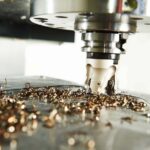
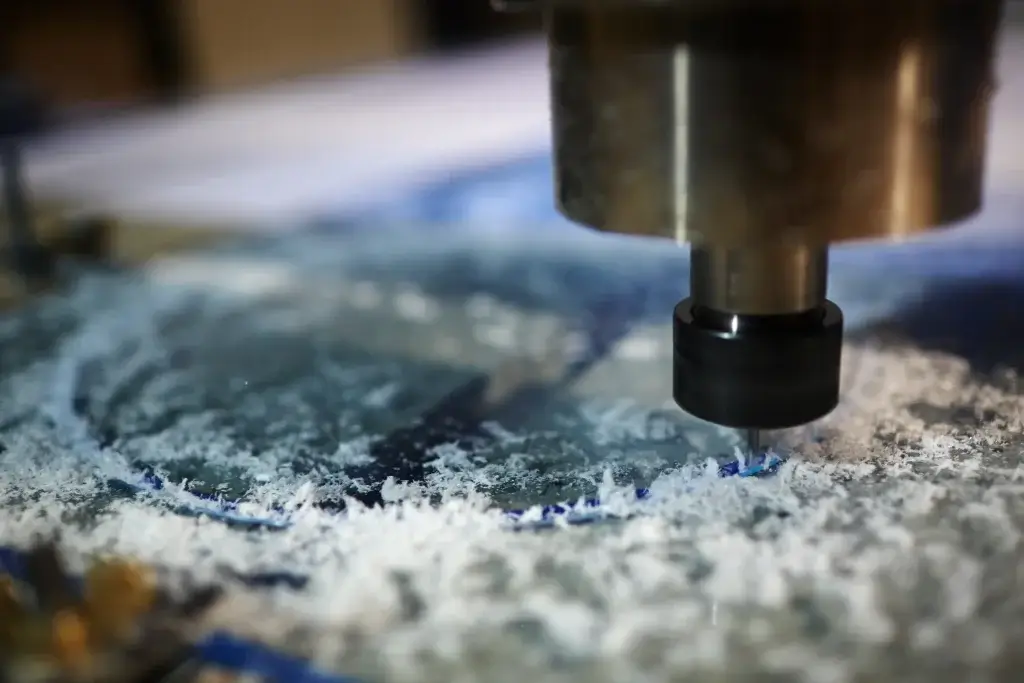
Milling is the process of shaping material using a cutting tool. With the widespread use of CNC (Computer Numerical Control) machines, milling operations have become faster, more precise and repeatable.
Milling is often used to create the desired shape on the surface of materials such as metal, plastic and wood. This is accomplished by the rotary motion of the cutting tool and the linear motion of the workpiece. Milling machines come in various types that can work on vertical and horizontal axes.
Examples of Milling Applications
Milling has a wide range of applications. Here are some important examples:
Automotive Parts Production: Critical components such as engine blocks, transmission cases and suspension parts are produced by milling. These parts require high precision and durability. For example, machining the cylinder bores of an engine block is extremely important to ensure efficient engine operation.
Aviation Components: Aircraft wings, landing gear and engine parts are machined by milling because they require high precision. The materials used in the aerospace industry are usually made of lightweight and durable metals such as titanium and aluminum. Machining these materials requires high accuracy and surface quality.
Electronic Components: Circuit boards, heatsinks and connectors are shaped by milling. Precision machining of these components, which are part of the internal structure of electronic devices, directly affects the performance and reliability of the device.
Medical Devices: Medical devices such as prostheses, implants and surgical instruments require high precision and biocompatibility. Milling is often used in the production of such devices.

Milling Application Areas
Milling is used for different purposes in various industries. Here are some important uses:
Prototyping: During the product development process, milling is used to create fast and precise prototypes. This allows designers and engineers to test and improve their products. For example, an automotive company can use milling to create a rapid prototype to test a new engine design.
Mass Production: For high-volume production, milling is preferred for repeatability and speed. CNC machines can produce the same part over and over again with high precision, making it ideal for mass production. For example, milling is used when thousands of circuit boards for electronic devices need to be produced.
Special Productions: For custom design and small-scale production, it offers the advantage of flexibility and precision. For example, milling is used when a special machine part or a complex shape for a work of art needs to be produced.
Innovations in Milling Technology
Milling technology is constantly evolving and innovating. Here are some key innovations:
5-Axis CNC Milling: Allows machining of more complex geometries. This technology allows the cutting tool to move in five different axes, which enables the production of more complex and precise parts. For example, complex parts such as aircraft engine components are machined with 5-axis milling.
High Speed Milling: Reduces production time and improves surface quality. This technology allows the cutting tool to operate at higher speeds, which speeds up the production process and results in smoother surfaces.
Automation and Robotics: Reduces labor costs and increases production efficiency. Automation technologies enable milling machines to operate with less human intervention. This makes the production process more efficient and cost-effective.