
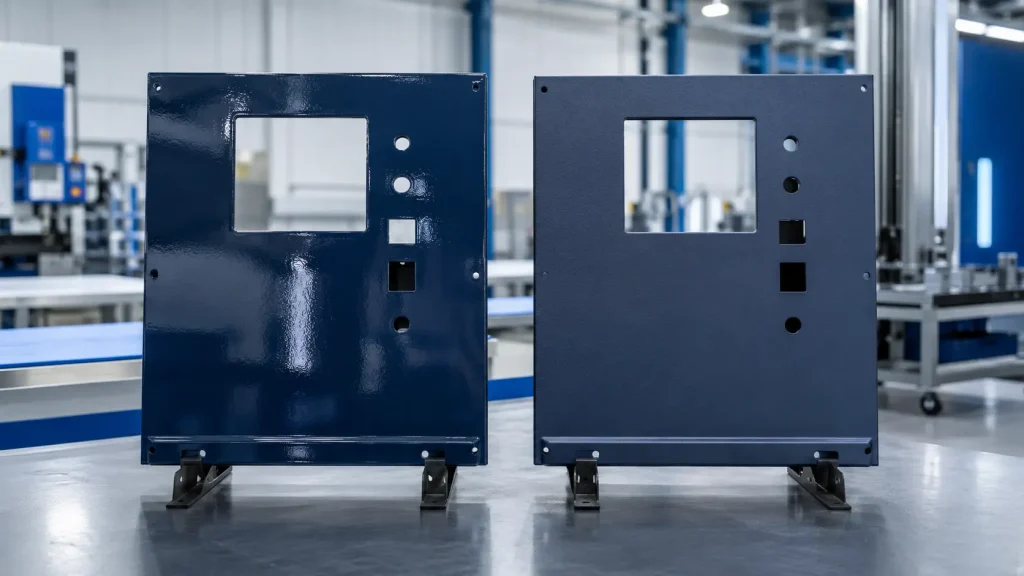
Choosing the right surface finish is an important decision in custom metal fabrication. The finish does not only affect how a product looks; it also influences durability, corrosion resistance, maintenance needs, production cost and long-term performance.
Two of the most common finishing methods for metal products are wet painting and powder coating. Both methods can improve the appearance and protection of metal surfaces, but they are not the same. The right choice depends on the product’s material, usage environment, design requirements and expected service life.
For some projects, wet painting offers more flexibility in color and finish. For others, powder coating provides better durability and a stronger protective layer. Understanding the difference between these two methods helps buyers choose the most suitable finish before production begins.
What Is Wet Painting?
Wet painting is a traditional finishing method where liquid paint is applied to the metal surface by spraying, brushing or other application techniques. After application, the paint dries and forms a protective and decorative layer on the product.
This method is widely used because it offers flexibility. Wet painting can be suitable for different materials, complex shapes and projects that require specific colors or thinner coating layers. It can also be a practical choice when the product cannot be exposed to the curing temperatures required for powder coating.
Wet painting is often preferred when custom color matching, glossy finishes or special visual effects are needed. It can provide a smooth and high-quality appearance when the surface is properly prepared and the paint system is selected correctly.
What Is Powder Coating?
Powder coating is a dry finishing process where fine powder particles are electrostatically applied to the metal surface. The coated part is then cured with heat, allowing the powder to melt and form a hard, uniform and durable coating layer.
This method is especially popular for metal products that need strong surface protection. Because powder coating creates a thicker and more resistant layer than many liquid paint applications, it is often preferred for products exposed to regular handling, outdoor conditions, scratches or impact.
Powder coating also provides a clean and consistent appearance. It is commonly used for metal cabinets, shelves, frames, machine parts, outdoor equipment, retail fixtures and many industrial components.
Wet Painting vs Powder Coating: Quick Comparison
Feature | Wet Painting | Powder Coating |
Application Method | Liquid paint applied by spray or brush | Dry powder applied electrostatically and cured with heat |
Finish Thickness | Usually thinner | Usually thicker and more uniform |
Durability | Good for many applications, but may be less resistant to heavy wear | Strong resistance to scratching, chipping and impact |
Color Flexibility | Very flexible for custom colors and special finishes | Wide range of colors, but some custom effects may be more limited |
Surface Appearance | Smooth, glossy or custom visual finishes are possible | Clean, consistent and durable finish |
Heat Requirement | Does not always require oven curing | Requires heat curing |
Best For | Custom colors, thin finishes, heat-sensitive parts and detailed visual requirements | Durable metal parts, outdoor use, high-wear products and repeat production |
Environmental Impact | May involve solvents depending on paint type | Generally lower VOC emissions because it is a dry process |
Repairability | Easier to touch up locally | More difficult to repair invisibly in small areas |
Durability and Corrosion Resistance
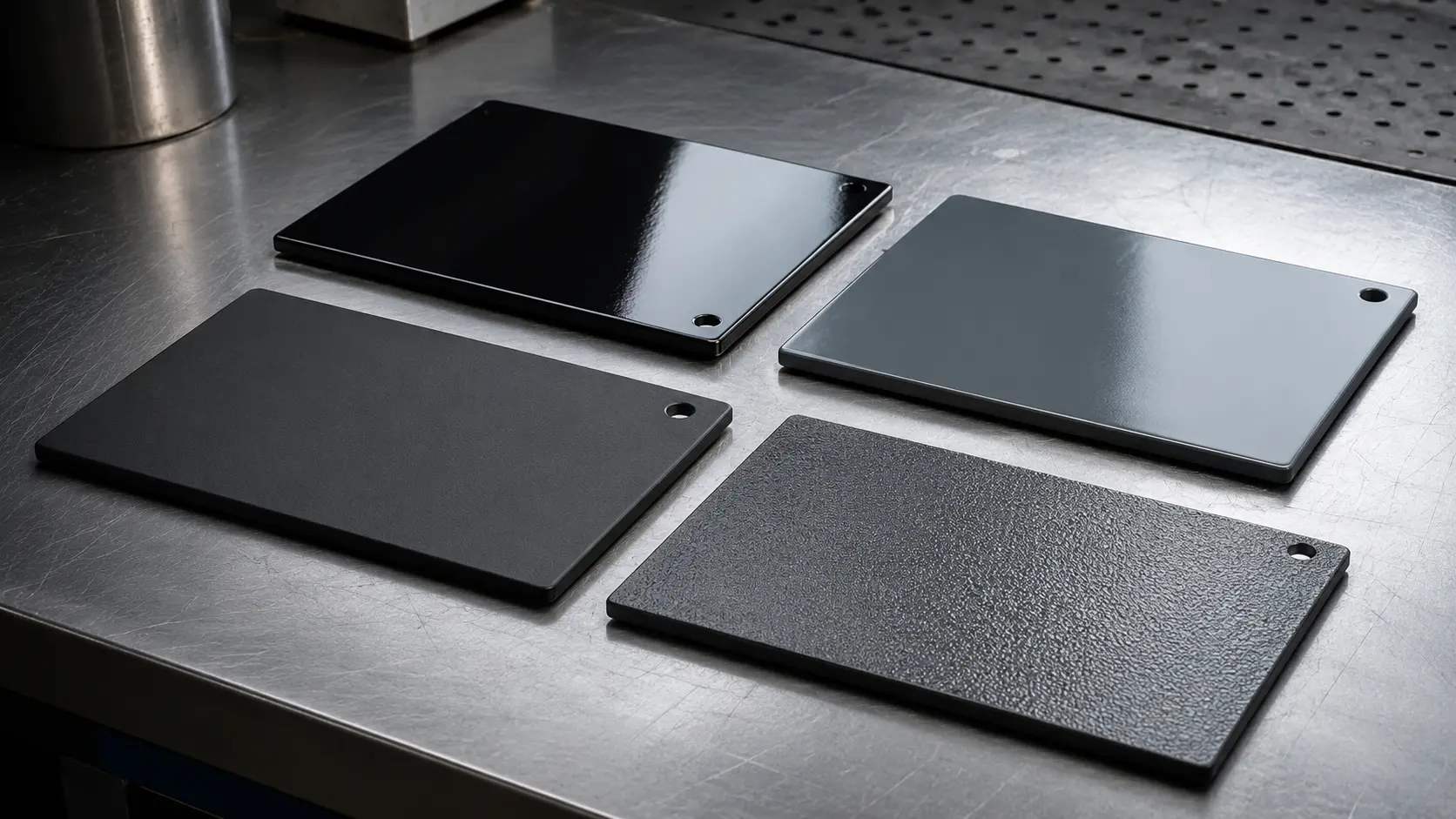
Durability is one of the biggest differences between wet painting and powder coating. Powder coating generally creates a tougher and more resistant surface because the coating bonds to the metal during the curing process. This makes it a strong option for products that will be handled frequently, used outdoors or exposed to mechanical wear.
Wet painting can still provide good protection, especially when the correct primer and paint system are used. However, in demanding environments, it may be more vulnerable to scratches, chipping or fading over time. For products that require maximum surface resistance, powder coating is often the better long-term choice.
Corrosion resistance also depends on surface preparation. Even the best coating method can fail if the metal surface is not cleaned, treated and prepared properly before application. Degreasing, sanding, blasting or chemical pre-treatment may be required depending on the material and project.
Appearance and Color Options
Wet painting has a strong advantage when a project requires very specific colors, special gloss levels or a more customized visual finish. It can be easier to achieve certain effects with liquid paint, especially when the product has detailed design requirements or needs to match a brand color closely.
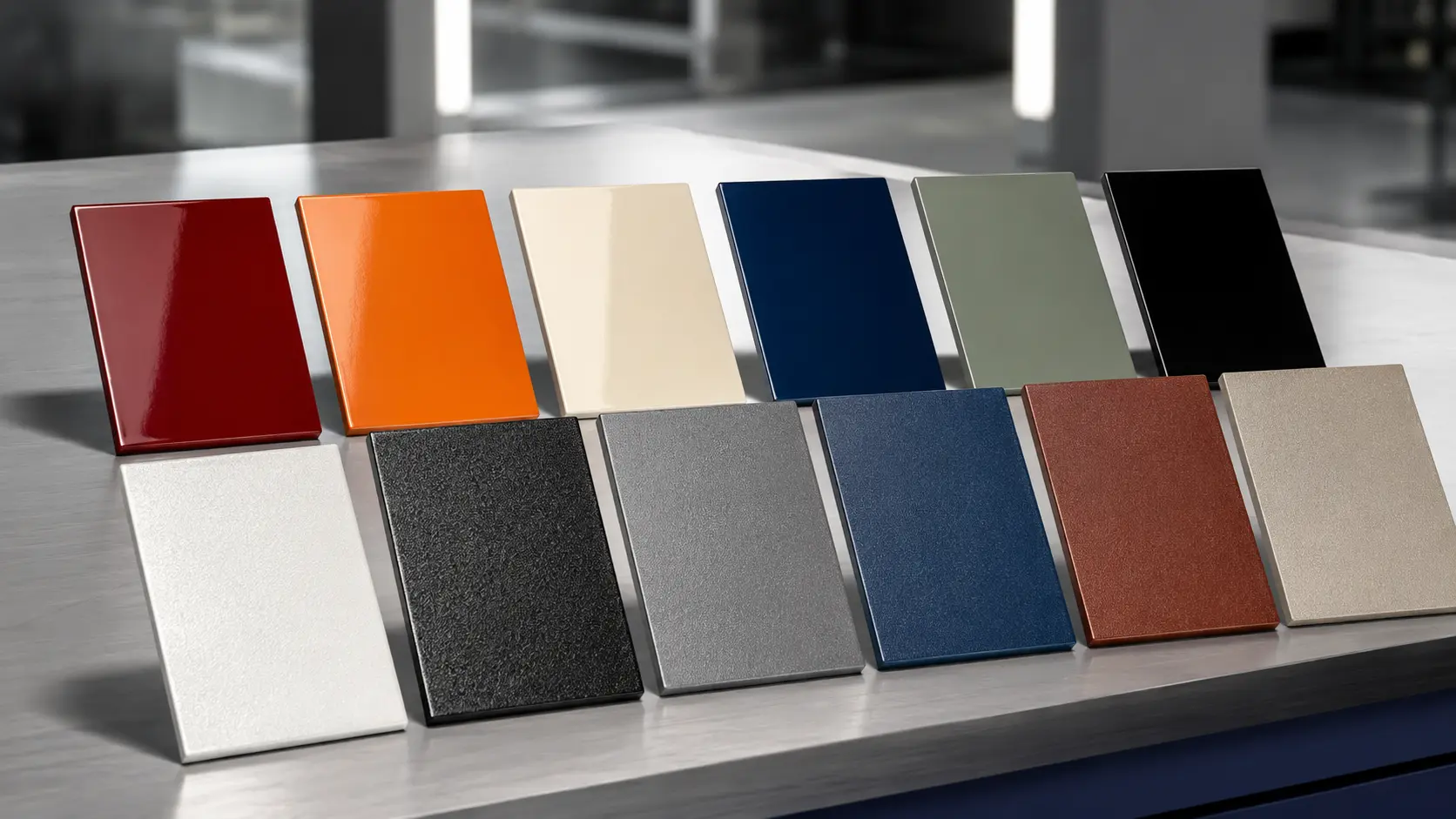
Powder coating also offers many color and texture options, including matte, semi-gloss, glossy and textured surfaces. It provides a consistent and professional look, especially on metal parts produced in larger quantities. However, if the project requires highly specific color matching or a very thin decorative finish, wet painting may offer more flexibility.
For visible products such as retail fixtures, decorative metal parts or customer-facing components, the final appearance should be evaluated together with durability. A finish should not only look good on the first day; it should also maintain its appearance during use.
Cost and Production Efficiency
The cost difference between wet painting and powder coating depends on the project. Wet painting may be more practical for small batches, special colors or parts that cannot go through a heat curing process. It can also be useful when a thinner finish is required.
Powder coating may require specific equipment and curing ovens, but it can be efficient for repeat production and metal parts that need a durable finish. Because the coating is generally more resistant, it may also reduce maintenance or repainting needs over time.
Instead of choosing only by initial price, buyers should consider the total value of the finish. A cheaper finish may become more expensive later if it wears quickly, requires frequent touch-ups or does not protect the product properly in its working environment.
Environmental and Practical Considerations
Powder coating is often considered a cleaner finishing method because it does not rely on liquid solvents in the same way traditional wet paint systems can. This can reduce VOC emissions and waste during production. For companies that focus on cleaner manufacturing and long-term durability, powder coating can be an attractive option.
Wet painting still has its place, especially when flexibility is more important than maximum durability. It can be applied to a wider range of materials and may be better suited for products that cannot withstand oven curing temperatures.
The practical choice depends on the full production process. Part size, geometry, material, surface expectations, production quantity and usage environment should all be considered before selecting the finish.
Which Finish Is Better for Your Product?
There is no single answer that fits every product. Powder coating is generally better for metal parts that need high durability, corrosion resistance and a consistent finish. It is a strong choice for outdoor metal products, industrial equipment, shelves, cabinets, frames, barriers and parts exposed to regular wear.
Wet painting is often better when the product requires very specific color matching, a thinner coating layer, special visual effects or when the material cannot be exposed to high curing temperatures. It can also be suitable for complex parts where liquid paint application provides better control over certain details.
The best finish is the one that matches the product’s real use case. A metal shelf for an industrial facility, a decorative retail display and a custom machine cover may all require different finishing decisions.
Design and Surface Preparation Matter
The coating method is only one part of the final result. Surface preparation, product design and production quality are just as important. Sharp edges, poor weld finishing, oil residue or untreated surface defects can reduce coating performance.
Before choosing between wet painting and powder coating, the product should be evaluated from a manufacturing perspective. The material, thickness, weld areas, visible surfaces and exposure conditions should be reviewed together. This helps prevent coating problems and improves the long-term appearance of the product.
For projects that include cutting, bending, welding and finishing, it is useful to evaluate coating as part of the complete production process rather than as a separate final step. You can explore related production capabilities through the Manufacturing Services page.