

What Are Different Types Of Milling Operations?
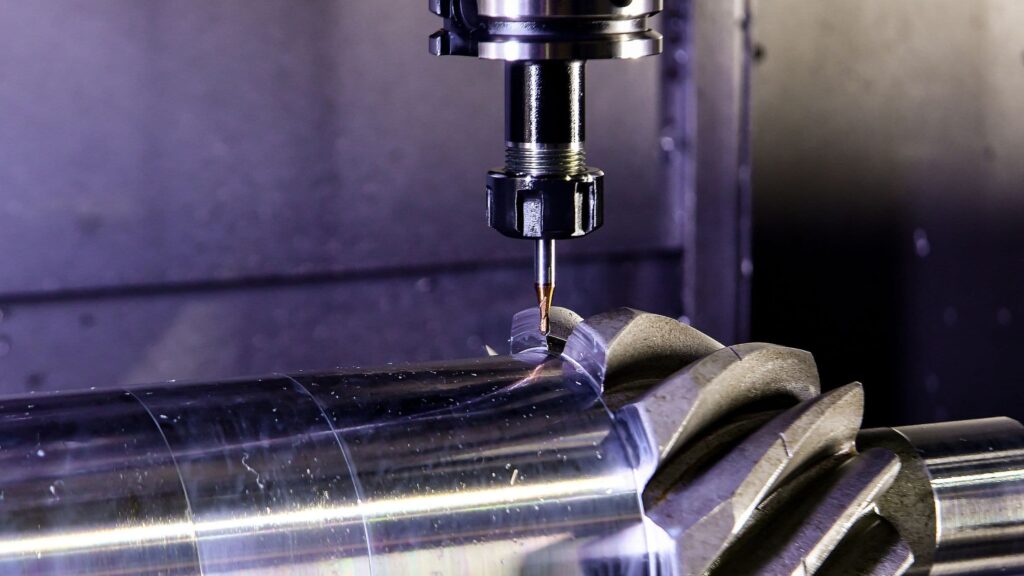
Milling operations are machining processes that use rotary cutters to remove material from a workpiece. These operations vary in purpose, complexity, and tool configuration, but all involve a rotating tool that interacts with a stationary or moving material surface. Milling is one of the most versatile and widely used manufacturing techniques across industries such as automotive, aerospace, defense, and heavy machinery.Understanding different milling operations is crucial for selecting the right process, improving efficiency, and ensuring high-quality results. Below, we break down 14 essential milling operations, each with its unique function and advantage.
Face Milling
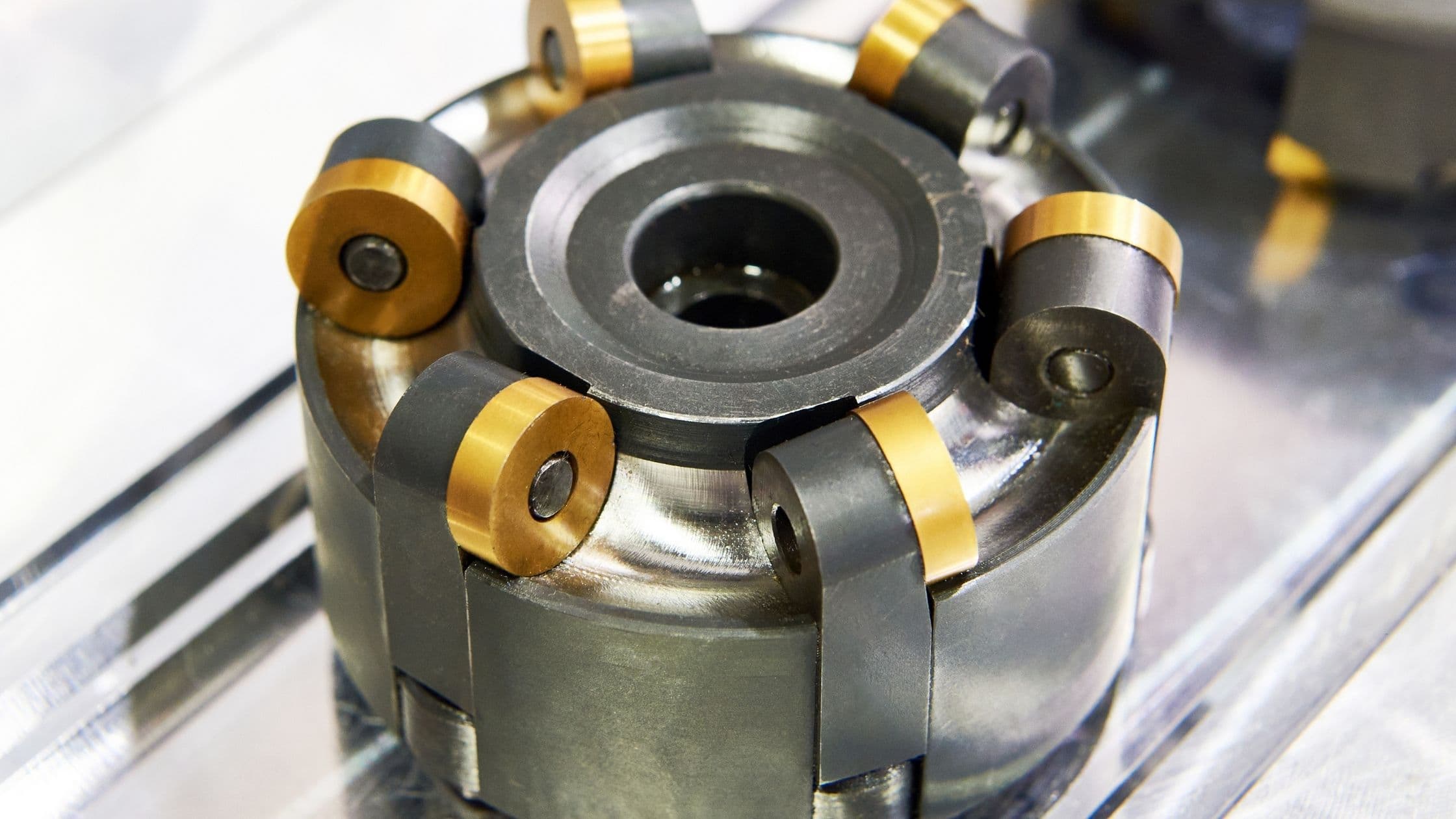
Face milling is a basic and widely used technique where the cutting is performed primarily by the periphery of the tool, but the face or end of the cutter also engages the surface. This operation creates flat surfaces on the workpiece and is ideal for material removal in a large surface area.
Face milling tools usually have multiple cutting edges and are designed for high-speed machining. Among all milling operations, face milling offers high efficiency and is frequently used in mass production settings.
Plain Milling (Slab Milling)
Plain milling, also known as slab milling, involves cutting along a flat surface using a horizontally mounted cutter. The cutter rotates on an axis parallel to the surface of the workpiece.
This method is ideal for producing horizontal flat surfaces. It’s one of the simpler milling operations but still essential for shaping large and long workpieces with uniform surface finish.
Angular Milling
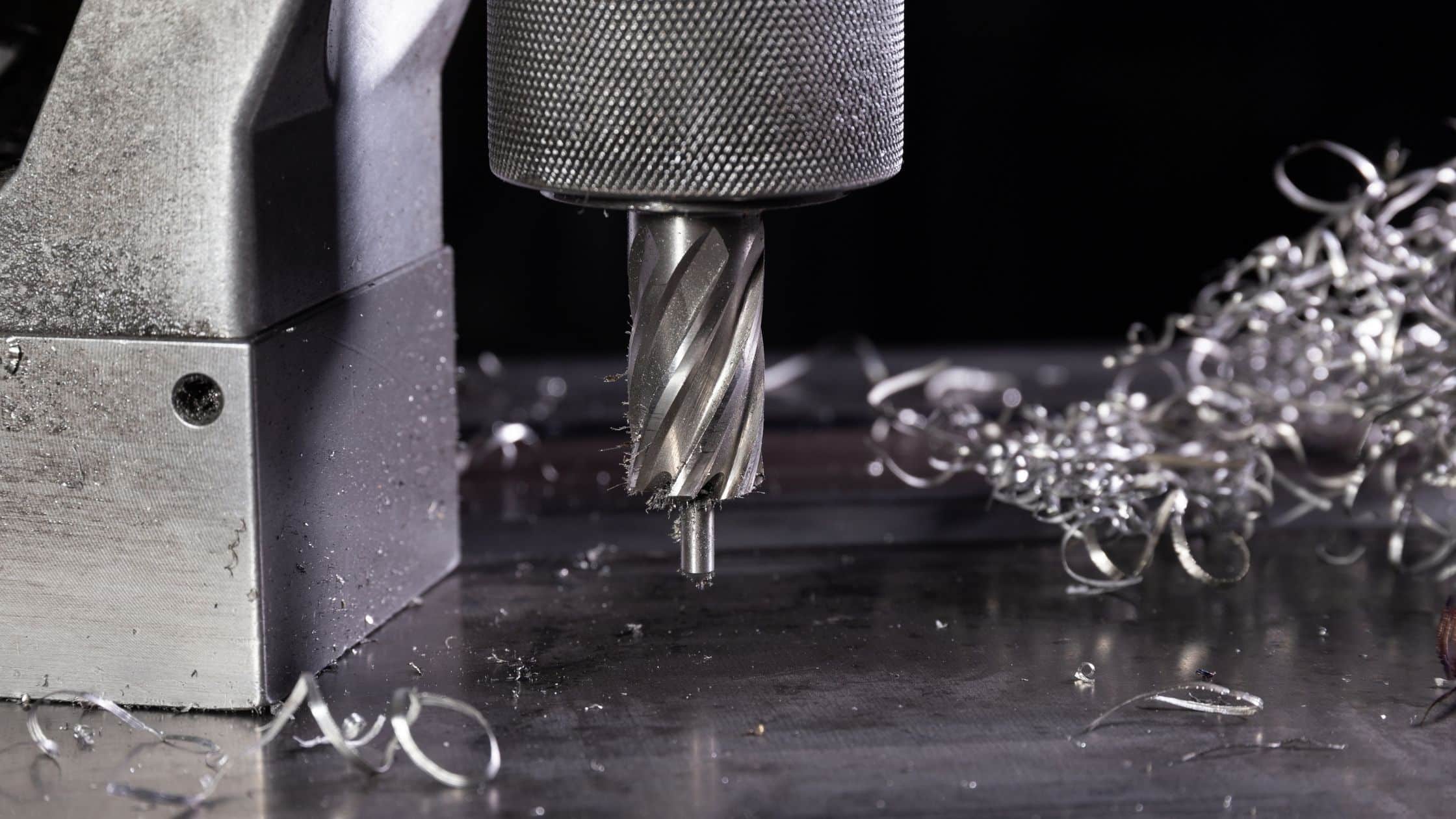
Angular milling is used when a surface must be cut at an angle other than 90° to the axis of the tool. This is typically achieved using single-angle or double-angle milling cutters.
Among milling operations, angular milling is especially useful in mold-making, die-cutting, and custom machine part production. It allows for chamfers, V-grooves, and angled slots to be machined accurately.
Form Milling
Form milling is employed to cut contours, curved surfaces, and complex geometries using cutters that match the desired shape. Tools are custom-made or selected from standard profiles.
This operation is often used for gears, cams, and curved slots. It’s one of the more complex milling operations, requiring careful planning and precise tool control to achieve exact profiles.
Straddle Milling
Straddle milling uses two cutters mounted on the same arbor to machine two parallel surfaces simultaneously. It’s a time-saving technique when exact spacing is needed between machined surfaces.
In precision machining, straddle milling stands out among milling operations for its ability to ensure symmetrical cuts in one pass, enhancing alignment and accuracy.
Slot Milling
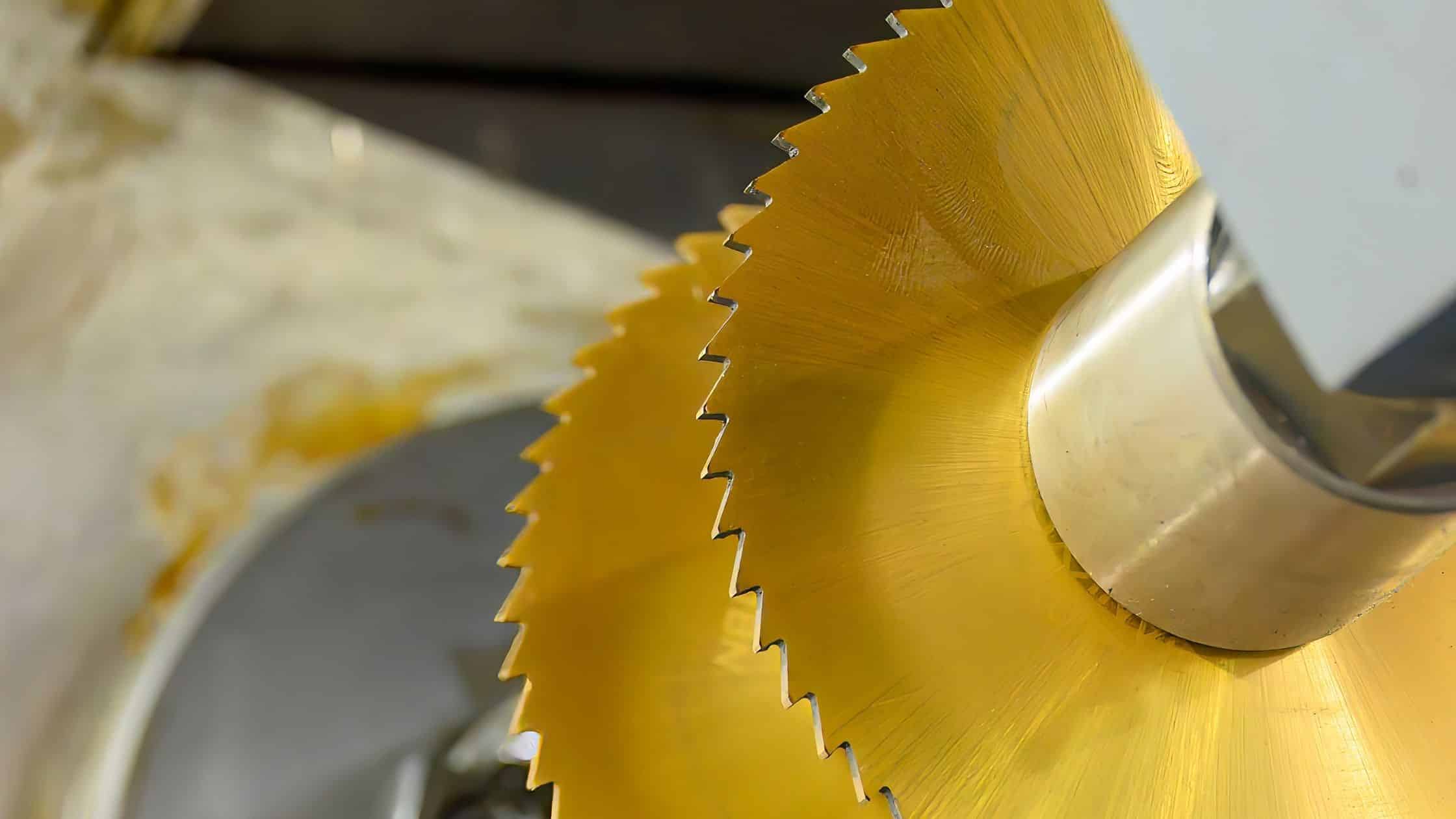
Slot milling involves cutting slots or keyways into a workpiece. The tool moves across the part while removing material to create a straight or curved slot.
This operation is frequently used in machine assembly and metal fabrication. Slot milling is an essential part of milling operations for creating paths for keys, fasteners, and other fittings.
Side Milling
Side milling involves cutting with the sides of the milling cutter, typically for creating flat vertical surfaces. It’s used for cutting steps, grooves, or side faces of the workpiece.
This technique allows for the removal of material in areas inaccessible by face milling, and it is highly valued in milling operations for achieving depth and edge precision.
Gang Milling
Gang milling uses two or more cutters mounted on the same arbor to perform multiple cuts in a single pass. It’s an efficient operation used when different surfaces must be machined together.
Among all milling operations, gang milling stands out for saving time and maintaining consistency when machining identical components on a large scale.
Profile Milling
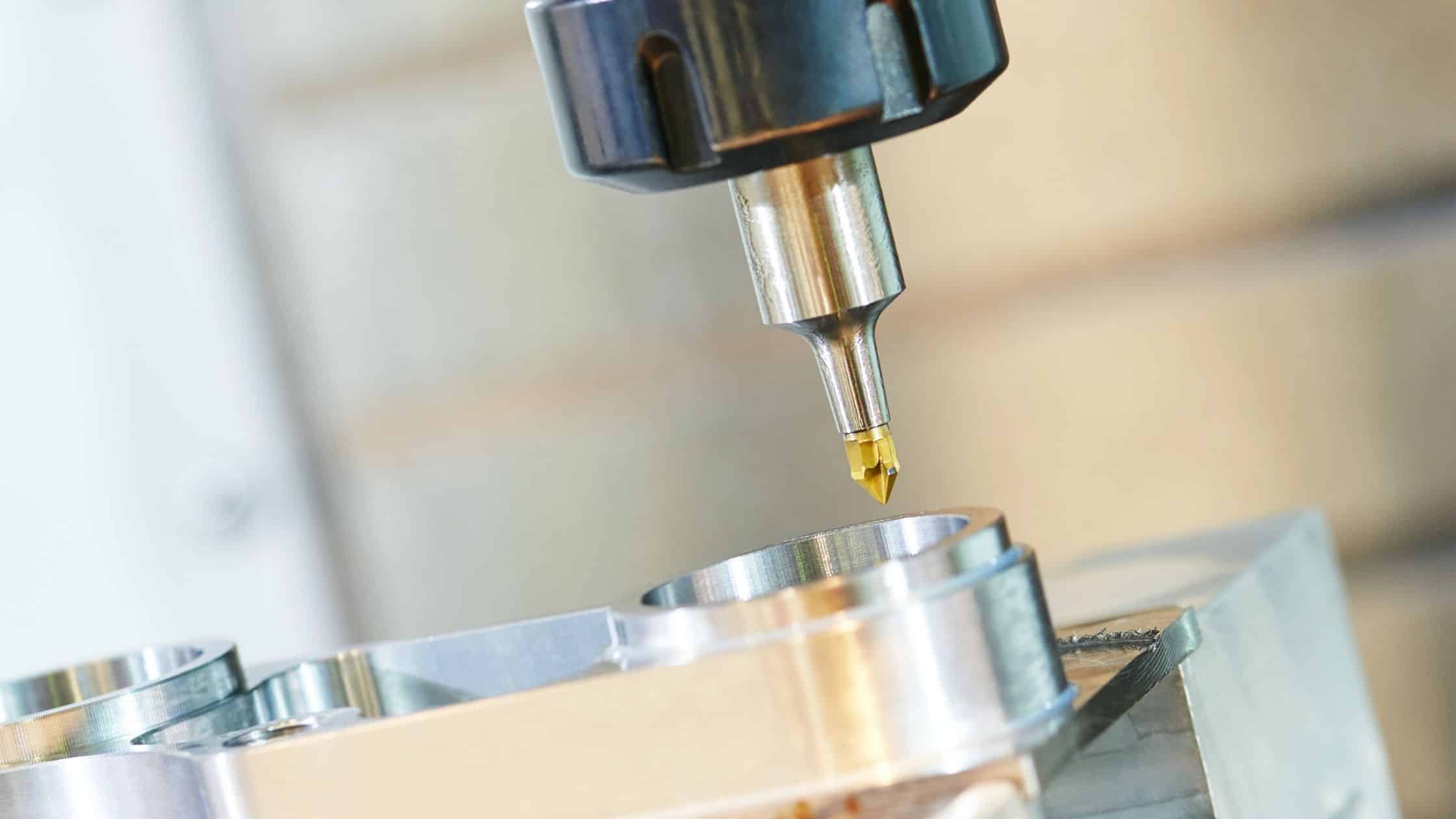
Profile milling creates complex shapes or contours on a workpiece surface. It follows the outline or contour of the part using vertical or angled cutters.
It’s especially useful in aerospace and mold industries where part profiles need exact replication. As part of advanced milling operations, it requires skilled programming in CNC environments.
Helical Milling
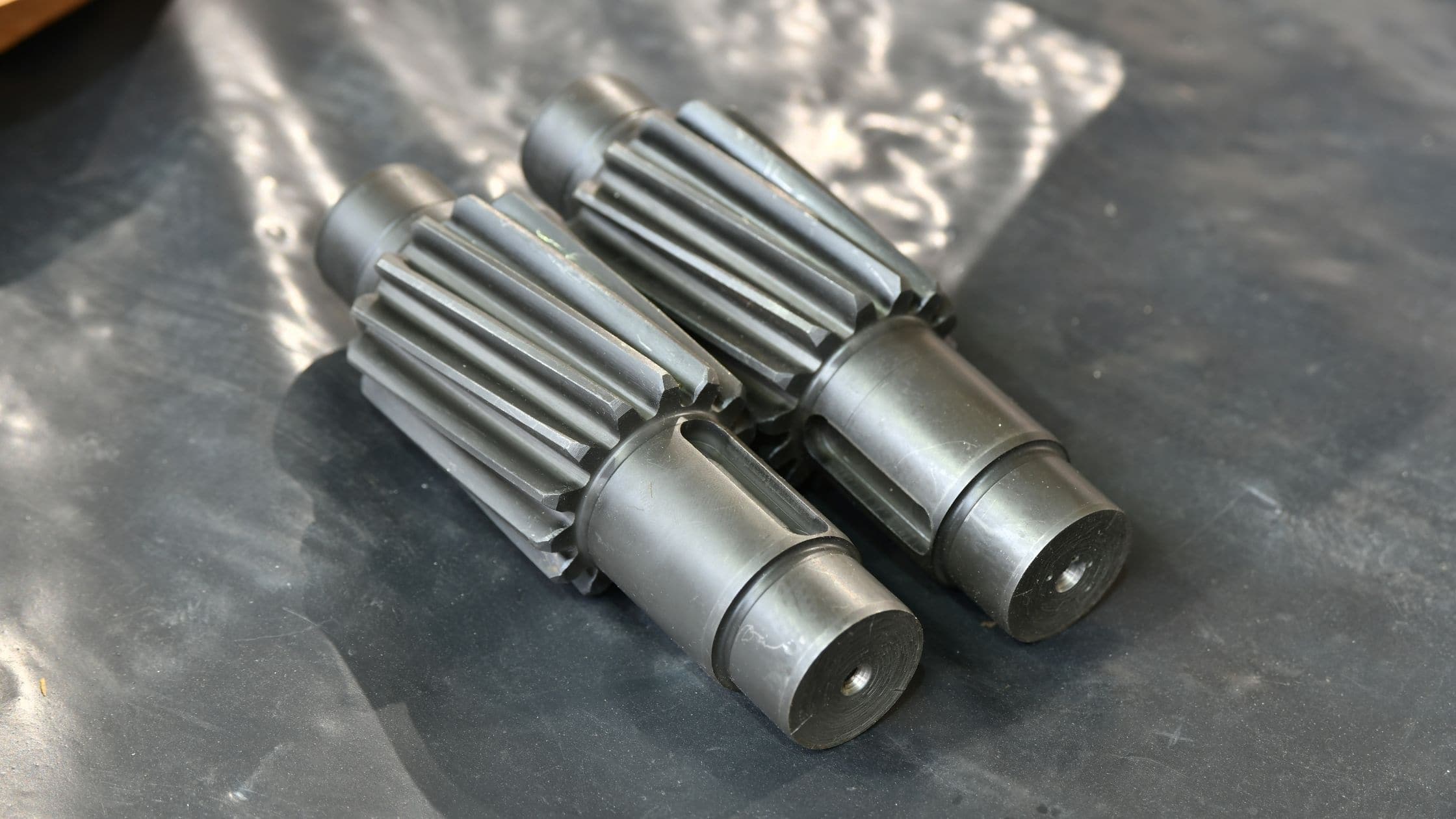
Helical milling is used to create helical grooves, threads, or complex contoured shapes. The tool follows a helical path rather than a straight one.
It’s commonly applied in thread cutting and tool making. This operation is among the more technical milling operations, often requiring multi-axis machining capabilities.
Gear Milling
Gear milling involves cutting gear teeth using a form cutter or CNC machine programmed to produce accurate gear profiles. It has a significant importance in the production of gearboxes and mechanical systems.
Among precision-based milling operations, gear milling is highly specialized and ensures the gear’s strength, noise reduction, and efficiency.
Thread Milling

Thread milling is a method of producing threads using a rotating tool that enters the material at a helical angle. Unlike tapping, this operation can produce both internal and external threads.
This is one of the more flexible milling operations since one tool can produce multiple thread sizes and types. It’s especially beneficial in hard materials and for reducing the risk of breakage.
End Milling
End milling uses a cutter with teeth on both the end and the side. It’s a versatile operation suitable for a range of applications, from slots to profiles and contours.
As one of the most common milling operations, end milling is used in nearly every machine shop. It supports rapid material removal and precise finishes.
Saw Milling
Of the milling operations, saw milling uses a narrow, disk-shaped cutter to produce deep, narrow slots similar to those made with a saw. It is ideal for cutting thin walls or separating components from stock material.
This technique allows for minimal material waste and is often used in metal fabrication and part finishing. It’s a niche but vital process within milling operations.