

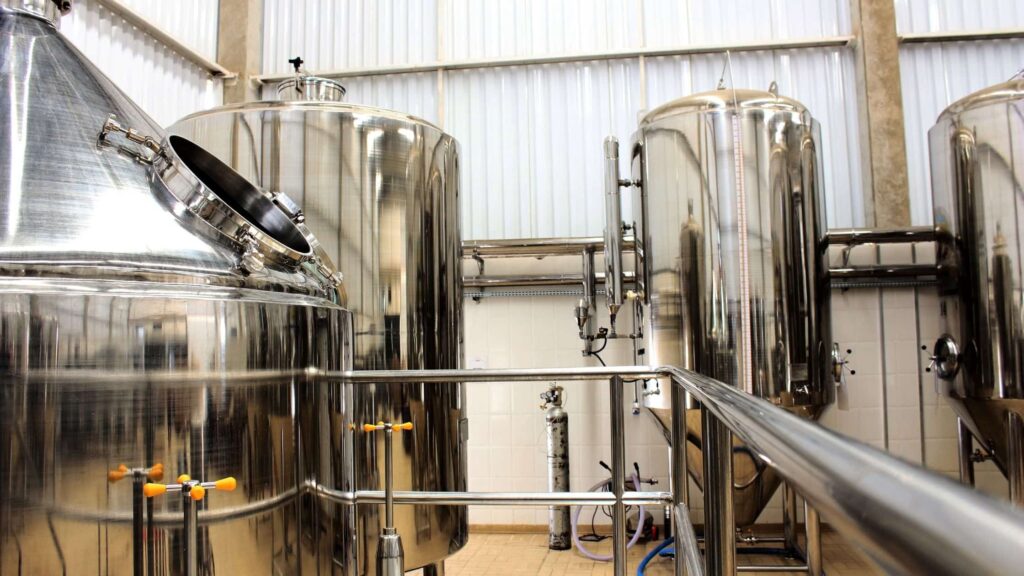
What Is The Highest Grade Of Stainless Steel?
he highest grade of stainless steel refers to a category of steel alloys with superior corrosion resistance, strength, and longevity compared to standard grades. These high-performance alloys are engineered to endure extreme environments, including acidic, marine, or high-temperature conditions. Any advanced stainless steel grade such as 316, 316L or 904L is designed for such important applications.Understanding the highest grade of stainless steel is essential for industries where durability and resistance to harsh conditions are non-negotiable. Applications ranging from chemical processing to offshore oil rigs demand the best-performing materials—and that’s where these advanced grades of stainless steel prove their value.
How Stainless Steel Is Graded?
Stainless steel is graded based on its composition, mechanical properties, and corrosion resistance. The grading systems vary by region, with AISI (American Iron and Steel Institute) and ASTM (American Society for Testing and Materials) being the most widely recognized in North America. Each grade of stainless steel is classified depending on the content of chromium, nickel, molybdenum, and other alloying elements.
The highest grade of stainless steel is determined by how well a material performs under corrosive environments, mechanical stress, and long-term wear. Generally, the more complex and refined the composition, the more premium the grade of stainless steel becomes, especially in demanding industrial settings.
What Makes A Stainless Steel Grade High?
A grade of stainless steel is considered high when it demonstrates exceptional resistance to oxidation, corrosion, and heat. These materials maintain their integrity in environments where lower grades would degrade, stain, or fail.
Key indicators of a high-quality grade of stainless steel include:
- High Chromium Content (≥18%)
- Nickel Content Above 8%
- Addition of Molybdenum (Mo) or Copper (Cu)
- Low Carbon Content (L Grade)
- Superior Tensile and Yield Strength
The highest grade of stainless steel will often include elements like molybdenum and copper, significantly improving pitting resistance and acid durability. These enhancements elevate the grade of stainless steel into premium categories used in fields like pharmaceuticals, desalination, and chemical processing.
Understanding 316 And 904L Stainless Steel Grades
rade 316 is commonly recognized as a high-performance grade of stainless steel, especially in marine and chloride-exposed environments. With its 2-3% molybdenum content, it offers better corrosion resistance than 304 and is widely used in food processing, marine hardware, and medical equipment.
However, 904L is widely acknowledged as the highest grade of stainless steel among commercially available options. This grade of stainless steel features higher levels of nickel, chromium, molybdenum, and copper. These elements make 904L highly resistant to sulfuric, phosphoric, and acetic acids, giving it a clear edge in aggressive environments.
Besides industrial use, 904L is also preferred in high-end products like luxury watches due to its polish, durability, and resistance to tarnishing. Its weldability and non-magnetic structure further enhance its position as an elite grade of stainless steel.
Applications Of The Highest Grade Of Stainless Steel
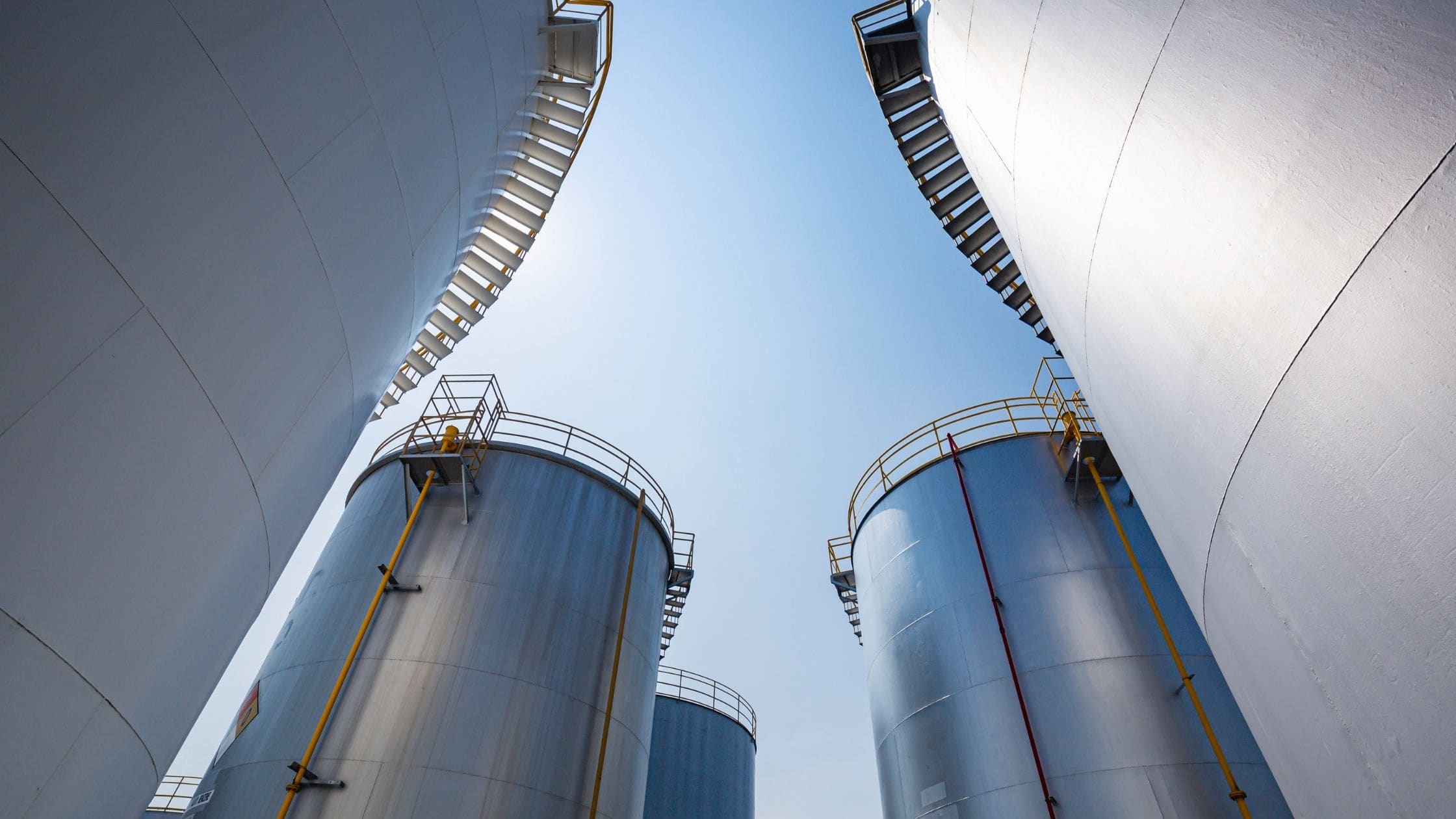
The highest grade of stainless steel is used in applications where average alloys cannot perform. From chemical tanks to marine hardware, this grade of stainless steel is engineered to survive in aggressive and corrosive settings.
Common Applications Include:
- Chemical Processing Equipment: Tanks, pipes, and valves requiring acid resistance
- Oil & Gas Industry: Offshore rigs, refineries, and subsea equipment
- Marine Engineering: Shipbuilding, desalination, and submerged systems
- Pharmaceuticals & Food Industry: Surfaces requiring hygiene and anti-corrosive performance
- Luxury Products: Watches and jewelry crafted from high-end grades of stainless steel
Using the correct grade of stainless steel ensures long-term durability and lower maintenance costs, especially in sectors where failure is not an option.
How To Choose The Right Stainless Steel Grade For Your Project?
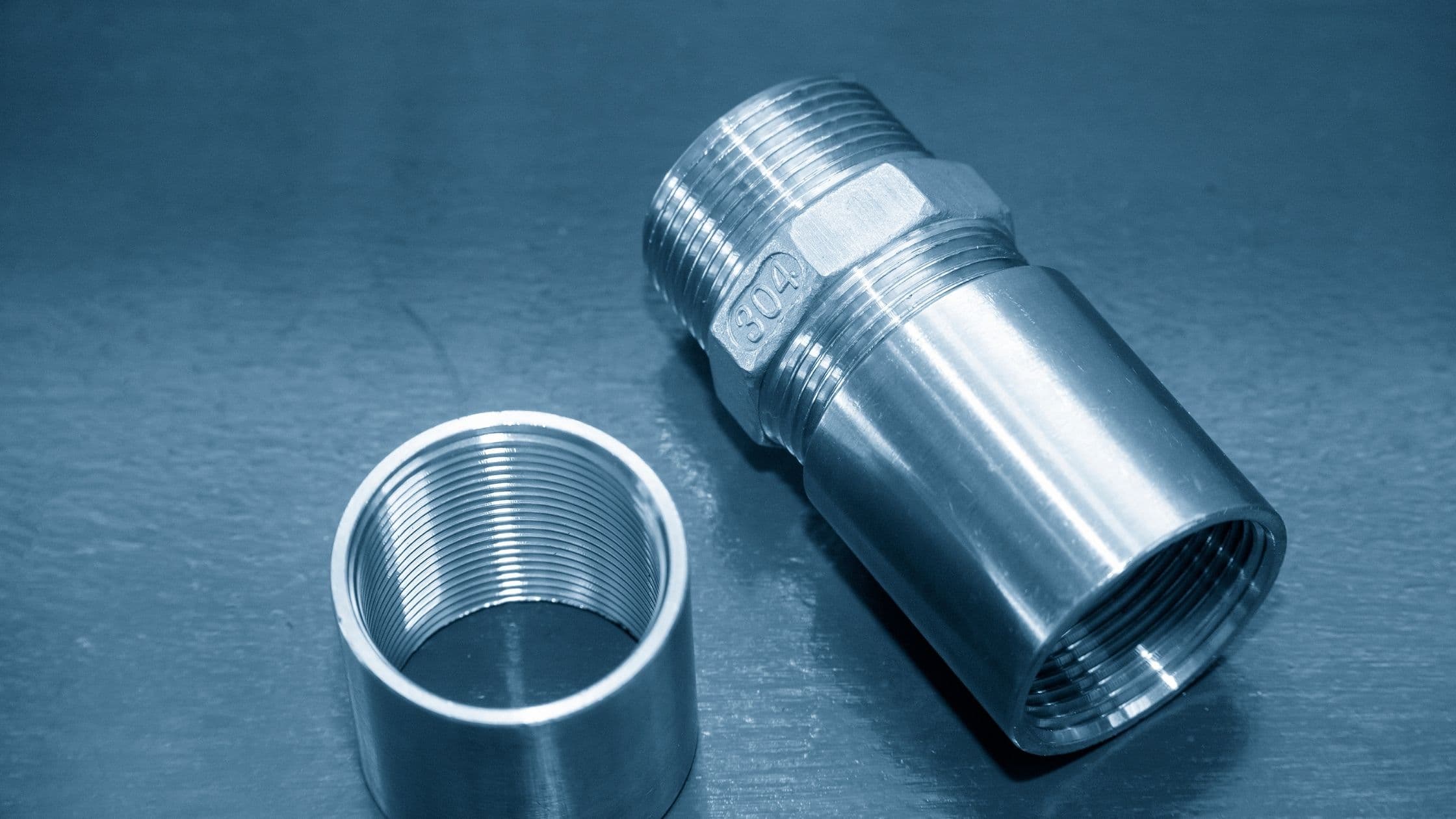
Choosing the right grade of stainless steel depends on several factors: environment, stress level, exposure to chemicals, and required finish. While 304 or 316 may be adequate for general purposes, marine or chemical exposure usually demands higher-performance options like 904L.
When durability, resistance, and lifecycle value are critical, opting for the highest grade of stainless steel makes a long-term difference. Consulting with a fabrication expert will help you determine the exact grade of stainless steel suitable for your application and ensure certification and quality are met.
Stainless Steel FAQs
What is the most expensive grade of stainless steel?
The most expensive grade of stainless steel is typically 904L, due to its high levels of chromium, nickel, molybdenum, and copper. Its exceptional corrosion resistance and suitability for harsh environments increase both its performance and cost.
Is 904L stainless steel stronger than 316?
904L is more corrosion-resistant than 316 but not necessarily stronger in terms of tensile strength. Its advantage lies in superior durability against acids and harsh chemical environments, making it part of the highest grade of stainless steel group.
Why is 316 stainless steel so expensive?
316 stainless steel contains molybdenum, which improves resistance to chlorides and makes it more expensive than 304. The additional alloying elements and broader industrial applications drive up production and market costs.
What are the grades of stainless steel in order?
Stainless steel grades are generally ordered by corrosion resistance and alloy content, starting from 304, followed by 316, 321, 347, and premium grades like 904L and duplex steels. Each grade serves different mechanical and environmental demands.
Which is better, 304 or 904L stainless steel?
904L stainless steel is better than 304 when it comes to corrosion resistance, especially in acidic and marine environments. However, 304 remains cost-effective for general-purpose use where such resistance is not critical.
What is the best version of stainless steel?
The best version of stainless steel depends on the application, but 904L is often considered the highest grade of stainless steel for its elite corrosion resistance, strength, and longevity in extreme conditions. It’s used in industries where failure is not an option.
Which is better, 2205 or 316 stainless steel?
2205 duplex stainless steel has higher strength and better stress corrosion resistance compared to 316. It is often preferred in demanding structural or marine environments where these properties are essential.
Is 904L stainless steel used for food?
Yes, 904L can be used for food processing, especially in environments where exposure to acidic substances is high. Its smooth surface finish and resistance to corrosion make it safe and hygienic for specialized applications.