

How to Make Structural Steel?
Structural steel is produced through a precise and controlled process that transforms raw iron into strong, durable components used in buildings, bridges, and industrial facilities. To make structural steel, manufacturers follow a sequence of steps that include sourcing high-grade materials, melting and refining metal, shaping the steel into standard forms, treating it for strength, and conducting rigorous quality inspections. At Nova Fabrication, we apply industry-leading technology and experience to ensure every piece of steel we produce meets structural and safety standards.
What Is Structural Steel and Why Is It Used?
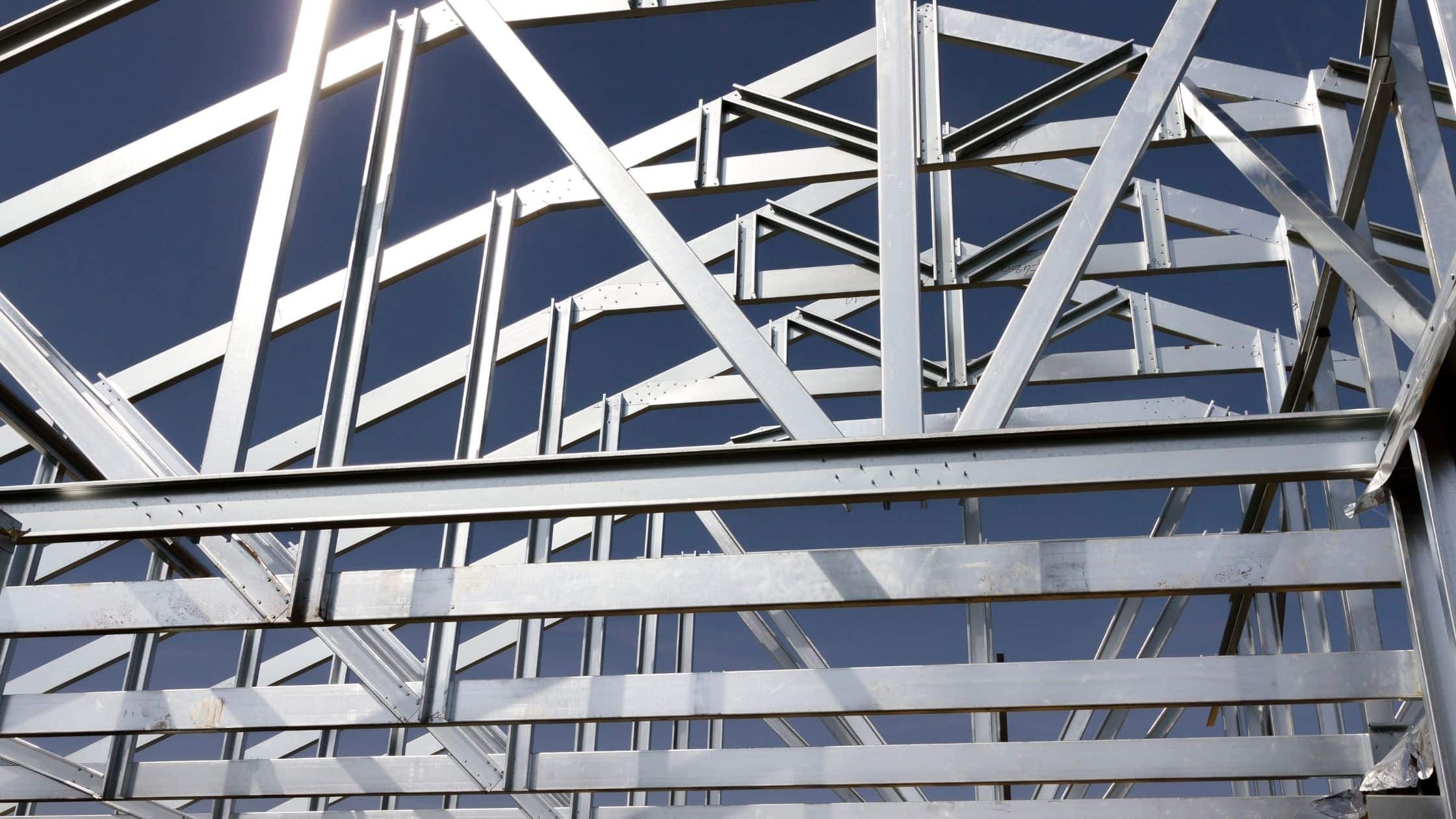
Structural steel is a category of steel designed specifically for use in construction and load-bearing applications. Its key advantages include high strength-to-weight ratio, flexibility in design, and excellent durability under various environmental conditions. Because of these properties, structural steel is used extensively in commercial buildings, industrial warehouses, bridges, and large-scale infrastructure.
To make structural steel, the focus is on producing material that not only meets dimensional standards but also performs reliably under stress, load, and long-term use. Unlike ordinary steel, structural steel must be manufactured with consistent composition and strength properties, making the production process both technical and quality-driven.
Materials and Equipment Needed to Make Structural Steel
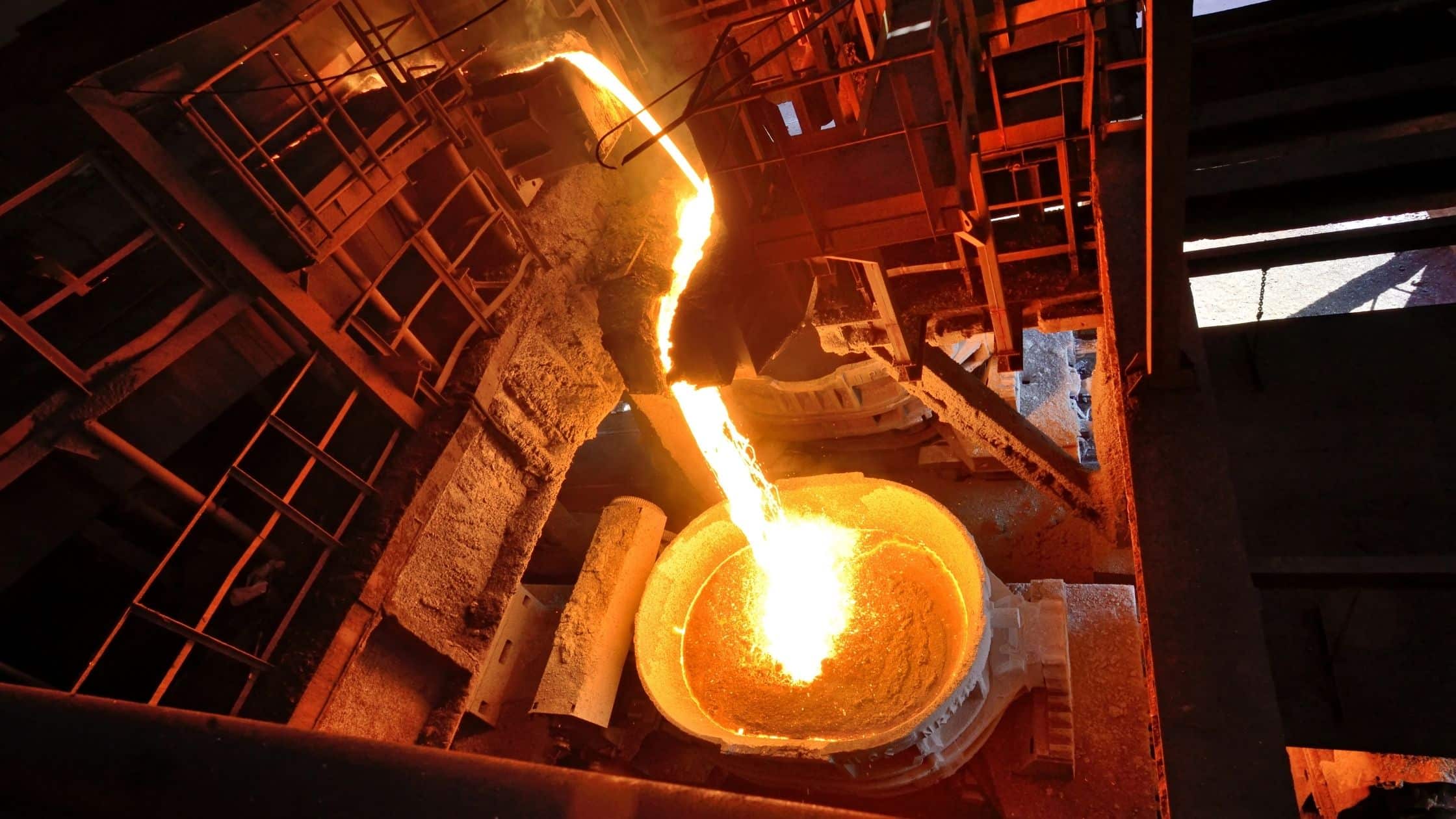
The first step to make structural steel is sourcing the correct raw materials. The base material is typically iron ore or recycled steel scrap. These materials are processed in blast furnaces or electric arc furnaces to remove impurities and add alloying elements like carbon, manganese, and silicon.
Equipment used to make structural steel includes:
- Furnaces (blast or electric arc) for melting raw iron
- Converters for refining and adjusting the chemical composition
- Continuous casters to solidify the molten steel
- Rolling mills to shape steel into beams, angles, or channels
- Heat treatment furnaces to enhance mechanical properties
- Surface coating machines to apply protective finishes
Modern machining facilities like Nova Fabrication utilise CNC machines and automated quality control systems to ensure precision and consistency throughout the entire machining process.
Step by Step Process to Make Structural Steel
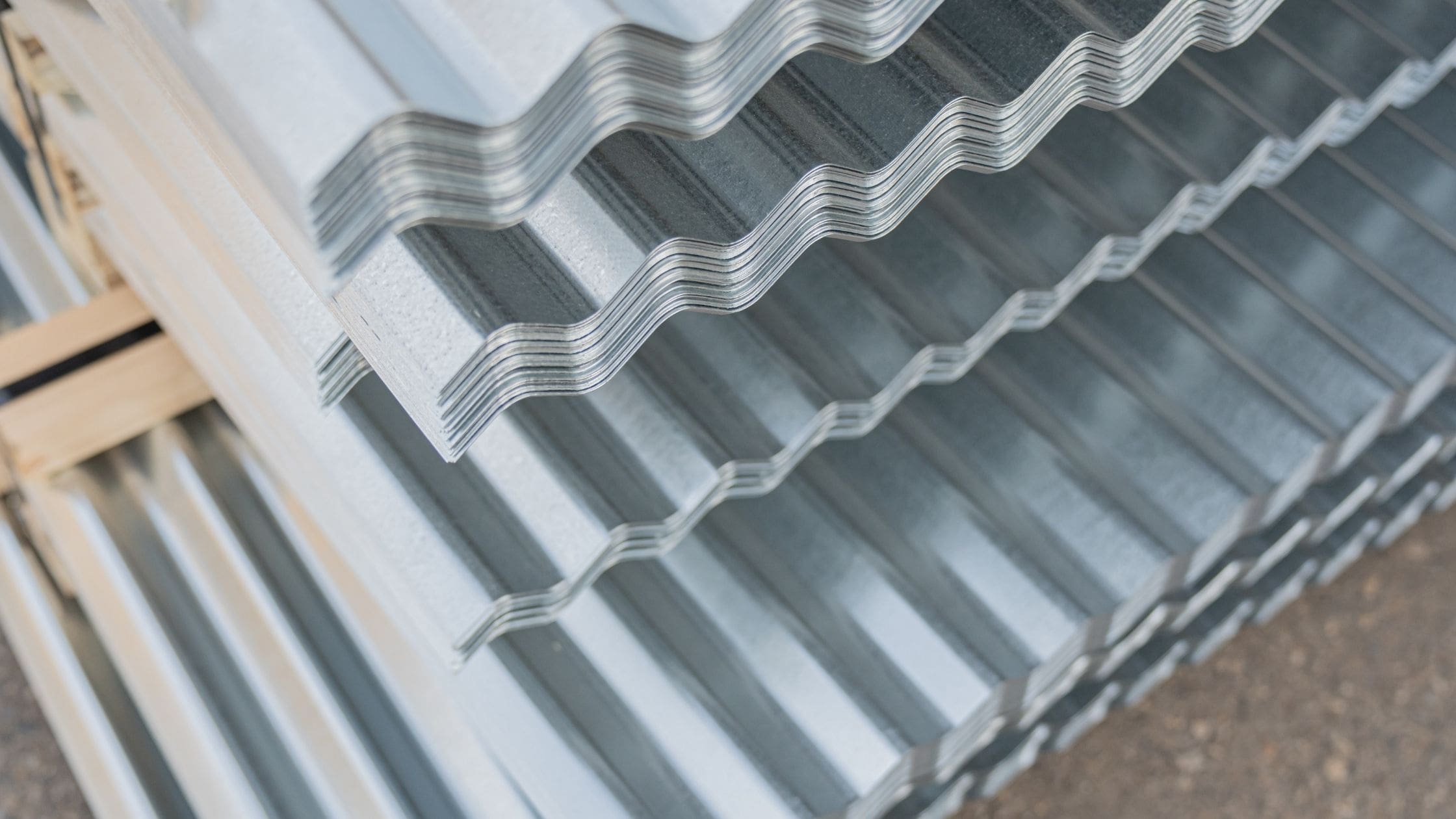
To effectively make structural steel, each stage must be executed with accuracy and adherence to industry standards. Here is the whole process step by step:
1. Melting and Refining
The process begins by melting raw iron or scrap steel in a furnace. Impurities are removed, and alloying elements are added to achieve the desired chemical composition.
2. Casting
In the casting process, the refined molten steel is then cast into semi-finished forms such as billets, blooms or slabs. These solid shapes form the basis for further processing.
3. Hot Rolling and Forming
The cast steel is reheated and passed through rolling mills, where it is shaped into structural profiles like I-beams, H-beams, channels, and angles. This step is crucial to make structural steel that meets engineering and architectural specifications.
4. Heat Treatment
Depending on the application, the steel may undergo controlled heating and cooling to increase strength, toughness, or ductility.
5. Surface Finishing
To protect against corrosion, the steel is cleaned and coated. Common finishes include galvanization, painting, or powder coating, depending on where and how the steel will be used.
Each phase to make structural steel contributes to the final product’s strength, performance, and long-term reliability.
Quality Control and Final Preparation
Before shipment, each batch of structural steel undergoes stringent quality control measures. These include dimensional inspections, material composition tests, mechanical property assessments and visual checks for surface defects.
At Nova Fabrication, we apply advanced non-destructive testing methods and certification processes to verify that each unit we deliver meets both regulatory and project-specific requirements. Once the steel passes final inspection, it is cut to order, labeled and prepared for transportation to the construction site.
To consistently make structural steel of the highest quality, the production process must be supported by documentation, traceability and continuous performance monitoring. This ensures that structural integrity and customer expectations are met without compromise.