

Electrical Panels and the Metal Industry: A Powerful Collaboration
Electrical panels are indispensable components of modern life and industry. These panels are complex systems that control, manage, and protect electrical distribution. However, many people are unaware of the critical role the metal industry plays in the production of these vital components.
The metal industry plays a fundamental role in the production of electrical panels. From the panel body to the conductors inside, from connection points to cooling systems, many components are produced using various metals. Therefore, there is a strong and indispensable link between electrical panel production and the metal industry.
In this article, we will examine the metals used in electrical panels, metal processing processes, and the effect of metal selection on panel performance. We will also discuss sustainable metal use and recycling. Through this, we will better understand the vital role of the metal industry in electrical panel production.
This symbiotic relationship between electrical panels and the metal industry is shaping the future of both the energy sector and the metal production sector. Innovation, quality, and sustainability are the cornerstones of this collaboration, and we can anticipate that these two sectors will continue to develop together in the future.

Metals Used in Electrical Panels
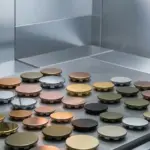
Various metals are used in the production of electrical panels. The unique properties of each metal allow it to be used in different components of the panel. Here are the most commonly used metals in electrical panels and their areas of use:
Copper:
- Conductivity: Copper is the most used metal in electrical panels due to its excellent electrical conductivity.
- Areas of use: Busbars, cables, grounding systems
- Properties: High conductivity, corrosion resistance, ease of shaping
Aluminum:
- Conductivity: One of the best conductive metals after copper.
- Areas of use: Busbars, cable trays, panel body
- Properties: Lightweight, corrosion resistance, cost-effectiveness
Steel:
- Durability: Preferred for its high strength.
- Areas of use: Panel body, mounting plates, support structures
- Properties: Robustness, fire resistance, magnetic properties
Stainless Steel:
- Corrosion resistance: Especially used in harsh environmental conditions.
- Areas of use: Outdoor panels, food and pharmaceutical industry applications
- Properties: High corrosion resistance, hygienic, aesthetic appearance
Brass:
- Machinability: Easy to shape and process.
- Areas of use: Fasteners, terminals, contactors
- Properties: Good conductivity, corrosion resistance, aesthetic appearance
Silver:
- High conductivity: One of the best conductive metals.
- Areas of use: Contacts, special applications
- Properties: Excellent conductivity, oxidation resistance
Tin:
- Coating: Generally used as a coating on other metals.
- Areas of use: Connection points, soldering processes
- Properties: Corrosion resistance, solderability
Each of these metals has special roles in different components of electrical panels. For example, while copper busbars provide electrical conduction, the steel body provides mechanical protection and structural support. Aluminum is particularly preferred in large-scale panels due to its lightness and good conductivity.
Metal selection may vary depending on the intended use of the panel, operating environment, and cost factors. For example, corrosion-resistant stainless steel may be preferred for a panel to be used by the sea, while aluminum may be preferred in applications where weight is critical.
Electrical panel manufacturers should understand the properties of these metals well and choose the most suitable metal combinations for the application. The right metal selection directly affects the performance, reliability, and lifespan of the panel.
Metal Processing and Electrical Panel Production
The metals used in electrical panel production go through various processing stages to reach their final form. These processes directly affect the quality, durability, and performance of the panel. Here are the main metal processing processes used in electrical panel production:
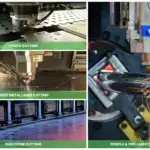
Cutting and Shaping:
- Precise cuts are made using CNC (Computer Numerical Control) cutting machines.
- Laser cutting, plasma cutting, and water jet cutting technologies are used.
- Bending machines shape the panel body and internal components.
Drilling and Punching:
- Precise holes are made for cable entries, mounting holes, and ventilation openings.
- CNC punch presses are used for fast and precise punching operations.
Welding:
- TIG (Tungsten Inert Gas) and MIG (Metal Inert Gas) welding methods are used.
- Spot welding is frequently used in joining the panel body.
- Laser welding is preferred for precise and strong connections.
Surface Treatment:
- Surfaces are smoothed by sandblasting or sanding.
- Phosphating process prepares metal surfaces against corrosion.
- Anodizing is used especially on aluminum components.
Painting and Coating:
- Electrostatic powder coating is widely used.
- Liquid paint systems may be preferred in special applications.
- Galvanized coating provides corrosion resistance in steel components.
CNC Machining:
- CNC milling and lathe machines are used for precision parts.
- Special fasteners and mounting parts are produced.
Press Operations:
- Large metal sheets are shaped using hydraulic presses.
- Cold forming is used to produce panel body and internal components.
Soldering:
- Used in the assembly of electronic components and some electrical connections.
- Lead-free soldering technologies are preferred for environmentally friendly production.
Heat Treatment:
- Processes such as annealing and hardening are applied to improve the mechanical properties of metals.
- Especially used in components requiring high strength.
Quality Control:
- CMM (Coordinate Measuring Machine) is used for dimensional measurements.
- X-ray and ultrasonic tests check welding quality.
- Electrical tests verify the functionality of the panel.
These metal processing processes are critical in electrical panel production, which requires high precision and quality. In modern production facilities, most of these processes are automated and managed by computer-controlled systems. This increases production speed while minimizing human-induced errors.
Electrical panel manufacturers aim to produce more durable, efficient, and safer panels by optimizing these metal processing processes. Additionally, waste minimization and resource optimization are ensured, considering sustainability and energy efficiency.
In conclusion, metal processing processes are one of the most important factors determining the quality and performance of electrical panels. Therefore, close cooperation between panel manufacturers and metal processing experts is vital for the development of the industry.

The Impact of Metal Selection on Electrical Panel Performance
The selection of metals used in electrical panels directly affects the overall performance, reliability, and lifespan of the panel. Proper metal selection optimizes the electrical, mechanical, and thermal properties of the panel, ensuring more efficient and safer operation. Here are the effects of metal selection on electrical panel performance:
Electrical Conductivity:
- Highly conductive metals like copper and aluminum minimize energy losses.
- Good conductivity reduces panel heating and increases energy efficiency.
Heat Management:
- Metals with high thermal conductivity, such as aluminum, help cool the panel.
- Effective heat management extends the life of components and improves performance.
Corrosion Resistance:
- Corrosion-resistant metals like stainless steel or aluminum extend the panel’s life in harsh environmental conditions.
- Corrosion resistance reduces maintenance costs and increases reliability.
Mechanical Durability:
- High-strength metals like steel increase the panel’s resistance to physical impacts and vibrations.
- Mechanical durability ensures long-term reliability of the panel.
Weight:
- Lightweight metals like aluminum provide ease of transportation and installation in large-scale panels.
- Lightness contributes to energy efficiency, especially in mobile applications.
Electromagnetic Compatibility (EMC):
- Metals with magnetic properties help reduce electromagnetic interference.
- EMC compliance is critical in environments with sensitive electronic equipment.
Thermal Expansion:
- The thermal expansion coefficients of different metals affect the panel’s response to temperature changes.
- Compatible thermal expansion properties reduce stress at connection points.
Cost-Effectiveness:
- More economical metals like aluminum help reduce production costs.
- The cost-performance balance affects the overall efficiency of the project.
Recycling and Sustainability:
- Recyclable metals reduce the environmental impact of the panel.
- Sustainable metal selection helps companies comply with environmental policies.
Special Applications:
- Some applications may require the use of special metal alloys or rare metals.
- For example, special alloys may be preferred in applications requiring high temperature resistance.
When selecting metals, the intended use of the panel, operating environment, expected lifespan, and cost factors should be considered. For example, corrosion-resistant stainless steel might be preferred for a panel to be used by the sea, while aluminum might be more suitable for an application where weight is critical.
Moreover, the combination of different metals can also optimize the panel’s performance. For instance, a combination of copper busbars with an aluminum body can provide both good conductivity and lightness.
In conclusion, the correct metal selection in electrical panels directly affects the panel’s performance, reliability, and lifespan. Therefore, panel designers and manufacturers should conduct detailed analyses to determine the most suitable metal combination for each application. Proper metal selection not only improves the technical specifications of the panel but also positively affects factors such as energy efficiency, cost-effectiveness, and sustainability.
Sustainable Metal Use and Recycling
Sustainability and environmentally friendly practices are gaining increasing importance in electrical panel production. The metal industry and electrical panel manufacturers are developing various strategies for efficient use of resources and reduction of environmental impacts. Here are important points regarding sustainable metal use and recycling in electrical panel production:
Use of Recycled Metals:
- Recycled materials obtained from scrap metals can be used in new panel production.
- Metals such as aluminum and steel are highly recyclable.
Energy-Efficient Production Processes:
- Technologies that increase energy efficiency in metal processing and panel production processes are used.
- Heat recovery systems help reduce energy consumption.
Waste Minimization:
- Precision cutting technologies minimize metal waste.
- Production waste is included in the recycling process.
Long-Life Design:
- Designing durable and long-lasting panels reduces the need for replacement.
- Modular designs extend the panel’s life by facilitating part replacement.
Environmentally Friendly Coating and Painting Techniques:
- Water-based paints and powder coating technologies reduce volatile organic compound (VOC) emissions.
- Chrome-6 free coating techniques are preferred.
Local Supply Chain:
- Working with local metal producers reduces carbon emissions from transportation.
- It contributes to the local economy and increases supply chain transparency.
Product Life Cycle Analysis:
- The entire life cycle of panels is analyzed from production to end of use.
- These analyses guide sustainability improvements.
Use of Renewable Energy:
- Renewable energy sources such as solar panels or wind turbines are used in production facilities.
- Strategies are developed to reduce carbon footprint.
Smart Recycling Systems:
- Advanced separation technologies effectively separate different types of metals.
- Automatic classification systems increase recycling efficiency.
Education and Awareness:
- Sustainability training is organized for employees and customers.
- Consumers are informed about panel recycling.
Certification and Standards:
- Environmental management systems such as ISO 14001 are implemented.
- Panel production is carried out in accordance with green building certifications.
Innovation and R&D:
- Research is conducted for more sustainable materials and production methods.
- Innovative solutions such as bio-based materials and nanotechnology are explored.
Sustainable metal use and recycling are critical for the future of the electrical panel industry. These practices not only reduce environmental impacts but also provide cost savings and increase companies’ competitiveness. The electrical panel manufacturers and metal industry continue to develop solutions for a greener and more sustainable future by working in collaboration.