
How Does the Bespoke Metal Fabrication Process Work? 6 Steps from Initial Sketch to Assembly
From industrial projects to architectural designs, automotive spare parts to security barriers, bespoke metal fabrication is the most effective solution where standard products fall short. So, how does the journey of turning an idea in your mind into a tangible and usable product work? Based on the international quality standard services offered by Nova Fabrication, one of Turkey’s leading manufacturers, we have compiled the 6-step production process from the first sketch to assembly for you.
1. Design & Engineering
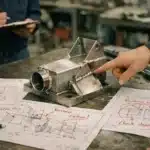
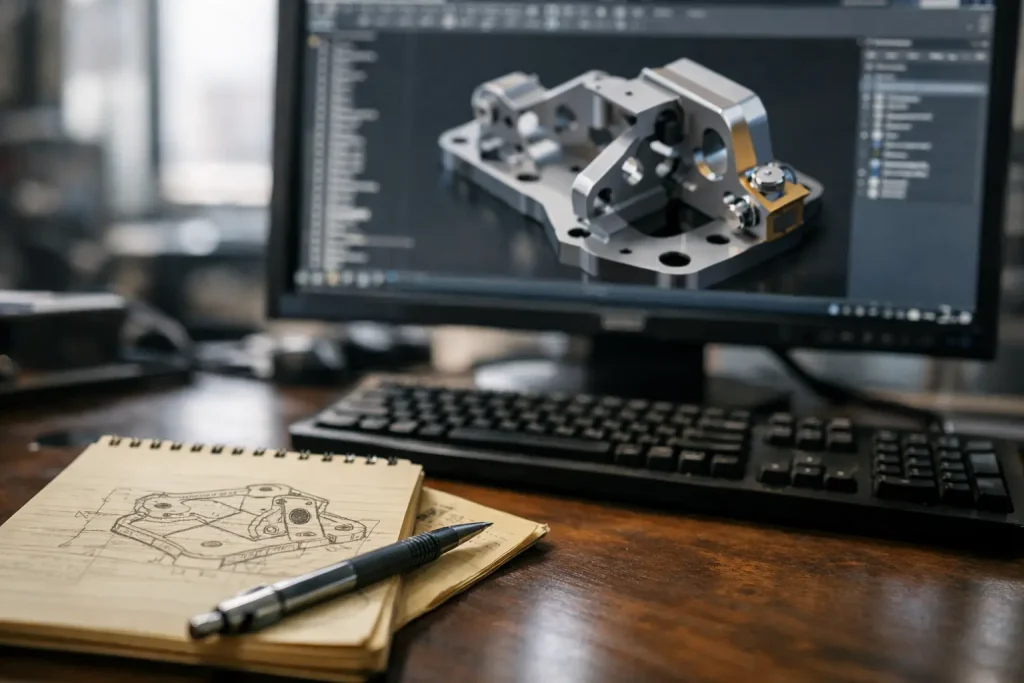
Every successful metal fabrication project starts with solid engineering planning. Your ideas, rough sketches, or prototypes are converted into detailed 3D models using CAD (Computer-Aided Design) software by expert engineers. At this stage, not only aesthetics but also the functionality, durability, and manufacturability of the part are optimized .
2. Selection and Procurement of the Right Material
The most critical stage after the design is approved is the selection of the right material. Carbon steel, stainless steel, or various alloys are determined based on where the part will be used, the weight it will be exposed to, and environmental conditions (humidity, heat, etc.). Especially when corrosion resistance is required, the procurement of the most suitable materials for high-quality stainless steel production is ensured .
3. Laser Cutting and Shaping
Once the materials enter the production line, the first physical intervention is the cutting process. Using high-speed and ultra-precise sheet metal laser cutting and profile/tube laser cutting technologies, parts are cut with millimetric accuracy. Even designs with complex geometries are processed with micron-level precision, minimizing material waste .

4. Bending & Machining
Bending is the stage where two-dimensional metal sheets or profiles acquire their final three-dimensional forms. Thanks to bending processes performed using advanced CNC press brakes, metals are given the desired angles . If your project involves structures requiring more detailed and fine craftsmanship, precision machining steps such as CNC turning and milling come into play to ensure the flawless production of the product .
5. Welding
The shaped parts are joined using welding techniques that meet the most demanding requirements of the industry. Within the scope of expert welding services, MIG-MAG (GMAW), TIG (GTAW), spot welding, or robotic welding methods are used according to the type of material . This process makes both structural integrity and visual unity permanent.

6. Surface Coating and Quality Control
The final touches are made to increase the durability of the manufactured part against external factors (rust, corrosion, wear) and to provide an aesthetic appearance. Depending on the intended use of the product, surface coating processes such as electrostatic powder coating, wet paint, hot-dip galvanizing, anodizing, or PVD coating are applied . In the final step, the products are passed through international quality assurance (QA) and quality control (QC) tests, approved with 100% accuracy, and safely packaged, ready for delivery .
If you are looking for competitive prices and an expert solution partner while bringing your projects to life, you can get detailed information and a quote by easily contacting us through our website .