
Metal Cabinet Production
Metal cabinets offer advantages in terms of durability, safety and aesthetics are preferred storage and protection solutions in many sectors. From industrial facilities to offices, hospitals to kitchens, metal storage solutions have a wide range of uses cabinets meet every need with customizable designs and different metal options can give.
In this article, we will explain the metal cabinet manufacturing process, materials used, applications and design trends in more detail.
Metal Cabinet Design and Engineering
The metal cabinet manufacturing process starts with the design and engineering phase. In this phase
In line with customer needs and requirements, the functionality and aesthetics of the cabinets combine
are brought together. 3D models are created using CAD software and technical drawings
are prepared. These drawings show the dimensions of the cabinet, compartments, shelves, doors, locks
systems and all other features in detail.
During the design phase, the type of metal to be used, its thickness and surface treatments are also determined.
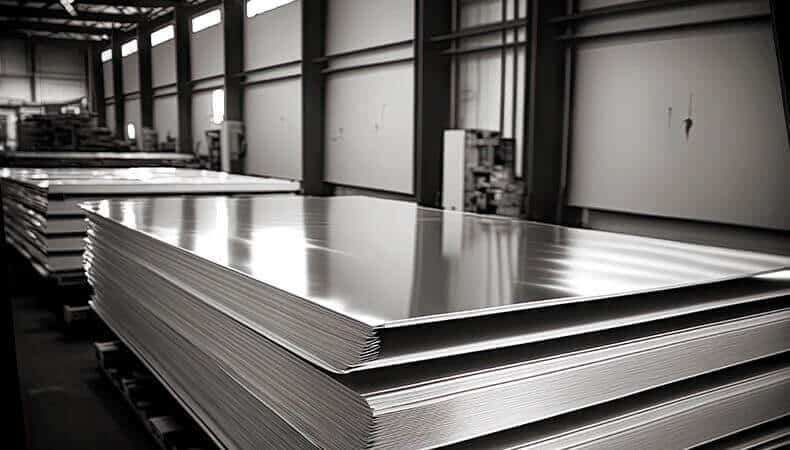
The choice of metal is based on the intended use of the cabinet, durability requirements and budget. There are different metal options such as stainless steel, aluminum and steel.
Metal Cutting Techniques
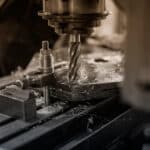
After the design and engineering phase, the cutting of the metal sheets takes place.
Different techniques can be used for metal cutting:
- Laser cutting: Provides high precision and clean cutting. Ideal for cutting parts with complex geometries. The laser beam melts or vaporizes the metal sheet cuts. This results in smooth and burr-free surfaces.
- Plasma cutting: Suitable for cutting thick metal sheets. It is a fast and economical method. The plasma arc melts and cuts the metal sheet.
- Water jet cutting: Can be used for cutting all kinds of metals and other materials. Heat cutting.
ensures precise cutting as there is no impact. The high-pressure water jet abrades and cuts the sheet metal. - CNC punch press: Suitable for mass production of standard geometry parts. Fast speed
and repeatable cutting. The punch press punches holes in the sheet metal or
cut out shapes.
Metal Bending and Forming
The cut metal pieces are bent and shaped to form the body and other components of the cabinet. Different methods can be used for this process:
- CNC press brake: Provides high precision and repeatability. Ideal for complex bending operations. CNC-controlled press brake bends sheet metal at the desired angle.
bends - Hydraulic press: Suitable for bending thick metal sheets. High force
can apply it. The hydraulic press bends the sheet metal by compressing it between dies. - Cylinder bending: Used to create cylindrical or conical shapes. Metal bending.
The sheet is bent by passing it between the rollers.
Metal Welding Methods
Bent and shaped metal parts are joined by welding. Metal welding
Different methods can be used for:
- MIG welding: It is a fast and economical method. Steel, stainless steel and
is used for welding many metals such as aluminum. In MIG welding, continuous
A fed wire electrode and shielding gas are used. - TIG welding: Provides high quality and clean welds. Used for precision applications and welding thin sheets of metal. In TIG welding, tungsten electrode and
shielding gas is used. - Laser welding: Provides high precision and low heat effect. Precision applications
and for welding different types of metals. The laser beam melts metals
joins. - Resistance welding: Different resistance welding methods are available, such as spot welding and seam welding. Suitable for mass production. In resistance welding, metals are joined using electric current and pressure.
Metal Surface Treatment and Coating
After welding, the surface of the metal cabinet is treated and coated. This process is used to improve the aesthetic appearance of the cabinet, protect it against corrosion and increase its durability.
is made for. Common surface treatment and coating methods are:
- Powder coating: Provides a durable and aesthetic coating. Powder coatings are available in different colors and textures. Powder coating is electrostatically sprayed onto the metal surface and then baked.
- Wet paint: A more economical option than powder coating. It offers different color and gloss options. Wet paint is applied with a brush, roller or spray gun.
- Anodizing: Increases corrosion resistance on aluminum surfaces and provides an aesthetic appearance. Anodizing is an electrochemical process and creates an oxide layer on the aluminum surface.
- Galvanized: Improves corrosion resistance on steel surfaces. Galvanizing is the coating of steel with zinc.

Metal Cabinet Assembly and Quality Control
Once all parts are prepared, the metal cabinet is assembled. Assembly is usually done with screws, rivets or welding. After assembly, the quality of the control is performed. At this stage, the dimensions, tolerances, weld quality and surface
operations are checked.
Metal Cabinet Materials: Options for Every Need
Different types of metal can be used in the production of metal cabinets:
- Stainless steel: High corrosion resistance, durability and hygienic properties
therefore it is particularly preferred in the food, medical and chemical industries. - Aluminum: Lightweight, corrosion resistant and easy to process.
It provides design flexibility and is suitable for various surface treatments. - Steel: A durable and cost-effective material. With various coating options
different aesthetic appearances can be achieved. - Other Metals: Used for special applications such as copper, brass, titanium
metals are also available.
Metal Cabinet Applications: A Wide Area of Use
- Industrial Metal Cabinets: Used in industrial applications such as control panels, electrical panels, machine enclosures, storage systems.
- Commercial Metal Cabinets: Office furniture, storage systems, showcases, archives
used in commercial applications such as cabinets. - Medical Metal Cabinets: Used in medical applications such as medical device enclosures, medicine cabinets, sterilization units.
- Food Industry Metal Cabinets: Hygienic and corrosion resistant cabinets are used in food processing and storage areas.
Metal Cabinet Design and Trends: Modern and Functional Solutions
Metal cabinet designs range from modern and minimalist to classic and industrial aesthetics. Customized metal cabinet solutions, designed according to customer needs and with different color, coating and material options can be personalized.