
Metal products are widely used in industrial manufacturing, architectural applications, machinery components, outdoor equipment, storage systems, cabinets, and many other areas. However, metal surfaces can wear down over time due to moisture, chemicals, outdoor conditions, friction, and mechanical impact. This directly affects both the appearance and service life of the product.
At this point, surface coating becomes a critical manufacturing step that helps metal products become more durable, longer-lasting, and visually refined. When the right coating method is selected, a metal part does not only look better; it also becomes more resistant to corrosion, scratches, abrasion, and environmental effects.
At Nova Fabrication, we focus not only on the shape and function of a metal part, but also on its final usage conditions and surface performance. With our surface coating services, we provide durable and professional coating solutions tailored to the needs of different industries.
What Is Surface Coating?
Surface coating is the process of applying a protective or decorative layer to the outer surface of a metal part. This process can be carried out using different methods depending on the product’s application area, environmental exposure, expected appearance, and technical requirements.
The main purposes of metal surface coating are:
- To protect the metal surface against corrosion
- To improve wear and scratch resistance
- To provide an aesthetic and professional appearance
- To extend product life
- To reduce maintenance requirements
- To increase resistance against outdoor conditions, moisture, chemicals, and mechanical impact
Especially for metal products used outdoors, surface coating is one of the most important factors that determines long-term product quality.
Why Does Corrosion Occur on Metal Products?
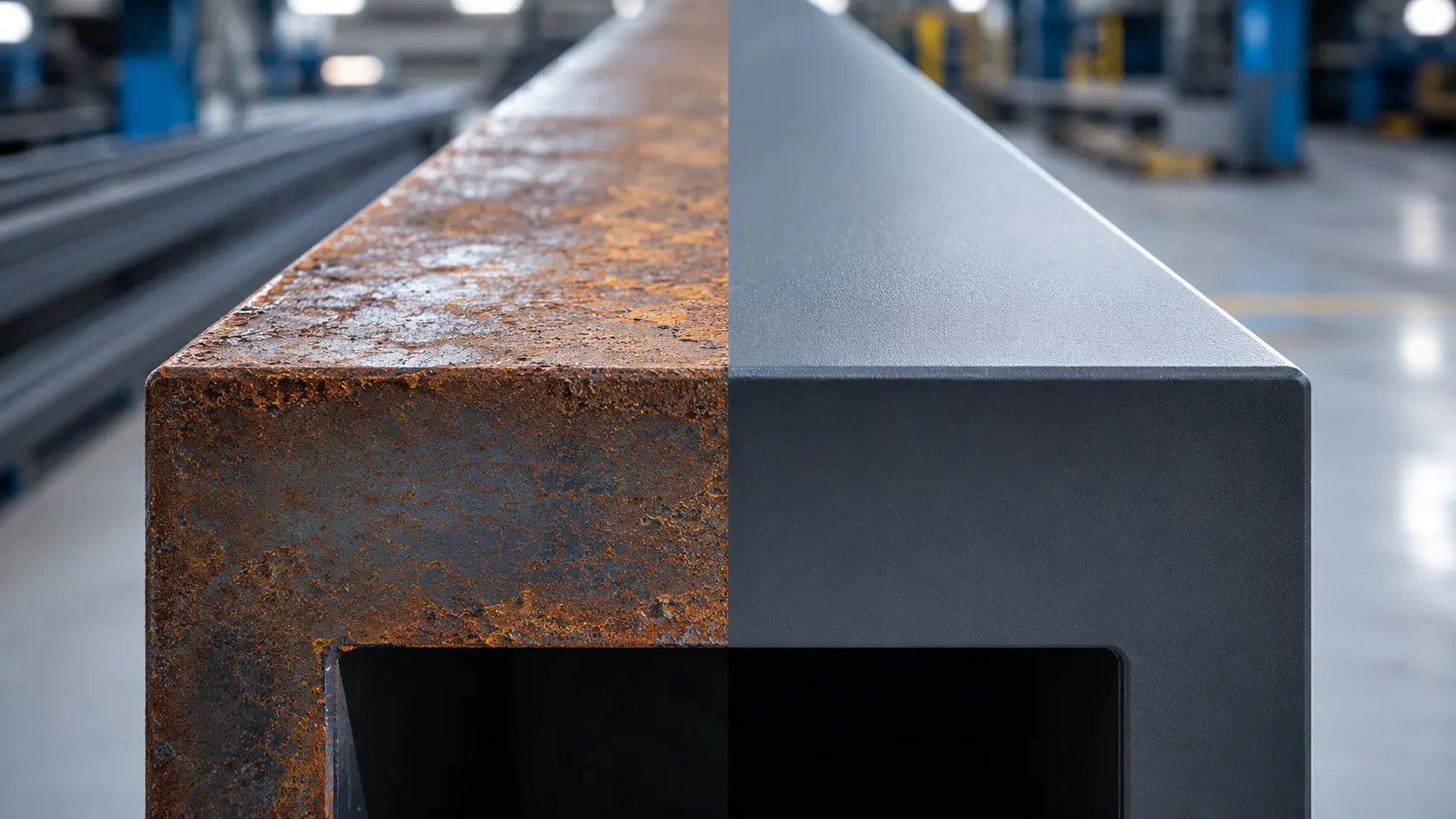
Corrosion is the deterioration of a metal surface caused by chemical or electrochemical reactions with its environment. The most common example is rust. Steel and iron-based products, in particular, may rust over time when exposed to moisture and oxygen for long periods.
The main causes of corrosion include:
- Moisture and rainwater
- Salty environments, such as coastal areas
- Exposure to chemicals
- Air pollution
- Poor surface preparation
- Incorrect coating selection
- Mechanical damage or scratches
Corrosion is not only a visual problem. Over time, it can reduce the structural strength of the metal, affect the function of the part, and increase maintenance costs. For this reason, surface coating is an essential step for long-term performance in metal products.
How Does Surface Coating Improve the Appearance of Metal Products?
Appearance is highly important in metal products used for architectural applications, machine covers, cabinets, shelving systems, decorative parts, and custom-made components. The right surface coating process helps the product look more refined, consistent, and professional.
Surface coating can provide the following visual advantages:
- A smoother and more uniform surface finish
- Matte, glossy, semi-matte, or special-effect finish options
- A wide range of color alternatives
- Surface design suitable for brand identity
- A cleaner and more premium product perception
- Reduction of visible surface imperfections
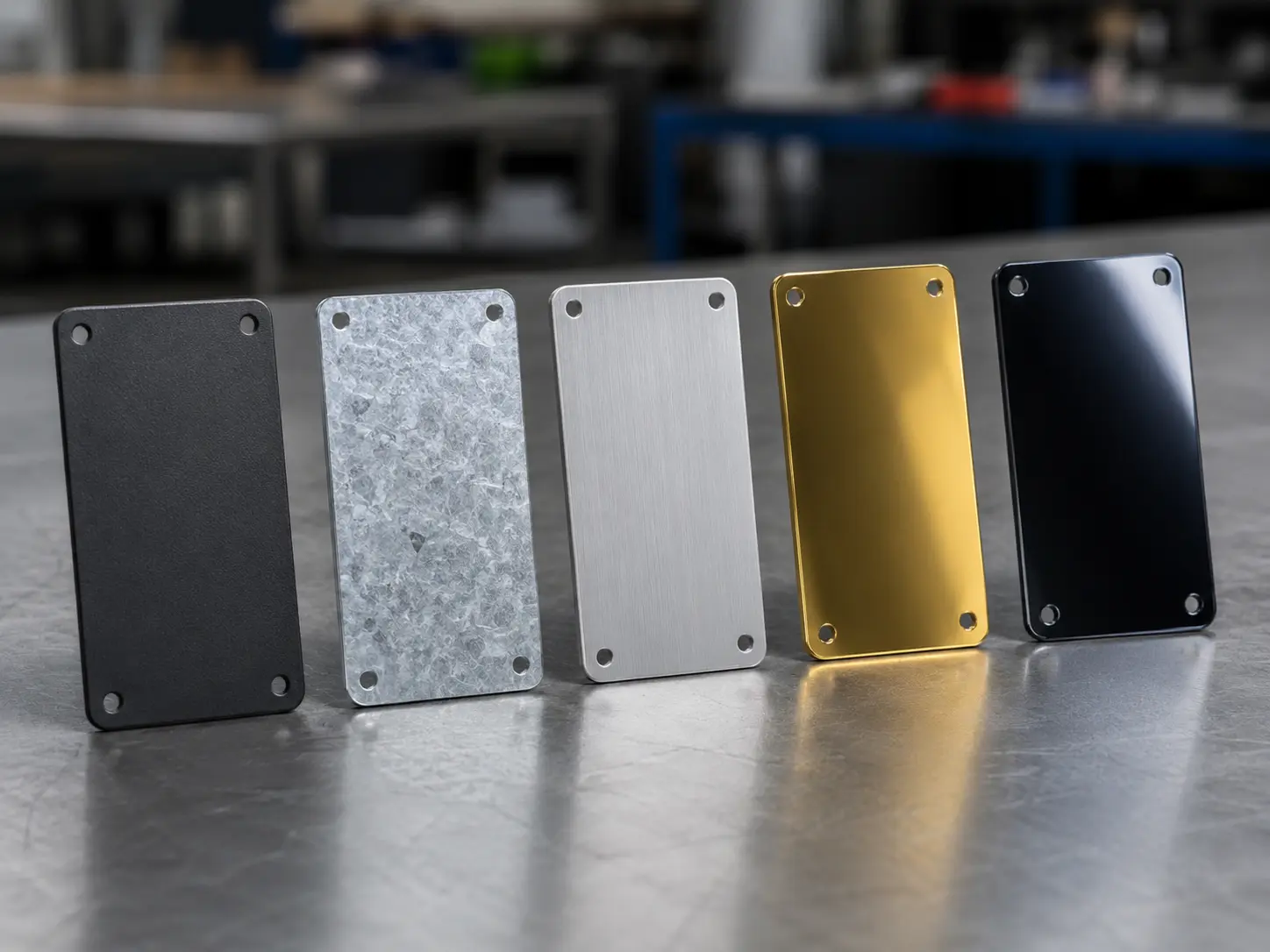
For example, electrostatic powder coating is widely preferred for many applications, from industrial products to metal cabinets, due to its color variety and durable surface structure. PVD coating, on the other hand, is a strong option for metal parts where both high durability and a premium appearance are required.
The Most Common Metal Surface Coating Methods
There are different surface coating methods that can be used for metal products. Each method has its own advantages, application areas, and performance characteristics. Therefore, coating selection should be made by considering where the product will be used, what conditions it will be exposed to, and what type of appearance is expected.
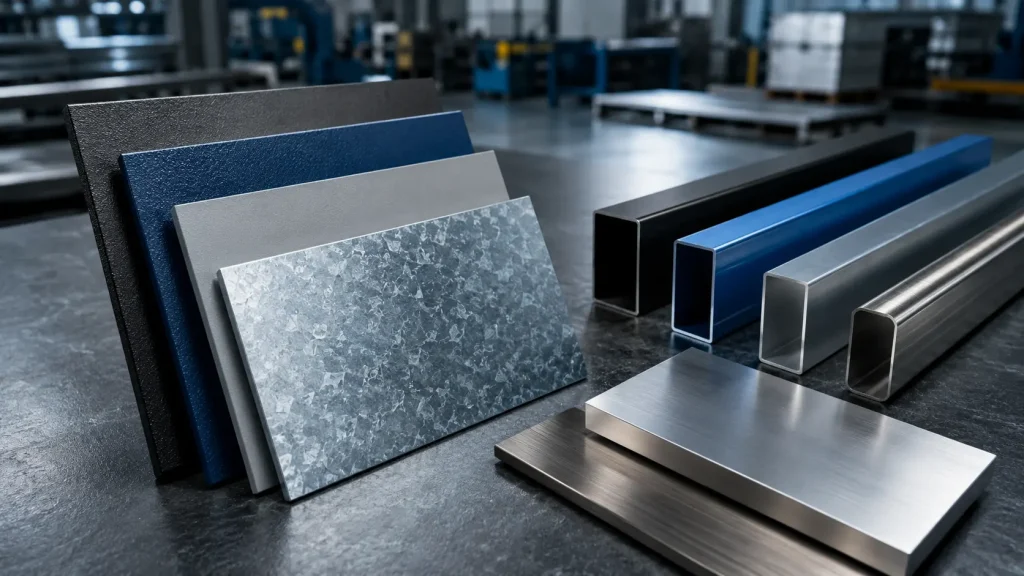
1. Electrostatic Powder Coating
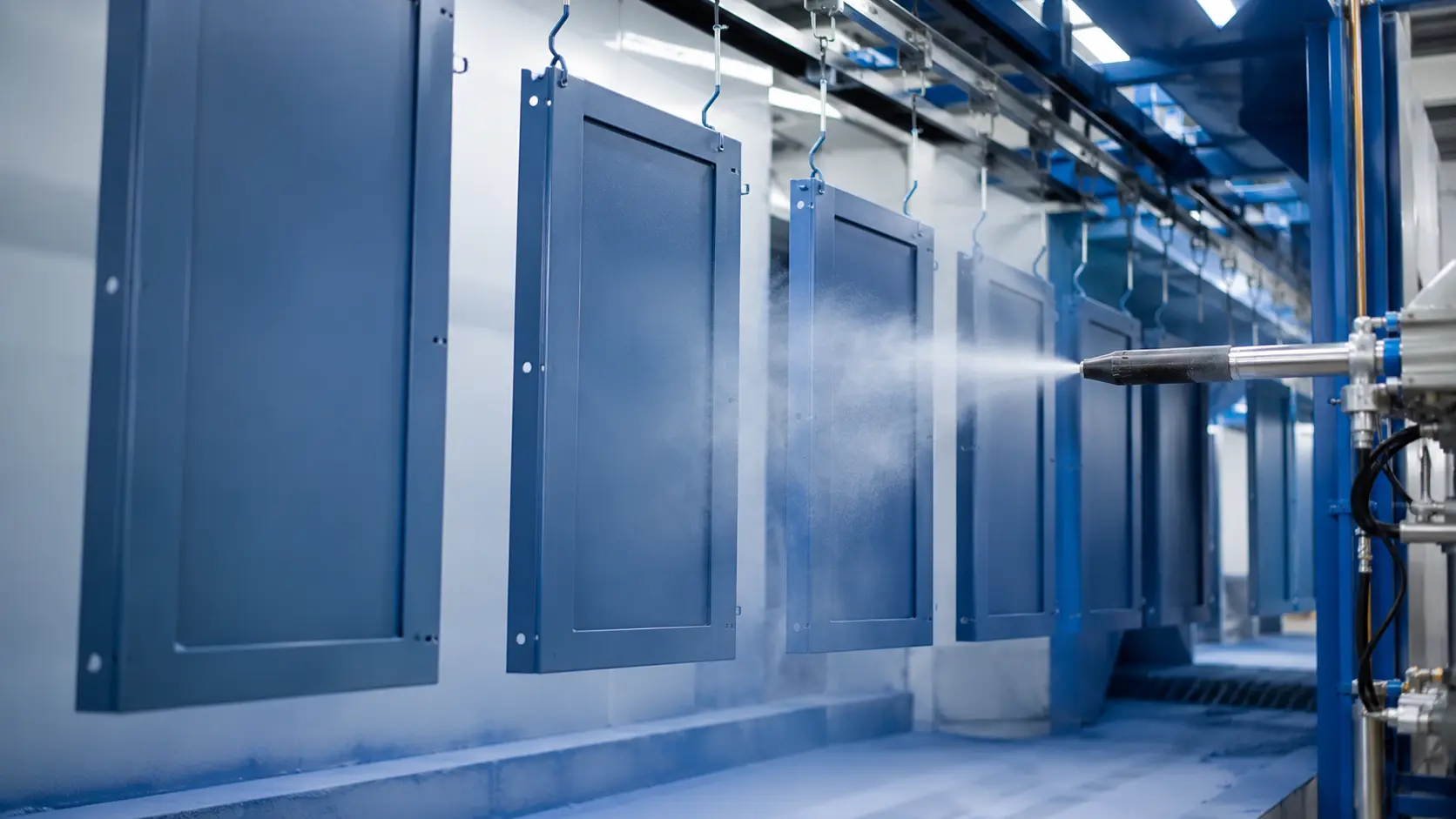
Electrostatic powder coating is a process in which powder paint particles are applied to the metal surface using an electrostatic method and then cured in an oven to bond with the surface. It offers a durable, cost-effective, and aesthetic coating solution.
This method is commonly preferred for:
- Metal cabinets
- Shelving systems
- Machine bodies
- Industrial equipment parts
- Security and barrier systems
- Indoor and outdoor metal components
Electrostatic powder coating is advantageous in terms of color options and surface quality. When applied with proper surface preparation, it also helps improve corrosion resistance.
2. Hot Dip Galvanizing
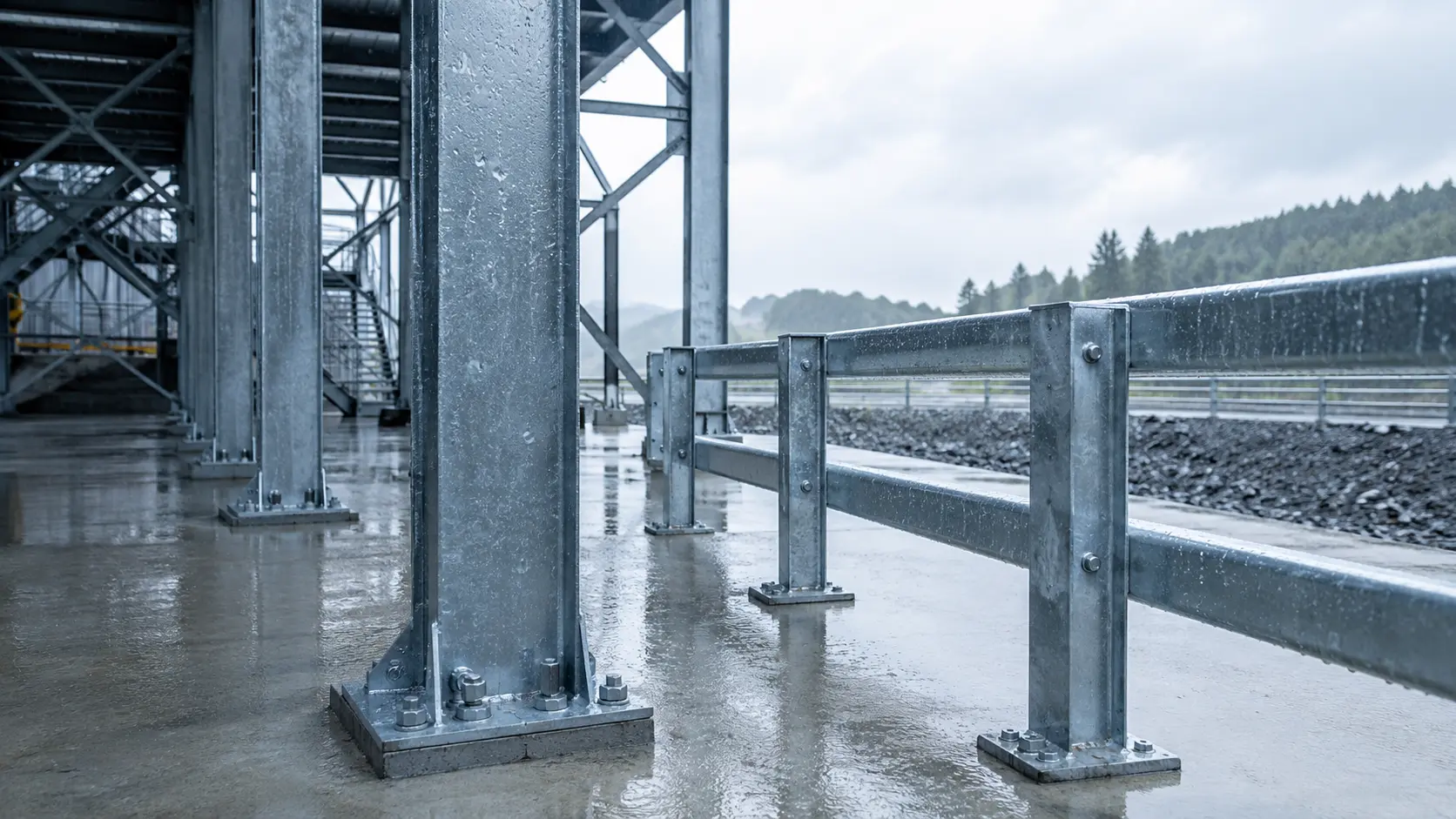
Hot dip galvanizing is a coating process in which a steel part is dipped into a bath of molten zinc. The zinc layer protects the steel against outdoor conditions and reduces the risk of rusting.
Galvanized coating is especially useful for outdoor applications. It is commonly preferred for:
- Steel construction parts
- Poles
- Outdoor barriers
- Railing systems
- Industrial platforms
- Outdoor metal equipment
For steel products that will be used outdoors for a long time, hot dip galvanizing is a strong option because it provides high protection and requires relatively low maintenance.
3. Anodized Coating
Anodized coating is an electrochemical surface treatment commonly used on aluminum surfaces. This process creates a controlled and durable oxide layer on the aluminum surface, providing both protection and a decorative appearance.
Anodized coating can be used for:
- Aluminum profiles
- Architectural metal applications
- Electronic enclosures
- Cabinet and panel systems
- Decorative metal parts
Anodized coating improves surface durability while preserving the natural metallic appearance of aluminum. It is especially preferred in projects where aesthetics and long-term surface performance are both important.
4. PVD Coating
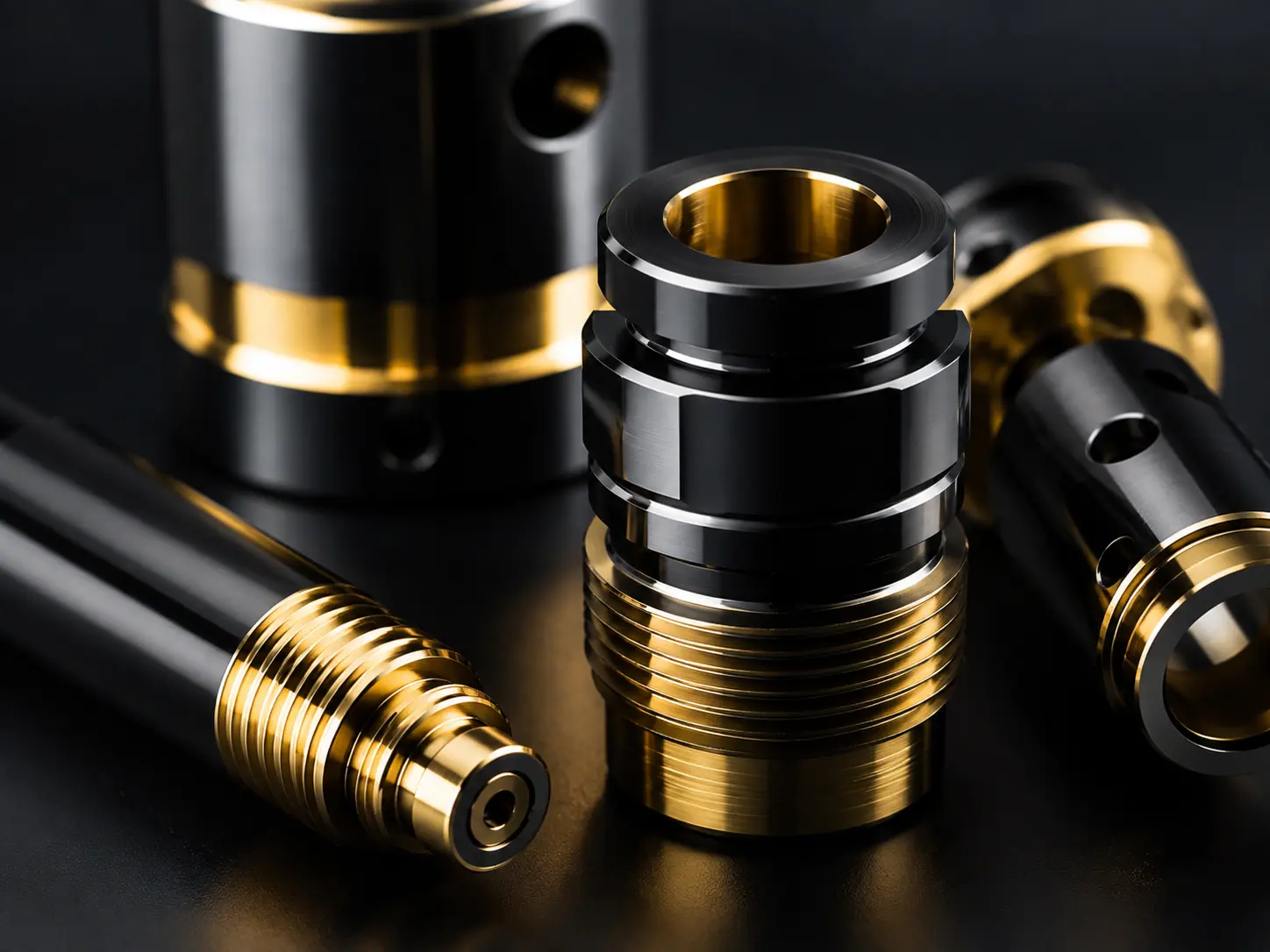
PVD coating, or Physical Vapor Deposition, is an advanced surface treatment process in which a thin coating layer is applied to the metal surface in a vacuum environment. It offers high hardness, wear resistance, and a decorative finish.
PVD coating is especially suitable for:
- Stainless steel products
- Decorative metal parts
- Architectural accessories
- Custom-designed metal components
- Surfaces that require high wear resistance
5. Wet Painting
Wet painting is a traditional coating method in which liquid paint is applied to the metal surface. It offers a wide range of color options, different surface finishes, and flexible application possibilities.
Wet painting can be preferred for:
- Projects requiring custom colors
- Large metal surfaces
- Indoor metal products
- Machine bodies
- Custom-manufactured metal equipment
With the right primer, paint, and surface preparation, wet painting applications can provide effective results in terms of both visual quality and surface protection.
How to Choose the Right Surface Coating Method
There is no single correct coating method for every metal product. The most suitable coating method should be selected according to the product’s usage conditions and technical expectations.
When choosing a surface coating method, the following questions should be considered:
Will the product be used indoors or outdoors?
Metal products used outdoors are more exposed to rain, moisture, temperature changes, and sunlight. Therefore, coating methods with stronger corrosion resistance should be preferred for outdoor applications.
Will the product be exposed to chemicals?
Metal parts used in industrial facilities, production lines, or environments with chemical exposure may require more resistant surface coatings.
How important is the aesthetic appearance?
In some projects, technical durability is the top priority. In others, appearance is just as important as durability. In architectural applications, decorative parts, and customer-facing products, surface quality directly affects product perception.
What material will the part be made from?
The preferred coating method may vary depending on whether the part is made from steel, stainless steel, or aluminum. For example, anodizing can be a strong option for aluminum, while galvanizing or powder coating may be more suitable for steel parts.
What level of mechanical resistance is required?
For products exposed to scratching, friction, impact, or intensive use, coating methods with higher wear resistance should be selected.
At Nova Fabrication, we evaluate not only the manufacturing process but also the final usage conditions of each project. Within our metal manufacturing services, we consider laser cutting, bending, welding, machining, and surface coating as connected stages of a more efficient production process.
Why Is Surface Preparation as Important as Coating?
One of the most important factors that determines coating quality is surface preparation. If there is oil, dirt, rust, oxide layer, or manufacturing residue on the metal surface, the coating may not adhere properly. This can lead to blistering, peeling, color changes, or corrosion over time.
A proper surface preparation process usually includes:
- Surface cleaning
- Removal of oil and dirt
- Rust and oxide removal
- Sandblasting or mechanical surface preparation
- Chemical pre-treatment
- Primer or pre-coating application when required
Choosing the right coating method alone is not enough for a successful coating process. Preparation before coating directly affects the performance and service life of the coating.
How Does Surface Coating Extend Product Life?
Surface coating creates a protective barrier between the metal surface and external factors. This barrier reduces direct contact between the metal and moisture, oxygen, chemicals, and mechanical effects.
With the right surface coating:
- The risk of rusting is reduced
- The product can be used for a longer period
- Maintenance and renewal needs are reduced
- Visual quality is preserved
- Mechanical resistance is improved
- Total ownership cost can be reduced
For this reason, surface coating should not be seen only as an aesthetic finishing process after manufacturing. When planned correctly, it becomes a strategic production step that determines the long-term performance of the product.
Which Industries Use Surface Coating?
Metal surface coating solutions are needed in many industries. Surface coating provides major advantages especially in products that require durability, hygiene, aesthetic appearance, or outdoor resistance.
Surface coating services are widely used in:
- Machinery manufacturing
- Automotive spare parts production
- Electrical and electronic equipment
- Server cabinet and metal cabinet manufacturing
- Construction and infrastructure projects
- Security systems
- Shelving and storage systems
- Architectural metal applications
- Industrial equipment manufacturing
Nova Fabrication provides custom metal manufacturing solutions suitable for the needs of different industries. From laser cutting and bending to welding and surface coating, we manage multiple production stages in an integrated way to support projects from start to finish.
What Should Be Considered in Metal Surface Coating Projects?
For a successful surface coating process, technical details should be clearly defined at the beginning of the project. Choosing the wrong coating method can negatively affect the long-term performance of the product.
In a surface coating project, the following details should be clarified:
- The environment where the product will be used
- Material type
- Part dimensions and geometry
- Desired color and surface appearance
- Corrosion resistance expectations
- Wear and impact resistance requirements
- Production quantity
- Lead time
- Packaging and shipping requirements
When these details are defined correctly, a more suitable surface coating solution can be developed both technically and economically.
Conclusion: The Right Coating Means Longer-Lasting and Higher-Quality Metal Products
Surface coating in metal products is a critical process for improving corrosion resistance, enhancing aesthetic appearance, and extending product life. Different methods such as electrostatic powder coating, galvanizing, anodizing, PVD coating, and wet painting should be selected according to the material, application area, and performance expectations of the product.
The right surface coating selection does not only make metal products more durable. It also helps them look more professional, higher quality, and more reliable.
At Nova Fabrication, we offer comprehensive metal manufacturing solutions from production to surface coating. To determine the most suitable surface coating method for your project and get detailed information, you can contact us or request a quote.