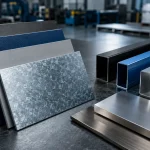

With competition in the global market increasing every day, companies are focusing more than ever on long-lasting and high-quality production processes to get the best return on their investments. Particularly in areas such as industrial plants, architectural structures, the defense industry, and the heavy machinery sector, the resistance of materials to environmental factors directly affects the total life-cycle cost of a project.
Stainless steel is one of the most preferred materials in today’s industrial world due to its durability, high corrosion resistance, and aesthetic appearance. When processed correctly, it can add a lifespan to projects that lasts for centuries. However, to fully realize the potential of this material and achieve flawless results, there are critical details that must be considered during the production stage.
As one of Turkey’s leading metal production companies, Nova Fabrication provides services at international standards in custom metal fabrication with over ten years of experience. In this article, we will examine in detail the important tips and tricks in production processes to maximize quality and durability in stainless steel fabrication.
Selecting the Right Alloy for the Project
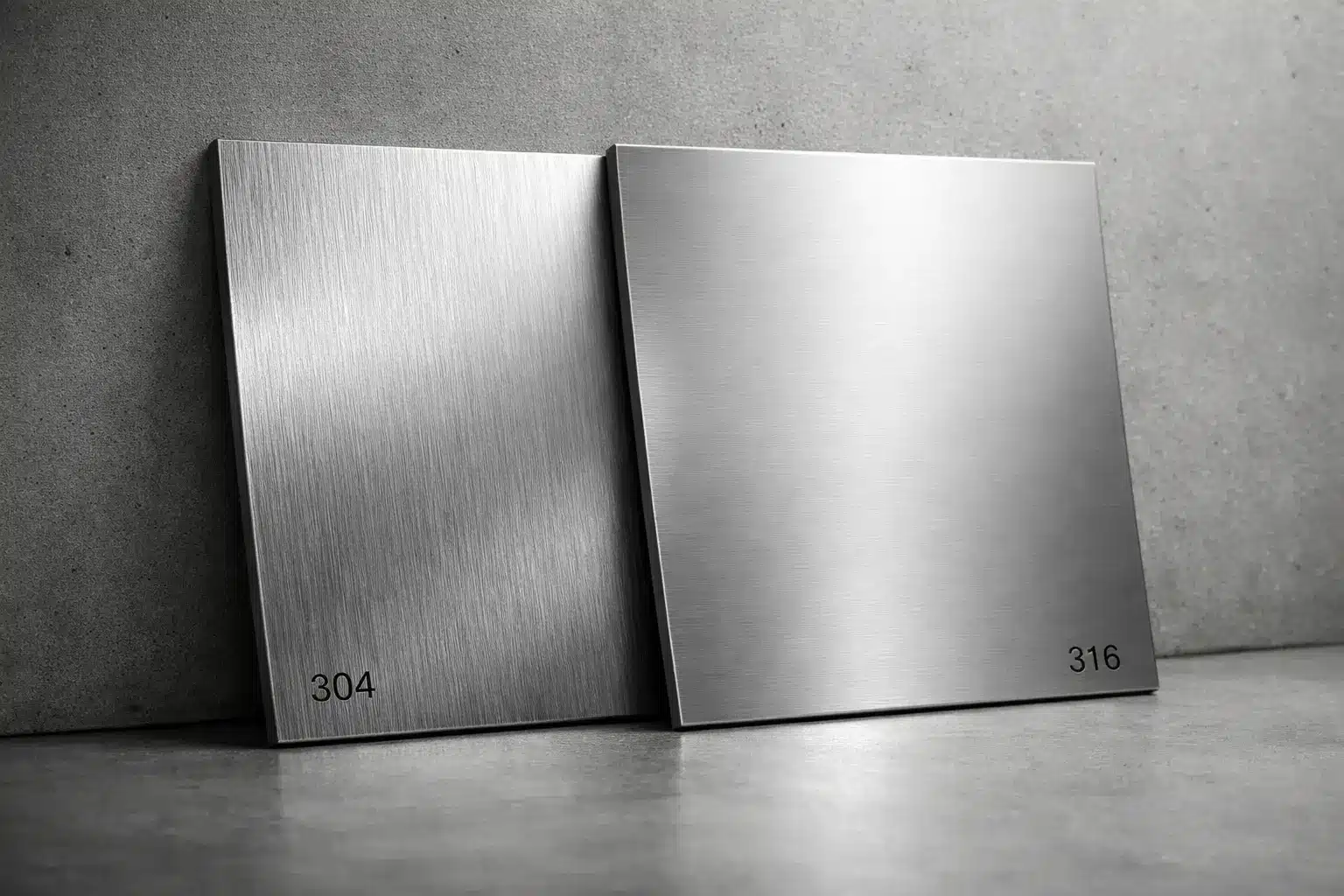
Stainless steel is not a one-size-fits-all material; it is divided into different grades based on the proportions of elements it contains, such as chromium, nickel, and molybdenum. The first and most critical step of the manufacturing process is to select the alloy suitable for the environmental conditions the project will be exposed to.
- Grade 304 Stainless Steel: Ideal for general-purpose use. It exhibits high performance and satisfactory corrosion resistance in kitchen equipment, architectural details, and indoor applications.
- Grade 316 Stainless Steel: Thanks to the molybdenum it contains, it is extra resistant to corrosion, especially against seawater, salty environments, and acidic chemicals. It is indispensable for industrial facilities and marine applications.
Choosing the right material definitively prevents future rusting and structural weaknesses. The fundamental key to longevity is to analyze the technical requirements of your project with an expert engineering team during the stainless steel fabrication process.
Use of Precision Cutting Technologies
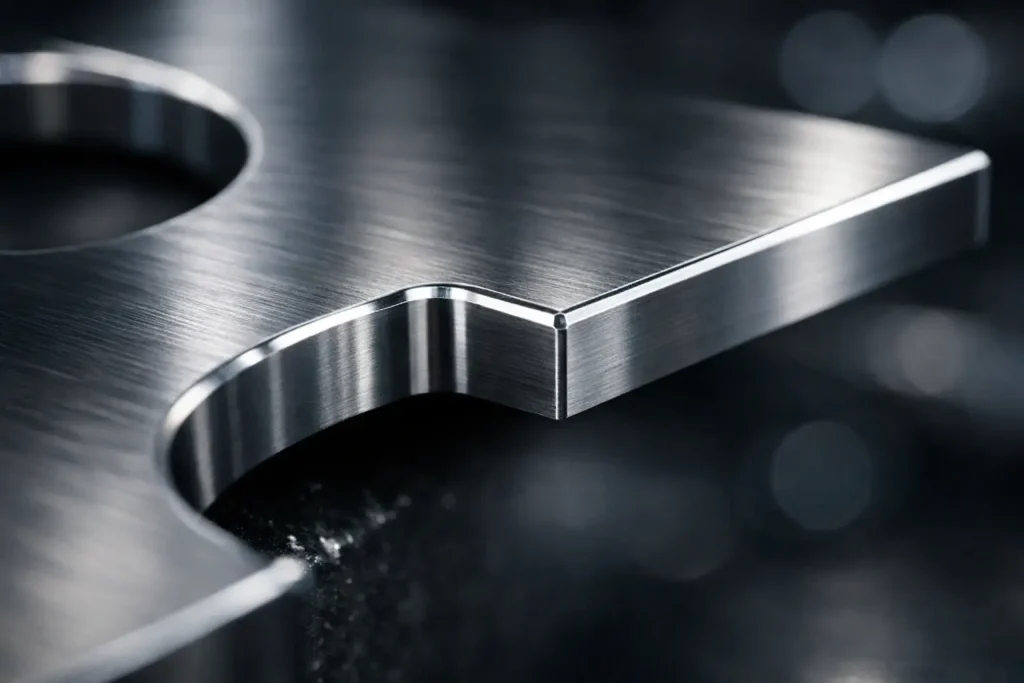
During the processing of stainless steel, micro-cracks or deformations caused by heat (Heat Affected Zone – HAZ) that may occur on the edges of the material can turn into corrosion initiation points over time. Therefore, cutting operations must be performed with flawless precision.
Using advanced technology laser cutting systems instead of traditional and mechanical cutting methods preserves the structural integrity of the material. Both high-speed sheet metal laser cutting for flat plates and profile and pipe laser cutting technologies for various geometries offer millimetric and smooth precision. Since laser cutting leaves no burrs or micro-roughness on the edges, it ensures the material is perfectly prepared for subsequent welding and bending stages.
Advanced Bending and Forming Techniques
Because stainless steel has a hard and resistant structure, it requires extra care and expertise during the forming stage. An incorrectly applied bending process can lead to stress cracks on the outer surface or weaknesses in the internal structure of the material. This reduces the mechanical strength of the product and shortens its lifespan.
Bending services performed using advanced CNC-controlled press brakes make it possible to shape the material at special angles and with a homogeneous power distribution according to its type and thickness. The special bending techniques used by Nova Fabrication allow even the most complex geometries to be achieved safely without damaging the nature of the metal.
Flawless Welding Processes and Prevention of Contamination
Another issue that requires the most attention in stainless steel fabrication is the welding process. High heat applied during welding can weaken the chromium oxide layer of the material. Furthermore, if working in the same workshop environment as carbon steel, carbon particles can contaminate the stainless steel; this causes a condition called “cross-corrosion,” leading to rapid rusting of the material.
For a long-lasting and leak-proof result:
- High-quality welding services such as gas-shielded MIG-MAG and especially TIG (Argon) welding should be preferred. Argon welding provides strong joints while preserving the aesthetic and structural properties of stainless steel.
- The use of robotic welding technologies completely eliminates millimetric error margins caused by human factors in mass production.
- Cleaning the thermal marks (discolorations) formed on the weld seams and subjecting the material to a passivation process restores the corrosion resistance to fabrication levels.
High-Tolerance Production with Machining
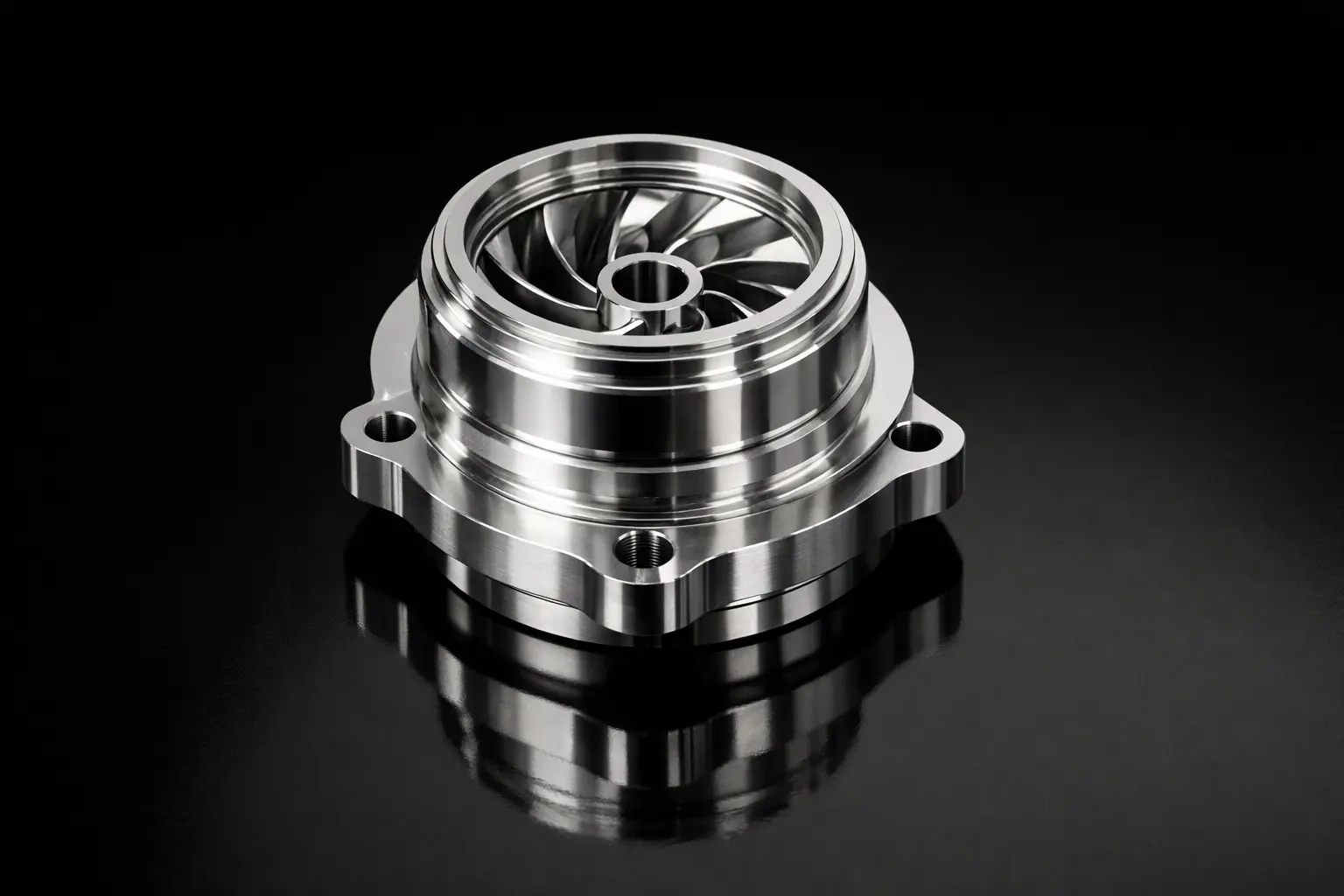
Especially for machine spare parts, automotive components, fasteners, or safety systems operating with zero-error tolerance, stainless steel parts must be processed with micron-level precision. Parts produced outside of tolerances cause friction, excessive wear, and premature material fatigue within the system.
Machining services offered with advanced CNC turning and milling machines ensure the flawless creation of complex parts. The use of correct cutting tools and appropriate coolants during processing prevents thermal and mechanical damage that may occur on the stainless steel surface, maximizing the service life of the part.
Extra Protection with Surface Treatments and Coating
Stainless steel’s self-healing chromium oxide layer prevents the material from rusting in case of scratches or impacts. However, depending on the area of use, extra surface treatments may be required. Strengthening the surface plays a critical role, especially in architectural projects with high aesthetic expectations (e.g., decorative fabrication) or in extremely harsh environmental conditions.
Polishing, grinding, or special chemical passivation processes take the corrosion resistance of stainless steel to its peak. In addition, by applying advanced surface coating services such as PVD coating or anodized coating for specific functional or decorative purposes, both visual elegance is achieved and the scratch/wear resistance of the material is significantly increased.
Rigorous Quality Control (QC) and Testing Processes
The greatest guarantee of a long-lasting product is the strict quality control processes applied from the beginning to the end of the production line. Dimensional measurements, destructive and non-destructive testing processes performed in accordance with international quality systems verify that the product meets all engineering standards before it reaches the field. Material certifications and traceability are indispensable elements of stainless steel fabrication.
Conclusion
Achieving long-lasting solutions in stainless steel fabrication requires professional management of every stage, from selecting the right alloy to advanced technology cutting and bending operations, and from expertise-requiring welding methods to flawless surface finishes. These production processes, carried out without compromising on quality, reduce the maintenance costs of your project in the long run and contribute directly to the sustainability of your business.
If you are looking for competitive prices, on-time delivery, and flawless craftsmanship at international standards for your projects, you can partner with Turkey’s leading metal manufacturer, Nova Fabrication, which operates with a 100% customer satisfaction guarantee. For the most suitable “turnkey” custom solutions for your needs, do not hesitate to contact us or request a quote for your detailed projects immediately. Let’s take the solid steps that will move your business one step forward together!