
How Does Robotic Welding Work?
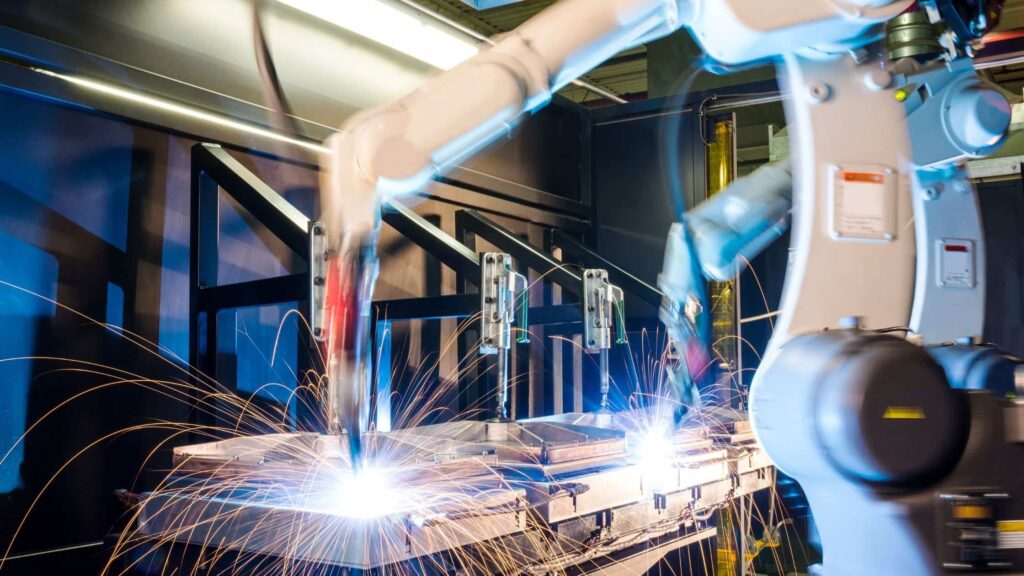
Robotic welding is an automated process that uses programmable machines to perform welding operations with speed, consistency, and precision. In contrast to manual welding, robotic welding systems are designed to follow specific welding paths, handle repetitive tasks, and deliver consistent quality without fatigue or human error. So, how does robotic welding work? It begins with programming the robot’s arm to follow a predefined welding pattern, selecting the correct welding process (such as MIG, TIG, or spot welding), and integrating sensors and controllers to monitor accuracy and safety. These robots are widely used in large-scale production areas such as the automotive and heavy machinery industries, where efficiency and precision are of utmost importance.
Why Robotic Welding is Used in Manufacturing?
The adoption of robotic welding in modern manufacturing has grown rapidly due to its ability to deliver high-volume output with minimal variation. Traditional welding methods are often limited by human factors such as fatigue, inconsistent technique, and slower production speeds. Robotic welding work eliminates these limitations by performing tasks with unmatched accuracy, speed, and endurance.
Manufacturers rely on robotic welding for its ability to reduce labour costs, increase workplace safety and improve production yields. Because robots can work continuously and handle hazardous materials or positions, they offer a reliable solution for high-risk or highly repetitive tasks. In industries where welding quality and consistency are non-negotiable, this welding becomes an essential component of the production line.
Key Parts of a Robotic Welding System
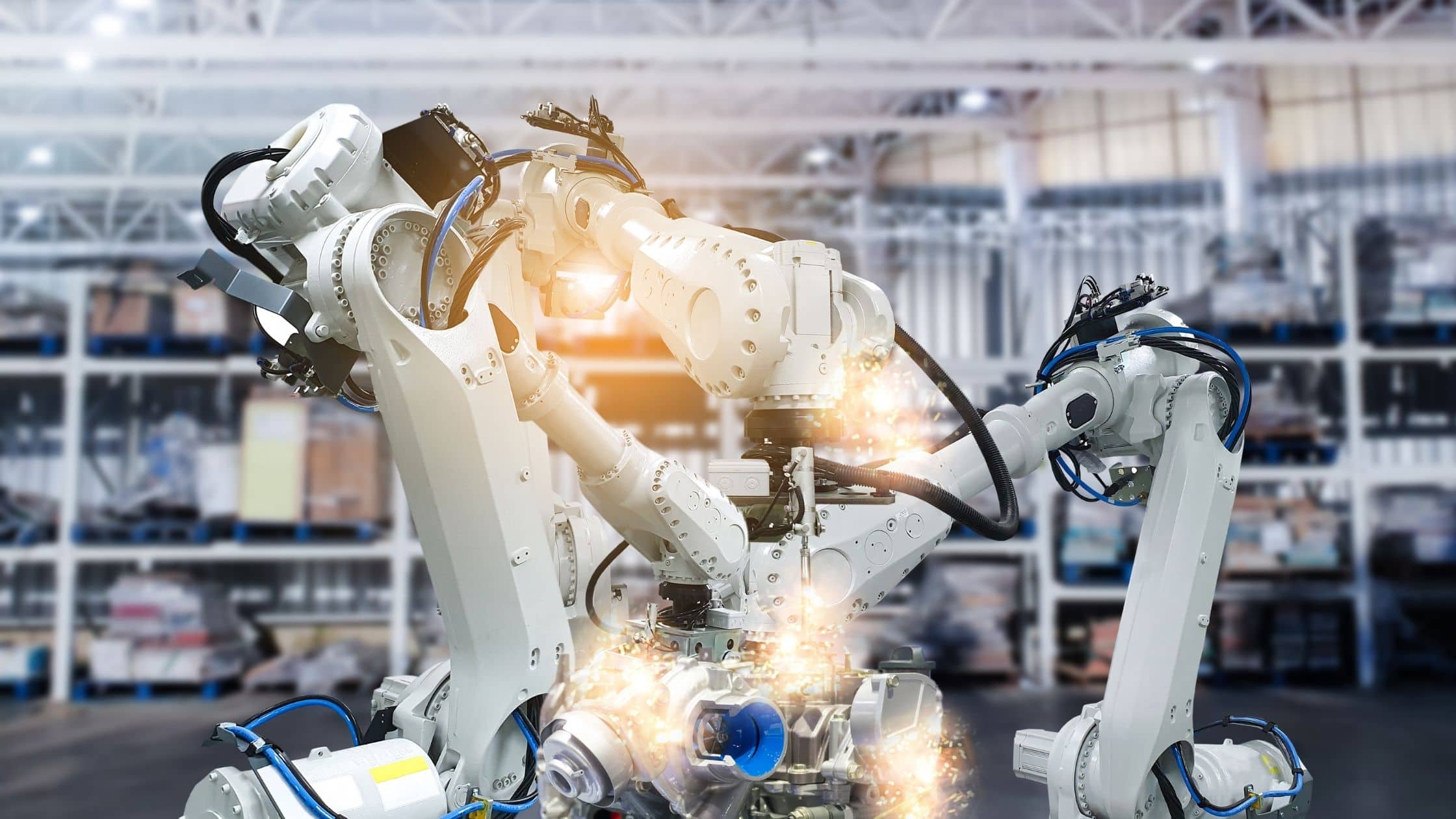
To understand how robotic welding systems work, it is essential to know their basic components. Each installation includes a combination of hardware and software designed to work in harmony:
- Robotic arm: The mechanical structure that moves and positions the welding tool with high precision.
- Welding torch: Attached to the end of the robotic arm, this tool performs the actual welding process.
- Power source: Supplies the energy needed for the selected welding method, such as arc or resistance welding.
- Wire feeder: Feeds the welding wire to the torch as needed for the weld pool.
- Control unit: The brain of the system, which interprets programming instructions and directs all movements and actions.
- Sensors and vision systems: Monitor weld quality, joint alignment, and environmental conditions in real-time.
At Nova Fabrication, we utilize state-of-the-art equipment to build and integrate complete robotic welding work cells that align with our clients’ production goals and specifications.
How Robotic Welding Work is Programmed and Controlled?

An important part of robotic welding work is programming the robot for a specific welding task. This can be done through offline programming using specialised software or by teaching pendant programming, where the operator physically guides the robotic arm through the desired motion.
In both cases, the robot’s path, welding parameters, travel speed, arc length, and joint locations are defined with high accuracy. The robot is then tested in a simulated environment to ensure it performs as intended. Modern systems also integrate real-time monitoring tools, such as sensors and vision systems, to adapt to minor changes in the environment or material placement.
Once the welding path is validated, the robot performs the welding cycle autonomously, maintaining consistent speed, angle, and heat input. This level of control ensures every weld meets engineering standards, reducing rework and material waste.
Programming and control are at the heart of robotic welding work, enabling intelligent adjustments, process stability, and repeatability across thousands of units.
Where Robotic Welding is Most Effective?
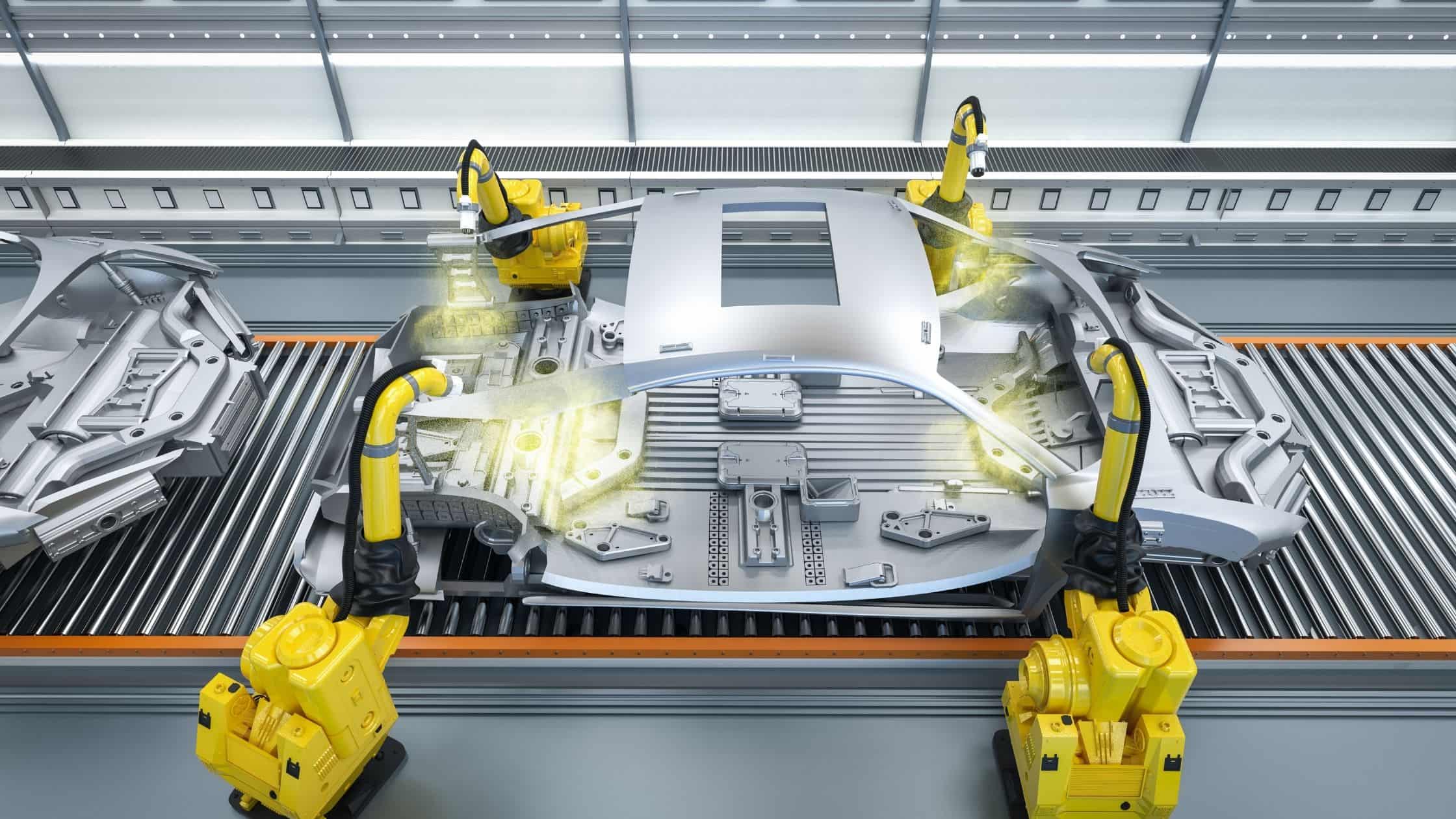
Robotic welding work is most beneficial in environments where high production volume and consistent quality are essential. Some of the most common applications include:
- Automotive industry: Welding car frames, exhaust systems, and other components at scale
- Construction equipment: Fabricating heavy-duty structural parts with high weld strength
- Shipbuilding and aerospace: Provision of sensitive resources for sensitive security components
- Agricultural machinery: Mass-producing durable assemblies with consistent weld seams
Nova Fabrication delivers customized robotic welding solutions for clients in each of these sectors. Our systems are designed for scalability, flexibility, and integration with existing manufacturing processes.
With robotic welding, manufacturers not only gain speed and reliability but also reduce human exposure to hazardous environments. This makes the process a strong asset in industries that require both safety and quality.
From accurate programming to real-time process control, the key to success lies in the seamless coordination of hardware, software and human expertise. At Nova Fabrication, we design fully integrated robotic welding solutions tailored to specific production needs, ensuring that every weld is precise, repeatable and ready for the demands of modern manufacturing.