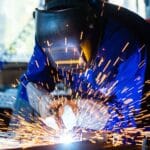
Aluminium Manufacturing Services play a crucial role in various industries, including aerospace, automotive, and construction. The unique properties of aluminium—lightweight structure, corrosion resistance, and high strength-to-weight ratio—make it an ideal material for manufacturing applications. However, to maximize these advantages, expert fabrication techniques are required.
Custom fabrication is at the heart of Aluminium Manufacturing Services, allowing businesses to develop tailored components that meet specific industry needs. By utilizing advanced machining, welding, and finishing techniques, manufacturers can create high-quality aluminium products that improve efficiency, durability, and cost-effectiveness.
Understanding Aluminium Manufacturing Services
Aluminium Manufacturing Services involve cutting, welding, shaping, and assembling aluminium into custom components for a wide range of industries. Depending on the application, the fabrication process may include precision machining, CNC milling, turning, and surface finishing.
Many industries rely on Aluminium Manufacturing Services, including:
Aerospace – Lightweight yet strong components for aircraft structures and engine parts.
Automotive – High-performance car frames, engine blocks, and panels.
Industrial Equipment – Heavy-duty machinery parts with corrosion resistance and durability.
A key benefit of Aluminium Manufacturing Services is its ability to provide:
High strength with low weight, making it ideal for applications where weight reduction is critical.
Corrosion resistance, enhancing the longevity of aluminium components.
Superior thermal and electrical conductivity, making aluminium a preferred choice for heat exchangers and electrical applications.
Key Properties of Aluminium in Manufacturing
Aluminium is widely used in Aluminium Manufacturing Services due to its exceptional properties. Its lightweight nature combined with high strength allows for the production of fuel-efficient vehicles, strong aerospace structures, and durable industrial equipment.
Key Aluminium Properties That Impact Manufacturing
Corrosion Resistance – The natural oxide layer on aluminium protects it from rust, making it suitable for marine and outdoor applications.
Electrical Conductivity – Aluminium is commonly used in power transmission and electronic components.
Strength-to-Weight Ratio – A key advantage for automotive and aerospace applications.
Thermal Conductivity – Used in heat exchangers and cooling systems for efficient heat dissipation.
By alloying aluminium with other metals, Aluminium Manufacturing Services can enhance its strength, durability, and machinability for specific industrial applications.
Advanced Machining Techniques in Aluminium Manufacturing Services
The quality of Aluminium Manufacturing Services depends on advanced machining and fabrication techniques. Computer Numerical Control (CNC) machining allows for high-precision manufacturing, reducing material waste while improving efficiency.
CNC Milling and Precision Machining
CNC milling creates intricate aluminium parts with high precision, essential for industries with strict safety standards.
Precision turning ensures smooth finishes and exact dimensions, improving reliability and performance.
Surface finishing technologies, such as anodizing and powder coating, enhance durability, corrosion resistance, and aesthetics.
Choosing the Right Aluminium Grade for Manufacturing
Aluminium Manufacturing Services require selecting the right aluminium grade based on the application. Some commonly used grades include:
6061 Aluminium – Known for high strength and corrosion resistance, widely used in automotive and structural applications.
7075 Aluminium – High-strength aerospace-grade aluminium used in aircraft components.
5052 Aluminium – Excellent corrosion resistance, making it ideal for marine and industrial applications.
Design Considerations for Aluminium Components
When utilizing Aluminium Manufacturing Services, engineers must consider:
Material Selection – Choosing the right aluminium alloy based on its properties.
Structural Integrity – Ensuring the component can withstand mechanical stress.
Manufacturing Efficiency – Optimizing fabrication processes to reduce costs.
Ensuring Quality in Aluminium Manufacturing Services
Strict quality control and testing procedures are essential to ensure aluminium components meet industry standards. Some key testing methods include:
Tensile Testing – Evaluates aluminium’s strength and elasticity.
Hardness Testing – Measures resistance to abrasion and impact.
Corrosion Testing – Ensures aluminium can withstand harsh environments.
Custom Aluminium Manufacturing Solutions
Aluminium Manufacturing Services provide custom solutions for a variety of industries:
Aerospace – Aircraft frames, fuselage panels, and lightweight structural components.
Automotive – Car body panels, engine parts, and lightweight chassis.
Industrial Equipment – Heavy-duty machinery, conveyor systems, and durable enclosures.
By employing advanced fabrication techniques, manufacturers can create custom aluminium products suited to specific industry needs.
Benefits of Professional Aluminium Manufacturing Services
Partnering with experts in Aluminium Manufacturing Services ensures:
Superior product quality and durability.
Optimized fabrication processes that reduce waste and cost.
Precision engineering for complex component designs.
Access to cutting-edge technologies for efficient production.
By choosing professional aluminium manufacturers, businesses can streamline production, lower costs, and ensure high-performance end products.
Conclusion
Aluminium Manufacturing Services are essential for industries requiring lightweight, durable, and corrosion-resistant materials. Through custom fabrication, advanced machining, and quality control, aluminium remains a versatile and cost-effective solution across multiple industries.
By selecting the right aluminium grade, employing precise fabrication techniques, and adhering to strict quality standards, manufacturers can produce high-performance aluminium components that meet application-specific requirements.
Yes, aluminium is highly malleable and easy to fabricate, making it a preferred material for cutting, welding, and shaping. Its versatility allows for the production of custom components with complex designs.
Yes, aluminium can be welded, but it requires specialized welding techniques such as TIG (Tungsten Inert Gas) welding. Due to its high thermal conductivity, precise heat control is necessary for a strong weld.
Aluminium is highly ductile, meaning it can be easily shaped, bent, and formed into intricate components. This property makes it ideal for applications requiring lightweight and durable materials.
No, aluminium is not as hard as steel, but it has a superior strength-to-weight ratio. This allows aluminium to provide high strength while being significantly lighter, making it ideal for lightweight, high-performance applications.