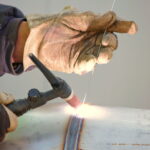
Steel fabrication is the process of transforming raw steel materials into predefined shapes and structures that can be used in construction, industrial manufacturing and engineering projects. Basic knowledge of steel fabrication includes cutting, bending, welding and assembling steel components into final products. This process requires a solid understanding of materials, tools, safety standards and design principles.
Introduction to Steel Fabrication
Steel fabrication is an essential part of modern infrastructure and industrial development. The process begins with selecting the right type of steel, such as carbon steel, stainless steel, or alloy steel, based on the project’s specific requirements. These raw materials are then shaped and modified through various processes, including cutting, machining, welding, and forming.
Having a basic knowledge of steel fabrication allows professionals to determine the appropriate fabrication methods and materials for different applications. Steel fabricators often work with engineers and designers to interpret technical drawings and blueprints. Understanding the structural properties of steel, such as tensile strength, hardness, and flexibility, is a fundamental part of working effectively in this field.
Basic Knowledge of Steel Fabrication
The basic knowledge of steel fabrication encompasses several key skills and concepts:
Material Properties: Knowing the types of steel and their physical characteristics is crucial. For example, mild steel is often used in general construction, while stainless steel is preferred for corrosion-resistant applications.
Blueprint Reading: Steel fabricators must understand engineering drawings and blueprints to accurately cut and assemble components.
Measurement and Calculation: Precise measurement and basic math skills are vital. Errors in this stage can lead to faulty products or project delays.
Joining Techniques: Knowledge of welding, bolting, and riveting methods is central to the assembly of steel components.
Finishing Methods: Grinding, sandblasting, and painting are common finishing techniques that enhance durability and aesthetic appeal.
The basic knowledge of steel fabrication also includes understanding tolerances, stress distribution, and load-bearing requirements. This ensures that the fabricated steel components meet both design and safety specifications.
Common Tools and Techniques in Steel Fabrication
A strong grasp of tools and techniques is part of the basic knowledge of steel fabrication. Fabricators use a wide variety of manual and automated tools to shape and join steel. Some of the most commonly used tools include:
Cutting Tools: Plasma cutters, oxy-acetylene torches, and mechanical saws are used to cut steel sheets and bars.
Forming Equipment: Press brakes and rollers help bend or form steel into required shapes.
Welding Machines: MIG, TIG, and stick welding machines are essential for joining steel parts.
Measuring Devices: Calipers, micrometers, and laser levels ensure accuracy throughout the fabrication process.
Fabricators also rely on CNC (Computer Numerical Control) machines to automate precise cutting and drilling tasks. Mastery of these tools is a vital component of the basic knowledge of steel fabrication, as it ensures efficiency, consistency, and safety.
Safety Measures in Steel Fabrication
Understanding and applying safety practices is a major part of the basic knowledge of steel fabrication. Working with steel involves heavy materials, high heat, sharp edges, and powerful machinery. Therefore, safety protocols must be followed strictly.
Key safety practices in basic knowledge of steel fabrication include:
Wearing PPE (Personal Protective Equipment): Helmets, gloves, safety goggles, steel-toe boots, and hearing protection are mandatory on fabrication sites.
Machine Safety: Operators must be trained to use machinery safely and know how to handle emergency stops and shut-offs.
Fire Safety: Welding and cutting processes carry fire risks. Keeping fire extinguishers and proper ventilation systems is essential.
Material Handling: Lifting and transporting steel parts should be done using appropriate tools like cranes, hoists, or forklifts to avoid injury.
Safety training and routine inspections ensure that fabricators minimize risks and maintain a secure working environment. Integrating safety into daily operations is a key aspect of mastering the basic knowledge of steel fabrication.
Having a strong basic knowledge of steel fabrication is essential for anyone involved in construction, engineering, or metalworking. It provides the foundation for understanding materials, tools, processes, and safety measures. Whether you’re just starting out or looking to refresh your understanding, mastering these basics will contribute to your success in the industry.
By focusing on the basic knowledge of steel fabrication, professionals can ensure precision, efficiency, and safety in every project. As steel continues to be a cornerstone of modern construction and manufacturing, this foundational knowledge remains more valuable than ever.