

Construction and Stabilization of Metal Shelving
Metal shelving offers a robust and versatile storage solution for various settings, from warehouses and retail spaces to homes and garages. Their strength and durability make them ideal for holding heavy items and maximizing space utilization. However, the stability of metal shelving is paramount to ensure safety and prevent accidents. Unstable shelves can lead to items falling, causing damage or injury. Securing metal shelving properly is essential, especially in environments with high traffic or where seismic activity is a concern.
What is Metal Shelving Called?
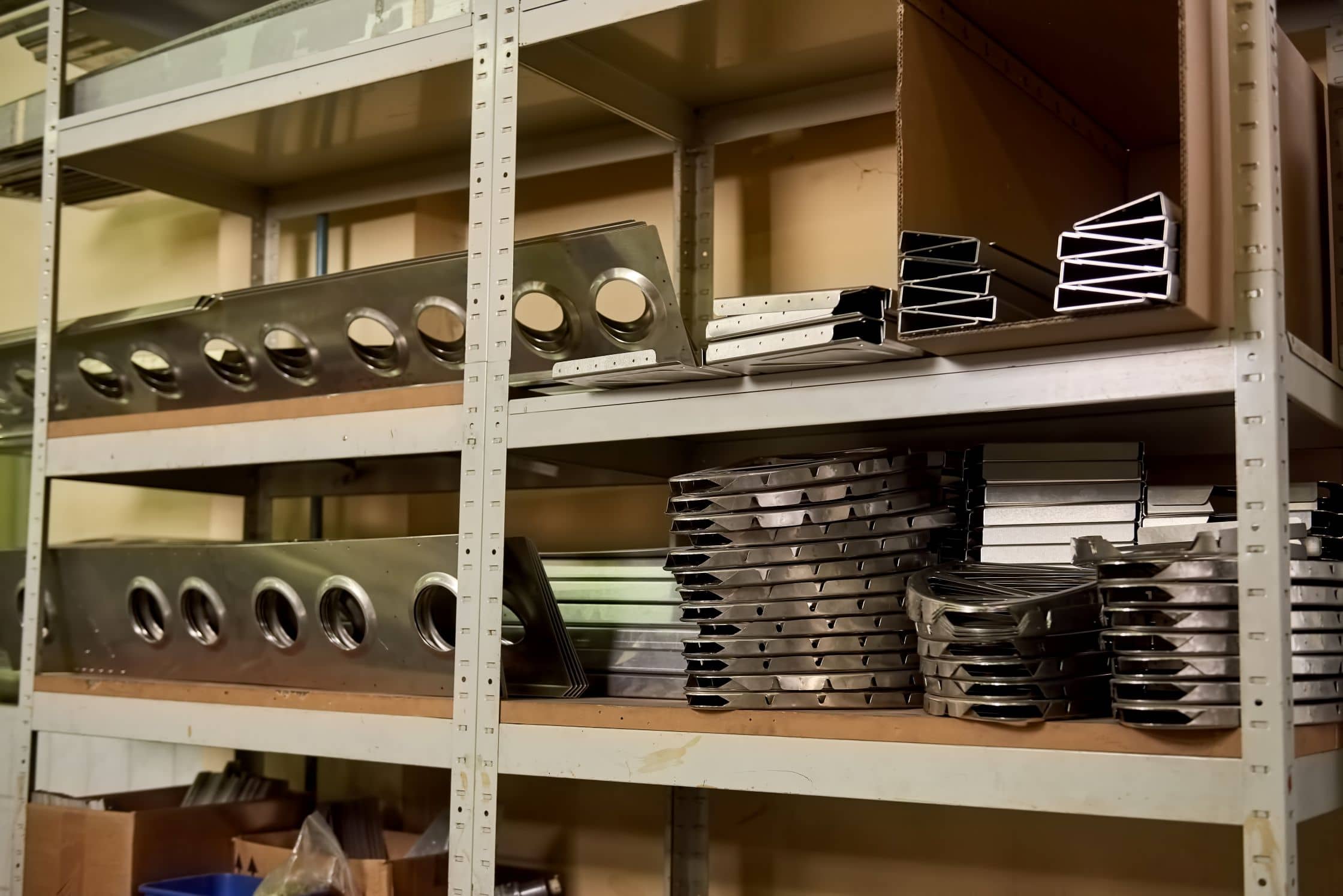
Metal shelving is often referred to by various names depending on its specific design and application. Common terms include steel shelving, industrial shelving, and wire shelving. Steel shelving typically refers to heavier duty units designed for industrial or commercial use, known for their high load bearing capacity and durability. Industrial shelving is another broad term encompassing various types of metal shelving used in warehouses, factories, and other industrial settings. Wire shelving, on the other hand, is characterized by its open design, often made of chrome or epoxy coated steel wire, making it suitable for environments where ventilation and visibility are important. Nova Fabrication provides top tier metal shelving solutions tailored to your specific needs.
Additionally, metal shelving might be described based on its construction or intended use. For example, boltless shelving, also known as rivet shelving, is a type of metal shelving that can be easily assembled without the need for bolts or screws. This type of shelving is popular for its ease of installation and adjustability. Another common term is cantilever shelving, which features arms extending from a central support, allowing for the storage of long or bulky items. Understanding these different terms can help you better identify the type of metal shelving that best suits your storage requirements. Whatever the application, ensuring the stability of your metal shelving is crucial for safety and efficiency.
What Cuts Metal Shelving?
Cutting metal shelving typically requires tools designed to handle metal materials effectively. The choice of tool depends on the thickness and type of metal used in the shelving. Angle grinders are a popular option for cutting metal shelving due to their versatility and power. Equipped with a metal cutting disc, an angle grinder can quickly and cleanly cut through steel and other metals. However, it’s crucial to use appropriate safety gear, including eye protection and gloves, when operating an angle grinder. Nova Fabrication prioritizes safety in all fabrication processes, ensuring precise cuts and reliable results.
Another common tool for cutting metal shelving is a metal cutting saw, such as a band saw or a circular saw with a metal cutting blade. These saws provide more control and precision compared to angle grinders, making them suitable for intricate cuts or working with thinner gauge metals. Plasma cutters are also used for cutting metal shelving, particularly in industrial settings where speed and efficiency are paramount. Plasma cutters use a high-speed jet of hot plasma to melt and cut through metal, offering a clean and precise cut. Regardless of the tool used, it’s essential to follow safety guidelines and use the appropriate cutting techniques to achieve the desired results while minimizing the risk of injury.
How to Make Metal Shelves?
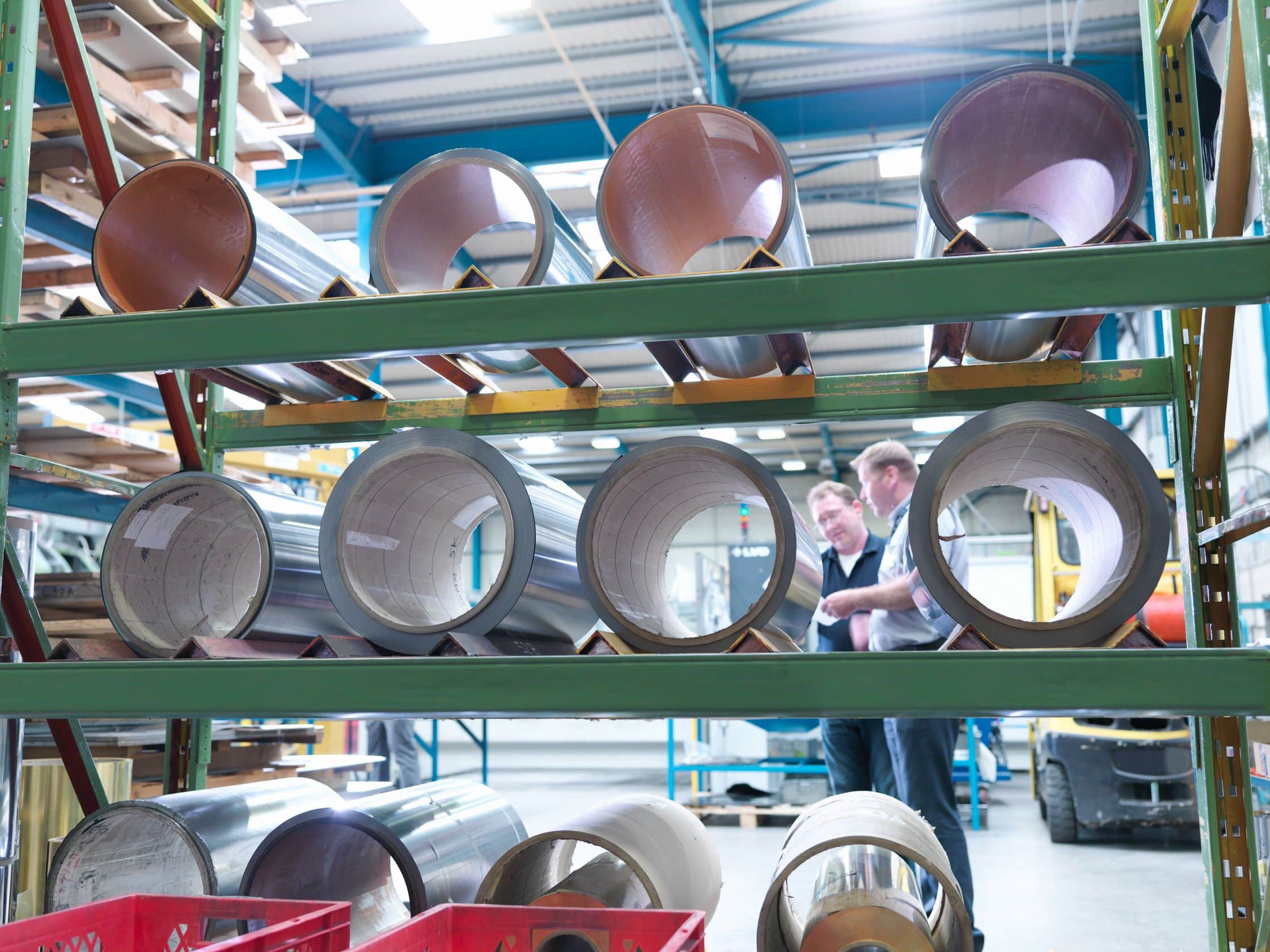
Creating metal shelving involves several steps, starting with selecting the appropriate materials and tools. Typically, steel or aluminum is chosen due to its strength and durability. The process begins by measuring and cutting the metal sheets or profiles to the desired dimensions. This can be done using a metal cutting saw or a plasma cutter, ensuring precise and clean cuts. After cutting, the edges are deburred and smoothed to eliminate any sharp edges or imperfections. These preparation steps are essential to ensure the quality and safety of the final metal shelving units.
Once the components are ready, they are assembled using welding, bolting, or riveting methods. Welding provides a strong, permanent bond, while bolting and riveting allow for future adjustments or disassembly. After the assembly stage, metal shelving is typically coated with a protective finish such as powder coating or industrial paint. This finish enhances resistance to corrosion and provides a clean appearance. The completed metal shelving units are then thoroughly inspected for structural integrity and finish quality before installation. A well-fabricated shelving system ensures both longevity and optimal performance in storage environments.
Why Should You Use Stainless Steel Shelves?
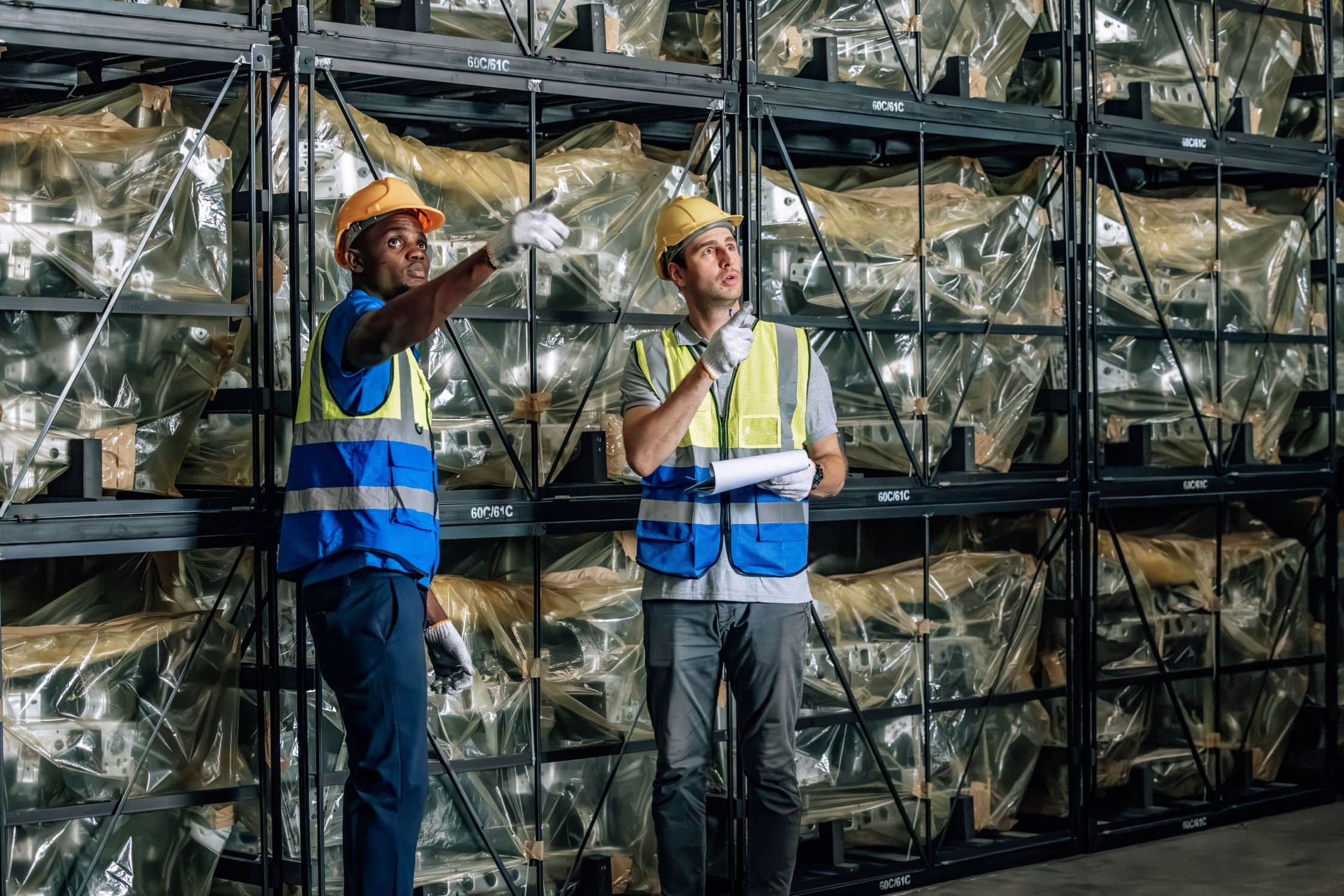
Stainless steel shelves provide significant advantages that make them a preferred option in demanding environments. One of the key benefits is their excellent resistance to corrosion. This makes them particularly well suited for areas exposed to moisture, chemicals, or temperature variations. In settings such as kitchens, laboratories, and medical facilities, stainless steel shelves maintain their integrity and appearance even under harsh conditions. When used as part of a larger metal shelving system, stainless steel components enhance both durability and functionality.
Another reason to choose stainless steel shelves is their hygienic surface. Unlike porous materials, stainless steel does not trap bacteria or contaminants, making it ideal for food storage and cleanroom environments. These shelves are also easy to sanitize, contributing to better hygiene and reduced maintenance. Incorporating stainless steel into metal shelving ensures not only cleanliness but also long-term performance. Thanks to their robust structure and ease of maintenance, stainless steel shelves contribute to a reliable metal shelving solution in both commercial and industrial applications.
What Are The Disadvantages of Metal Shelves?
The main disadvantage of metal shelving is its potential to rust and corrode when exposed to moisture, especially if the shelves are not made from stainless steel or treated with protective coatings. Over time, this corrosion can weaken the structure and reduce the lifespan of the shelves. In environments with high humidity or chemical exposure, metal surfaces that are unprotected may deteriorate faster, requiring more frequent maintenance or replacement.
Another disadvantage of metal shelving is its heavy weight, which can make it more difficult to move, assemble, or reconfigure compared to lighter materials like wood or plastic. Additionally, unfinished edges on metal shelves can pose safety hazards if not properly deburred and smoothed. These shelves may also be more expensive upfront depending on the type of metal and finish used. However, when properly maintained and installed, metal shelving remains a strong and dependable solution for long term storage needs.
What Is The Difference Between Chrome And Stainless Steel Shelving?
Chrome and stainless steel shelving are both widely used for storage, but they differ in composition and performance. Chrome shelving is made of steel with a thin chromium coating, offering a shiny finish and limited corrosion resistance. If scratched, chrome shelves may expose the underlying metal, increasing the risk of rust. For indoor settings where aesthetics matter more than durability, chrome shelving can be a suitable option.
Stainless steel shelving, in contrast, is composed of a metal alloy that includes chromium and nickel throughout the material. This provides natural resistance to rust and corrosion, even if the surface is scratched. Stainless steel shelving is more durable and easier to sanitize, making it preferable in clean environments like kitchens and laboratories. Between the two, stainless steel shelving offers a longer service life and greater reliability under demanding conditions. Both are part of the broader category of metal shelving and serve different purposes based on their strengths.
What Is The Strongest Shelving Material?
The strongest shelving material is steel, which offers superior load-bearing capacity and long-term durability. Metal shelving made from thick-gauge steel can support heavy inventory without sagging or breaking. This makes it the preferred choice for industrial facilities, warehouses, and any setting that requires dependable structural support.
Other materials like reinforced plastic or hardwood are also used in shelving, but they do not match the strength of well-constructed metal shelving. Steel resists warping and deformation under pressure, and when treated with protective coatings, it stands up well to moisture and wear. For projects where maximum strength is essential, steel remains unmatched as the core material of choice for high-performance metal shelving systems.
FAQs About Metal Shelving
Builders prefer wire shelving because it offers durability, visibility, and airflow. It is lightweight yet strong, easy to install, and resistant to moisture, making it ideal for storage in utility areas, pantries, and garages.
Galvanised shelves are coated with a layer of zinc to protect the steel underneath from corrosion. While they resist rust well in dry environments, exposure to high humidity or scratches in the coating may lead to localized rusting over time.
Yes, you can install shelves in a metal shed. Metal or wire shelving units are particularly suitable because they withstand changes in temperature and humidity. They also help organise tools, garden supplies, and other items efficiently.
Wire shelves are surprisingly strong relative to their weight. When properly mounted or used with a frame system, they can support heavy items, making them a reliable choice for kitchens, warehouses, and industrial settings.
Metal forming can lead to internal stress in materials, which may cause deformation or cracks. It also often requires expensive machinery, generates heat, and can limit design flexibility depending on the forming method used.
Galvanised shelving refers to shelving units made of steel that are coated with zinc. This zinc layer protects the metal from rust and corrosion, extending the shelf’s lifespan, especially in damp or outdoor environments.
To anchor metal shelves to the wall, use wall plugs and heavy-duty screws or bolts. It’s important to mount them into wall studs or use appropriate wall anchors to ensure the structure is stable and safe for loading.
Steel shelving can rust if it’s untreated or exposed to moisture over time. However, galvanised or powder-coated steel shelving offers better resistance to rust, especially in humid or industrial environments.
Galvanised shelving is made from steel that has been coated with a layer of zinc. This coating protects the metal from corrosion, making it ideal for storage in environments where moisture is present.