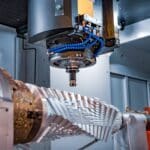


Stainless Steel Welding
Stainless steel welding is widely used in industries such as construction, automotive, and food processing due to its strength, durability, and corrosion resistance. However, working with stainless steel presents unique challenges, particularly in fabrication, machining, and preventing rust after welding. In this guide, we will explore these aspects while maintaining a focus on stainless steel welding and best practices for achieving high-quality results.
Is Stainless Steel Easy to Fabricate?

Fabricating stainless steel involves cutting, shaping, and assembling metal components. While stainless steel is known for its strength and resistance to corrosion, these same properties can make fabrication more complex compared to mild steel or aluminum.
Factors Affecting the Fabrication of Stainless Steel
- Work Hardening – Stainless steel tends to harden quickly when subjected to stress or heat. This can make bending or forming difficult, requiring careful selection of tools and techniques.
- Heat Sensitivity – Excessive heat during fabrication, especially during stainless steel welding, can lead to warping or distortion.
- Tool Wear – The high strength of stainless steel can wear down cutting tools faster than other metals, necessitating specialized equipment.
Role of Welding in Stainless Steel Fabrication
Welding is a crucial part of stainless steel fabrication, but it requires precision and expertise. Issues such as thermal expansion and sensitivity to heat input mean that stainless steel welding must be carried out with controlled parameters to ensure strong, defect-free joints.
Best Practices for Efficient Fabrication
- Use low-heat input to prevent excessive warping.
- Choose appropriate welding techniques, such as TIG (GTAW) or MIG (GMAW), for better control.
- Implement post-weld treatments, such as passivation, to restore corrosion resistance.
Is Machining Stainless Steel Hard?

Machining stainless steel, especially after welding, presents unique challenges due to its toughness and work-hardening properties. Unlike softer metals, stainless steel does not dissipate heat efficiently, which can lead to tool wear and poor surface finishes.
Challenges of Machining Stainless Steel Before and After Welding
- Work Hardening: Cutting or machining can cause stainless steel to harden rapidly, making subsequent operations more difficult.
- Heat Buildup: High temperatures during machining can damage both the tool and the workpiece.
- Tool Selection: Standard tools wear out quickly, requiring carbide or coated tools designed for stainless steel welding applications.
How Welding Impacts Stainless Steel Machinability
Stainless steel welding introduces heat-affected zones (HAZ) that can change the metal’s properties. These areas may become harder, making post-weld machining more challenging. Proper cooling techniques and heat treatment can help reduce these effects.
Tips for Machining Stainless Steel Efficiently
- Use coolants to reduce heat buildup and prevent excessive wear.
- Opt for high-speed carbide tools to enhance cutting efficiency.
- Maintain steady feed rates to avoid work hardening.
Will Stainless Steel Rust After Welding?

A common misconception is that stainless steel is completely immune to rust. While it is highly resistant to corrosion, stainless steel welding can alter the metal’s surface, making it susceptible to oxidation.
Why Stainless Steel Can Rust After Welding
- Chromium Depletion: The protective chromium oxide layer that prevents rust can be compromised in the heat-affected zone (HAZ).
- Surface Contamination: Welding spatter, iron particles, or exposure to carbon steel can lead to localized rusting.
- Incorrect Welding Techniques: Excessive heat input can alter the stainless steel’s microstructure, reducing corrosion resistance.
How to Prevent Corrosion After Stainless Steel Welding
To ensure that welded stainless steel remains rust-resistant, the following measures should be taken:
- Use Shielding Gas Properly: Inert gases such as argon or helium prevent oxidation during stainless steel welding.
- Post-Weld Cleaning: Remove heat tint and discoloration using pickling paste or mechanical finishing techniques.
- Passivation Treatment: Applying nitric or citric acid restores the protective chromium oxide layer.
- Avoid Cross-Contamination: Ensure that stainless steel does not come into contact with iron or carbon steel tools.
Passivation and Other Protective Techniques
Passivation is one of the most effective ways to restore stainless steel’s corrosion resistance after welding. It removes free iron from the surface, allowing the chromium oxide layer to regenerate naturally.
Other protective measures include:
- Electropolishing – Enhances the surface finish and removes contaminants.
- Pickling – Uses acid-based solutions to remove discoloration and restore metal integrity.
Why Does Stainless Steel Not Rust?
Unlike regular steel, stainless steel is designed to resist rust and corrosion. The key to its longevity lies in its composition and how it interacts with the environment.
Protective Properties of Stainless Steel
Stainless steel contains at least 10.5% chromium, which reacts with oxygen to form a thin, invisible chromium oxide layer. This layer prevents oxygen and moisture from reaching the metal’s core, thus preventing rust formation.
However, this protective property can be compromised if:
- The surface is scratched or damaged.
- Contaminants such as iron or carbon steel are introduced.
- Improper stainless steel welding techniques are used.
Impact of Welding on Stainless Steel’s Corrosion Resistance
Stainless steel welding can affect its ability to resist rust in the following ways:
- Heat Affects Chromium Levels – Excessive heat can deplete chromium in the welded area, reducing corrosion resistance.
- Oxidation and Discoloration – High temperatures can cause heat tinting, which can be a site for corrosion if not removed properly.
How to Maintain Rust Resistance in Welded Stainless Steel
To keep stainless steel resistant to rust after welding, consider:
- Proper Welding Techniques: Use methods such as TIG welding for better heat control.
- Post-Weld Cleaning: Remove oxidation to maintain the protective chromium layer.
- Regular Maintenance: Keep the surface clean and free from contaminants.
Conclusion
Stainless steel welding is a specialized process that requires careful planning, proper techniques, and post-weld treatments to maintain its corrosion resistance. While stainless steel is highly durable and resistant to rust, improper fabrication, machining, or welding can compromise its integrity.
By understanding the challenges of stainless steel welding, such as heat sensitivity, machining difficulties, and corrosion risks, manufacturers and welders can ensure high-quality, long-lasting results.
Whether you’re working on stainless steel welding for industrial applications or personal projects, following best practices will ensure strength, durability, and corrosion resistance for years to come.