
Metal manufacturing
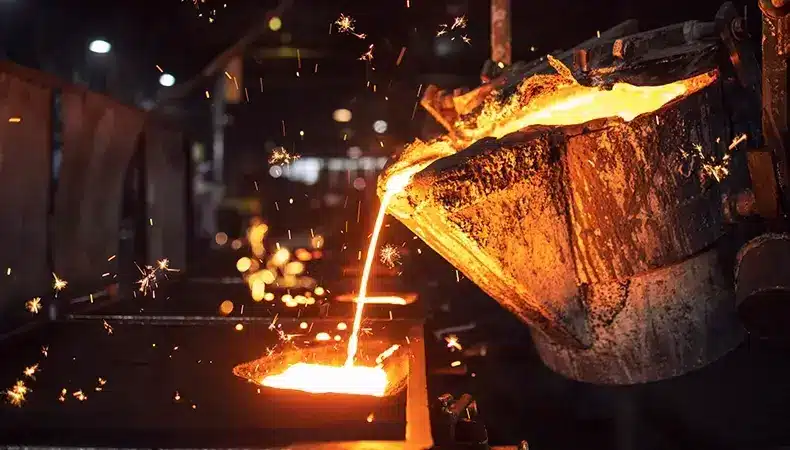
Metal manufacturing is the process of transforming raw metal into usable materials and products using various processing and treatment methods. This process starts with the smelting and purification of raw metals obtained by mining and then involves the shaping of these metals by methods such as casting, rolling, drawing, forging. The main goal of metal production is to optimize the properties of metal (e.g. hardness, flexibility, durability) for use in different industrial and commercial applications. Modern metal production utilizes automation technologies, computer-controlled machinery and advanced material science concepts, requiring high precision and efficiency.
Metal manufacturing provides the basic materials for a wide range of industries, from automotive to aerospace, construction to electronics. The process involves many sub-processes that improve the metal’s mechanical properties, surface finish and machinability. For example, heat treatment can increase a metal’s hardness, while alloying techniques can give it special properties. In addition, recycling is becoming increasingly important in metal production processes for environmental sustainability and efficiency gains. With the support of advanced technologies and continuous research, metal production continues to evolve as an important branch of materials science and meet the needs of the modern world.
Main Materials Used in Metal Production
The base materials used in metal production usually include a wide range of various metals and metal alloys. These materials are selected and processed according to the properties required in industrial applications. Here are some of the main materials commonly used in metal production:
- Iron and Steel: The basis of metal production. Iron is the most widely used metal worldwide and is mostly used for steel production. Steel is a material obtained by alloying iron with carbon and has a wide range of uses due to its properties such as high strength, flexibility and durability.
- Aluminum: It is especially preferred in the automotive, aerospace and packaging industries due to its light weight, high conductivity and resistance to corrosion. Aluminum is generally used in pure form or alloyed with various elements.
- Copper: An indispensable material in the electrical and electronics industries due to its excellent electrical and thermal conductivity properties. Copper alloys (e.g. bronze and brass) are also used in various fields such as shipbuilding, artwork and musical instruments.
- Titanium: Known for its high strength-to-weight ratio, corrosion resistance and biocompatibility. These properties make titanium an ideal material for aerospace, medical implants and chemical processing industries.
- Nickel: Due to its high temperature resistance and corrosion resistance, it is mainly used in stainless steel production and alloys. Nickel-based alloys are preferred for applications exposed to extreme temperature and corrosion conditions.
- Zinc: Often used in the galvanizing process to provide corrosion resistance. It is also widely preferred as an alloying component and in casting processes.
- Lead: Due to its low melting point, high density and protective properties, it is used in batteries, protective coatings and radiation shielding.
- Magnesium: Due to its light weight and high strength, it is especially used in the production of light metal alloys. It is a preferred material in the automotive and aerospace industries to increase energy efficiency.
These materials form the basis for different properties and applications in metal production processes. Each material is selected for its specific properties and processed to meet various industrial needs.
The Role of Automation and Robotics in Metal Production
Automation and robotics technologies have revolutionized the field of metal production. These technologies have the potential to reduce costs and improve product quality, while increasing the speed, efficiency and safety of production processes. Here is an overview of the role of automation and robotics in metal production:
Productivity and Speed
Automation systems can perform metalworking operations continuously and without interruption. Robotic arms can perform precision cutting, welding and assembly operations quickly and efficiently without the need for human intervention. This increases the speed of production processes and significantly reduces total production time.
Quality Control
Because robotic systems are programmable, they can repeat each process to the same high standards. This ensures consistency of product quality and minimizes defects that can be caused by human error. Equipped with advanced sensors and imaging technologies, robots can detect production error and automate quality control processes.
Cost Savings
Automation and robotic technologies provide cost savings in the long run. These systems reduce labor costs and optimize energy use. They also contribute to cost savings by reducing material waste and making production processes more efficient.
Occupational Safety
Metal production can involve working with hazardous materials and high-temperature operations. Robotic technologies can reduce the need for human workers to work in these hazardous environments. Robots can take on risky operations such as high temperatures, toxic substances and heavy lifting, thus raising safety standards in the workplace.
Flexible Production
Automation and robotic systems offer manufacturers flexible production because they are programmable and reconfigurable. They can adapt to the production of different products in a short time and enable the cost-effective production of small batches or customized products.
Adaptation for the Future
Metal Recycling
Metal recycling is one of the cornerstones of sustainable metal production. The use of recycled metals significantly reduces the amount of raw materials and energy consumption required to produce new metals.
Resource Efficiency
Recycled metals can generally be processed with much less energy compared to the production of new metals. This both saves energy and reduces greenhouse gas emissions. In addition, metal recycling also helps to reduce the environmental impact of mining operations.
Waste Minimization
Use of Metals in the Aerospace Industry
In the aerospace industry, metals are particularly favored for their high strength-to-weight ratio, corrosion resistance and resistance to high temperatures. The main metals used in this sector include aluminum, titanium and high-strength steels.
Aluminum: Aluminum is widely used in the aerospace industry due to its light weight and high strength. Aluminum alloys are preferred in many components such as airframes, wings and landing gear.
Titanium: Due to its high strength-to-weight ratio and corrosion resistance, titanium is used in engine components, skeletal structure and other critical applications.
High Strength Steels: Used in areas where high strength is needed, such as landing gear and engine components.
Metal Use in the Automotive Industry
The automotive industry uses a variety of metal materials, taking into account factors such as safety, performance and fuel efficiency. Metals used in this sector include steel, aluminum and magnesium alloys.
Steel: Steel is used in many parts of automobiles, such as the body structure, chassis and safety components. Advanced high strength steels (AHSS) are preferred for lighter and safer vehicle structures.
Aluminum: The use of aluminum in parts such as engine blocks, wheels and body panels helps to lighten vehicles and improve fuel efficiency.
Magnesium Alloys: Magnesium is used in some automotive components such as steering wheels and seat frames due to its light weight.
Metal Use in the Construction Industry
In the construction industry, metals are used to form the basic skeleton of structures, ensuring durability and longevity. Steel and aluminum are the most commonly used metal materials in this sector.
Steel: Steel beams and columns are preferred for the skeletal structures of tall buildings and bridges. Steel provides resistance against earthquakes and other natural disasters thanks to its high strength and flexibility.
Aluminum: Due to its light weight and corrosion resistance, aluminum is used in construction components such as facade cladding, window frames and doors.
In all three sectors, the use of metal materials plays an important role in improving the performance, safety and durability of products and structures, while meeting modern requirements such as energy efficiency and sustainability.