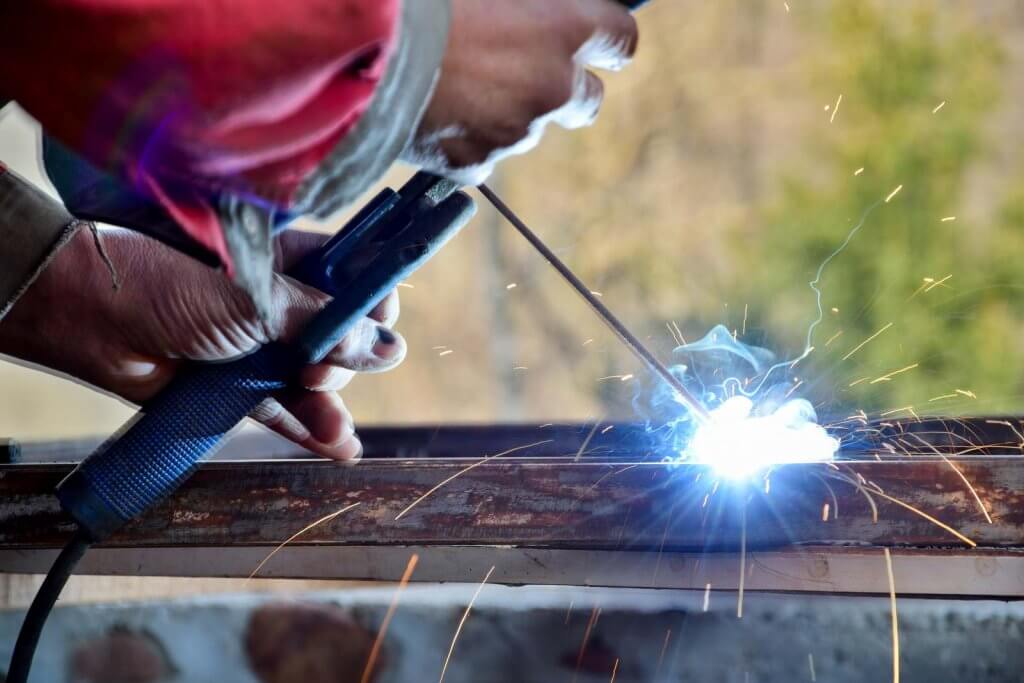
Steel fabrication is a process that aids in transforming the raw material into something or a product that can be used in houses, construction sites, assembly lines, and other locations. In order to avoid or reduce waste, this procedure needs competent experts who can assure there are few to no errors. Several techniques are used in steel fabrication. To shape and size the material to the specifications of the customer, this process includes machining, welding, cutting, drilling, coating, and bending.
In machining, machine operators remove unnecessary components and shape the metal into the desired shape and size using drills, lathes, and mills. In trimming, steel is cut into manageable size using techniques like plasma, water jet, or flame cutting. In welding, high heat levels are used by welders to melt and mix several raw materials into a single component. Zinc is applied to steel as part of the final fabrication step to assist prevent metal corrosion. Additionally, color is added based on customer request.
Advantages of Steel Fabrication
Assuring productivity and success in their varied word processes, steel fabrication enables numaerous businesses to operate their daily operations more effectively. Steel fabrication also offers the following advantages:
Saves Both Time and Money
Fabricated steel is typically simpler to install in architecture. This effectiveness aids architects in reducing building time. Additionally, less material is typically used because steel is typically lighter yet more durable than other building materials. Project managers can save more money thanks to this element. In other industries, the price of tools and equipment created through this technique is typically cheaper, and users can frequently pay these costs.
It Helps in Saving The Environment
As a material that can be recycled, steel is typically considered to be environmentally benign. Usually, when fabricating new products, experts can transform old tools made of this metal into different items. The alloy takes longer to degrade if it is kept outside in landfills, therefore doing so helps prevent pollution.
Steel fabrication aims to transform unfinished metal into products that may be used in a variety of settings, including homes, building sites, and assembly lines. To create the finished items, this process uses a variety of processes, including cutting, machining, welding, and coating. This process is utilized in diverse ways across numerous industries. Steel fabrication has many advantages in addition to being used in many industries. First, by using this technique, users can spend less time and money. In addition to improving steel durability, the process also lessens emissions, which can assist safeguard the environment.