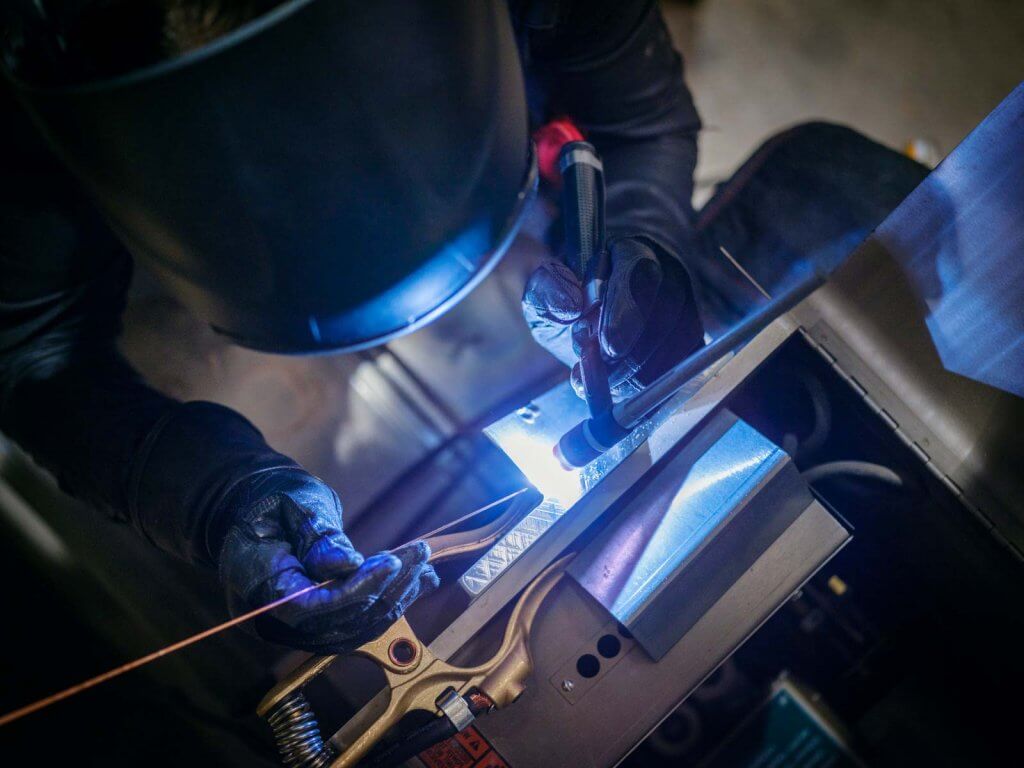
There are a variety of benefits to TIG welding. For starters, you’ll be able to weld metal in a horizontal position, which is an advantage for pipeline work. Additionally, the process allows for more complex joint designs and can be used on a variety of materials. TIG welders are especially sought after in the aerospace industry, because their work is usually done in tough environments.
Another benefit of TIG welding is that it produces clean welds. This is possible because it allows the welder to control the arc and the weld puddle with the help of a foot pedal. In addition, the lack of spatter and sparks makes TIG welds ideal for cosmetic welds. Additionally, the tungsten electrode tip can be ground to a point for greater control over heat input. TIG welds can also be made with filler metal.
Another drawback of TIG welding is the high amount of ultraviolet radiation it produces. In some cases, this radiation can lead to cataracts or other eye damage. This is why a welder should wear a helmet during TIG welding. The protective gear can prevent eye and skin damage. You can also use eye drops or pain medication to reduce the amount of exposure.
TIG Welding Stainless Steel
When TIG welding stainless steel, there are certain factors that need to be considered to make the welds strong and long-lasting. Precleaning the material is important to reduce heat buildup, as is ensuring sufficient shielding gas coverage. Welding at low temperatures can minimize heat buildup and ensure faster cooling.
Shielding gas is essential to prevent carbide precipitation during the welding process. The best shielding gas is pure Argon, but you may also use a mixture containing other gases. This shielding gas must remain over the weld for one second per 10A of welded current. When welding thin stainless steel, pure argon provides the best results. However, small percentages of helium can be used to increase penetration and travel speeds.
The main components of TIG welding are the electrode, heat, and filler metal. The heat is produced by electricity passing through the electrode. The shielding gas is a gas that surrounds the welding area to prevent it from being exposed to air. Finally, the filler metal is a wire that is dipped into the arc and melted.
When TIG welding stainless steel, it is important to use the proper filler metal. Filler metals help enhance the weld’s properties and are compatible with the final application.