


CNC milling machines have revolutionized manufacturing processes in various industries. These computer-controlled machines offer unparalleled precision, repeatability and efficiency in the creation of complex parts and components. Unlike traditional machining methods, CNC milling relies on pre-programmed software to guide cutting tools, allowing for complex designs and tight tolerances.
The versatility of CNC milling machines makes them indispensable in industries ranging from aerospace and automotive to medical and electronics. As technology advances, the role of CNC milling machines will continue to expand, enabling further advancements in a variety of fields.
What is CNC Milling Machines and How Does It Work?
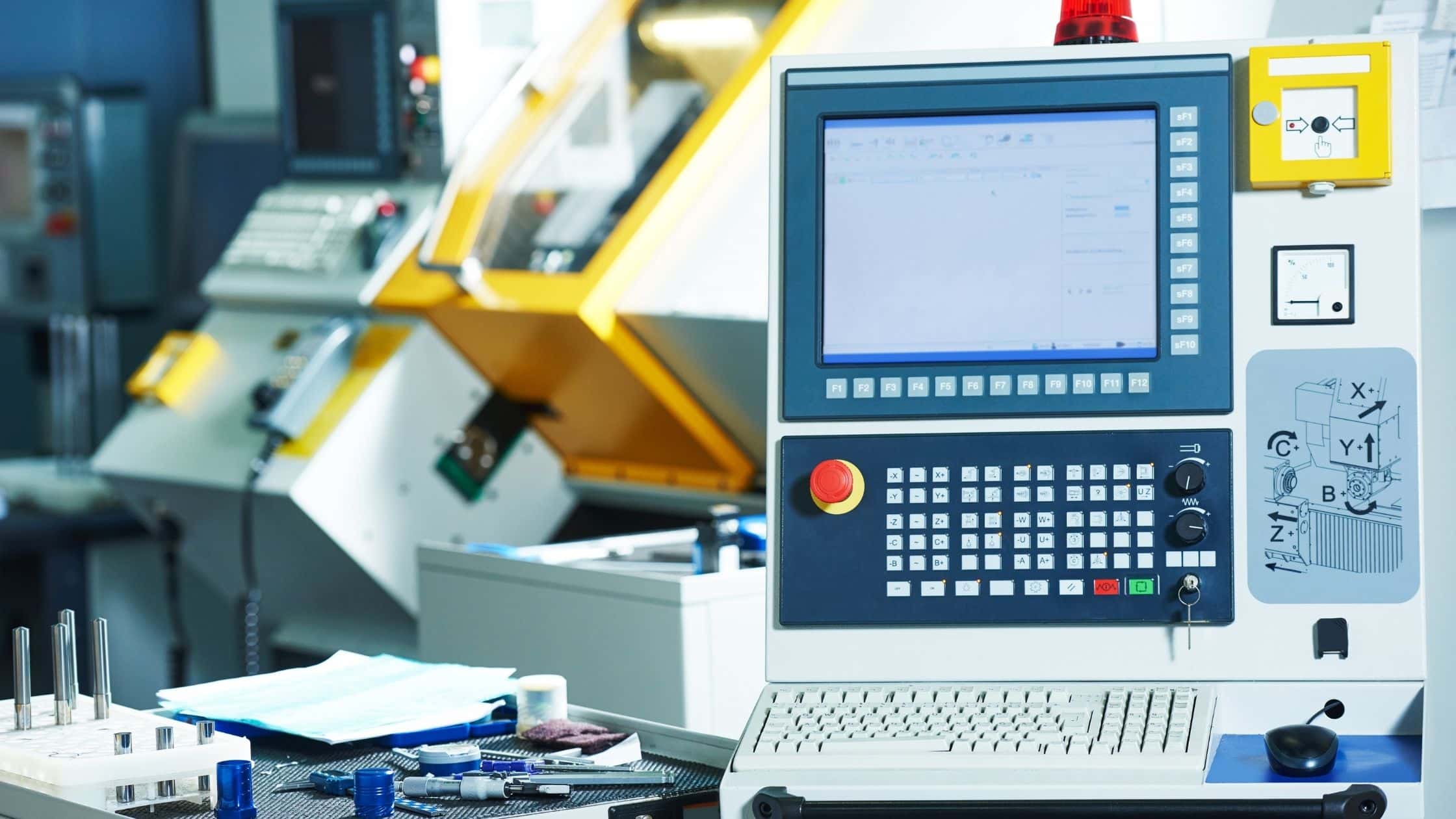
CNC milling, short for Computer Numerical Control milling, is a subtractive manufacturing process that uses rotating cutting tools to remove material from a workpiece to create a desired shape. The CNC milling machine bed provides a stable platform for the workpiece, while the spindle holds and rotates the cutting tool. This allows for much higher precision, accuracy, and repeatability. The process starts with a 3D CAD (Computer-Aided Design) model that is converted into a CNC program, also known as G-code. This program contains the instructions for the machine to follow, including the speed, feed rate, and path of the cutting tools. CNC milling machines can perform a variety of operations, such as drilling, boring, reaming, and contouring, making them incredibly versatile.
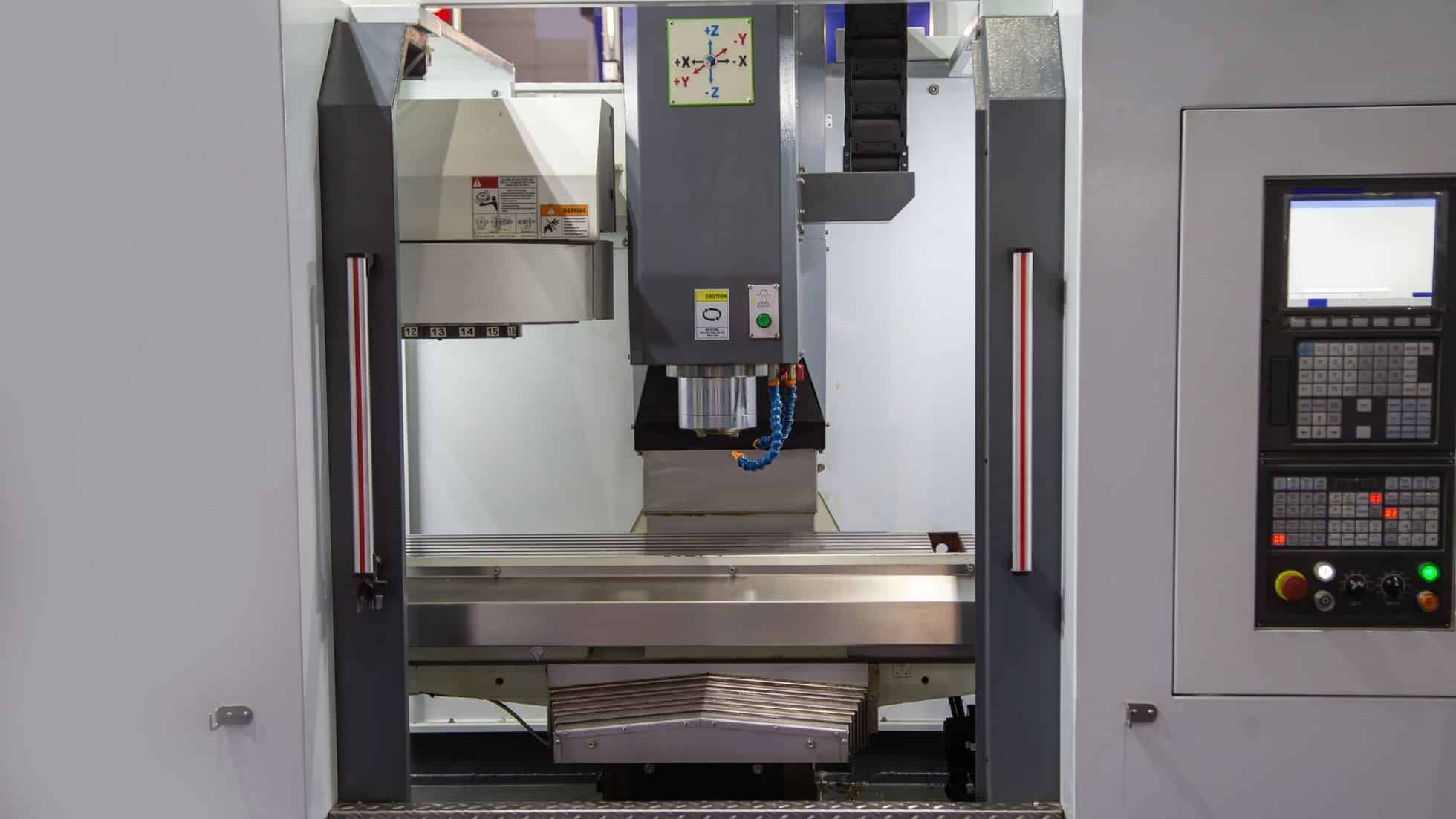
The basic components of a CNC milling machine include the machine bed, spindle, cutting tools, and the CNC control system. The machine bed provides a stable platform for the workpiece, while the spindle holds and rotates the cutting tool. The cutting tools come in various shapes and sizes, depending on the material being machined and the desired features. The CNC control system is the brain of the machine, interpreting the G-code and controlling the movement of the spindle and cutting tools. Advanced CNC milling machines often have multiple axes of movement, allowing for more complex geometries to be created. CNC milling machines can also be equipped with automatic tool changers, which can quickly switch between different cutting tools to perform multiple operations in a single setup.
One of the key advantages of CNC milling is its ability to produce parts with tight tolerances and complex geometries. This makes it ideal for applications where precision is essential, such as in the aerospace, medical and electronics industries. CNC milling machines can also be used to machine a wide range of materials, including metals, plastics, composites, and ceramics. The use of computer control also allows for easy modification of designs and quick turnaround times, making it suitable for both prototyping and production runs. The precision and efficiency of CNC milling machines have significantly improved manufacturing processes, enabling the creation of more complex and high-quality products.
Aerospace Industry Applications of CNC Milling
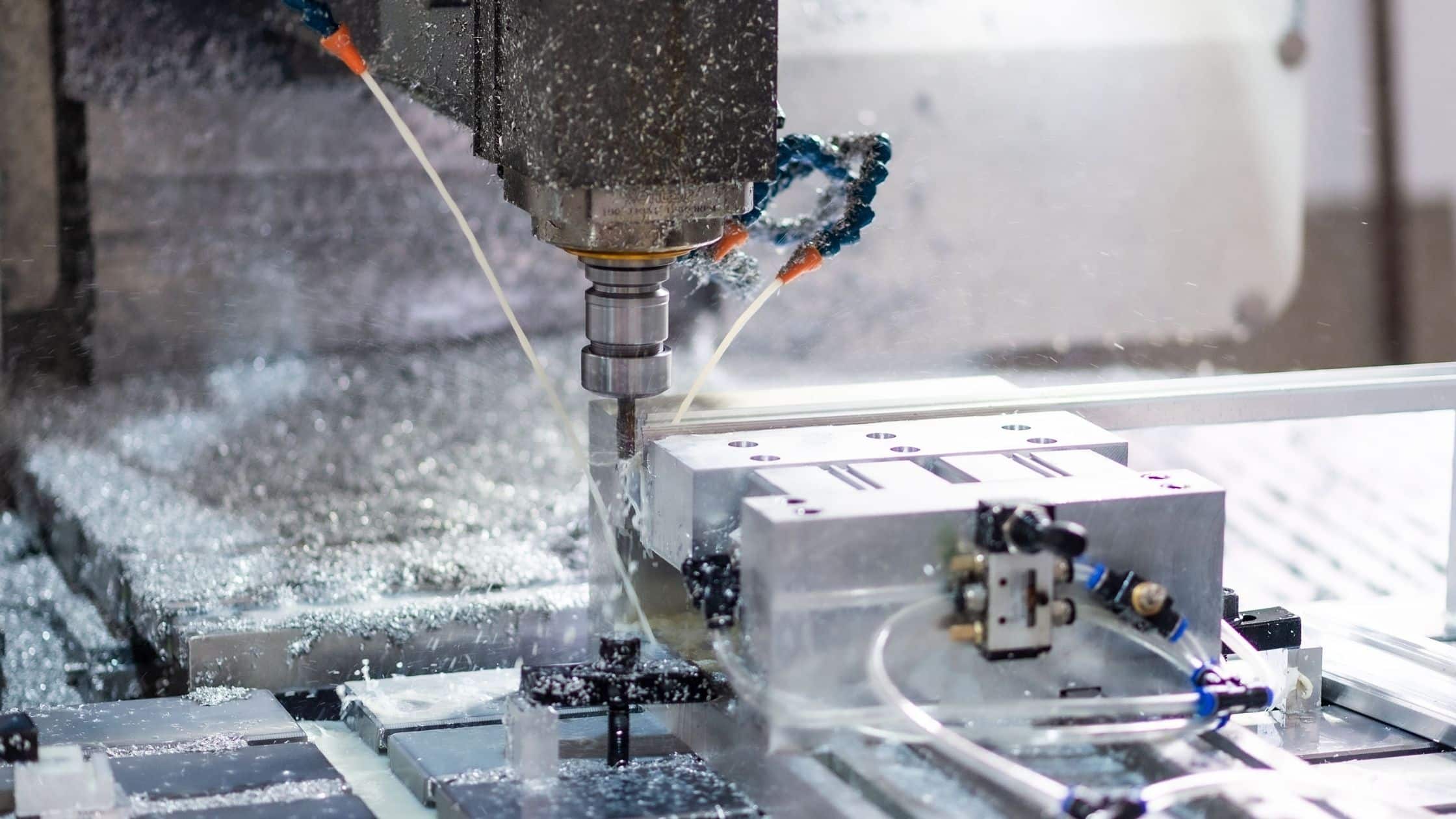
The aerospace industry relies heavily on CNC milling machines for the production of key components that require exceptional precision and reliability. Aircraft parts, such as engine components, landing gear parts, and structural elements, are often produced using CNC milling machines due to the stringent quality standards and tight tolerances required. CNC milling machines can handle a variety of materials used in aerospace, including aluminum, titanium, and composites, ensuring that the parts meet the demanding specifications of the industry. The ability to create complex geometries and intricate designs is essential for optimizing the performance and safety of aircraft.
One specific application of CNC milling in aerospace is the production of turbine blades for jet engines. These blades must be manufactured with extreme precision to ensure optimal aerodynamic performance and withstand high temperatures and pressures. CNC milling machines can create the complex curves and contours of turbine blades with the necessary accuracy and consistency. Another important application is the manufacturing of aircraft structural components, such as wing spars and fuselage frames. These parts require high strength and durability, and CNC milling machines ensures that they meet the stringent material and dimensional requirements. The automation capabilities of CNC milling machines also enable efficient production of large quantities of parts with consistent quality.
CNC milling is used in the aerospace industry for prototyping and developing new designs. Before mass production, new aircraft parts are often tested and refined using CNC-milled prototypes. This allows engineers to identify potential issues and optimize the design for performance and manufacturability. CNC milling machines provide the flexibility to quickly produce prototypes with different materials and designs, accelerating the development process. The use of CNC milling in aerospace not only ensures the quality and performance of aircraft components but also contributes to innovation and advancements in aviation technology.
Automotive Industry Applications of CNC Milling
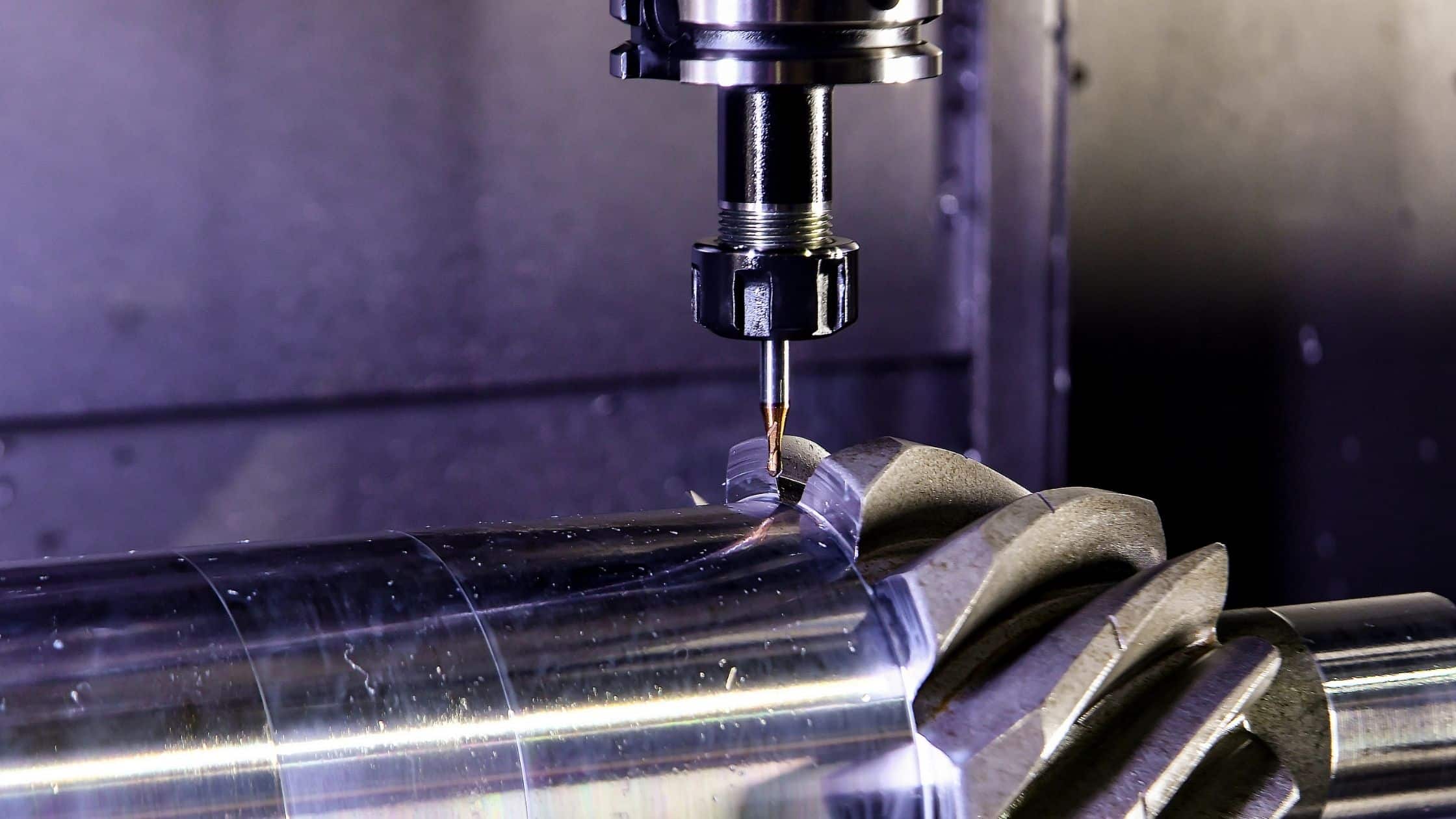
In the automotive industry, CNC milling machines play a crucial role in manufacturing a wide range of components, from engine parts to interior trim. The demand for high performance, fuel-efficient, and durable vehicles necessitates the use of precision manufacturing techniques. CNC milling machines offer the accuracy and repeatability required to produce complex parts with tight tolerances, ensuring the reliability and performance of automotive systems. The ability to machine a variety of materials, including aluminum, steel, and plastics, makes CNC milling versatile for various automotive applications.
One significant application of CNC milling in the automotive industry is the production of engine components, such as cylinder heads, engine blocks, and pistons. These parts require intricate designs and precise dimensions to ensure optimal engine performance and efficiency. CNC milling machines can create the complex shapes and contours of engine components with the necessary accuracy and consistency. Another important application is the manufacturing of transmission parts, such as gears and shafts. These parts must withstand high loads and speeds, and the CNC milling machine enables them to meet stringent material and dimensional requirements. The automation capabilities of the CNC milling machine also enable the efficient production of large quantities of parts with consistent quality.
CNC milling machines is also used in the automotive industry to create moulds and dies for plastic and metal parts. These molds and dies require high precision and surface finish to ensure the quality of the final product. CNC milling machines can create the complex shapes and contours of molds and dies with the necessary accuracy and surface finish.
CNC milling machines is utilized for prototyping and developing new automotive designs. Before mass production, new automotive parts are often tested and refined using CNC-milled prototypes. This allows engineers to identify potential issues and optimize the design for performance and manufacturability. The use of CNC milling in the automotive industry not only ensures the quality and performance of vehicle components but also contributes to innovation and advancements in automotive technology.
Medical Device Manufacturing with CNC Milling Machine
The medical device industry demands the highest levels of precision and quality in manufacturing components for medical devices, implants, and surgical instruments. CNC milling machines are essential for producing these critical parts, as they offer the accuracy, repeatability, and material versatility required to meet stringent medical standards. CNC milling machines can handle a variety of materials used in medical device manufacturing, including stainless steel, titanium, and biocompatible plastics, ensuring that the parts are safe and effective for their intended use. The ability to create complex geometries and intricate designs is crucial for optimizing the functionality and performance of medical devices.
One primary application of CNC milling machine in the medical device industry is the production of orthopedic implants, such as hip and knee replacements. These implants must be manufactured with extreme precision to ensure proper fit and function within the human body. CNC milling machines can create the complex shapes and contours of orthopedic implants with the necessary accuracy and surface finish. Another important application is the manufacturing of surgical instruments, such as scalpels, forceps, and retractors. These instruments require high strength and durability, and CNC milling ensures that they meet the stringent material and dimensional requirements. The automation capabilities of CNC milling also enable efficient production of large quantities of parts with consistent quality.
Furthermore, CNC milling machines is used in the medical device industry for creating custom prosthetics and implants tailored to individual patients. These custom parts require precise dimensions and designs to ensure optimal fit and function. CNC milling machines provide the flexibility to quickly produce custom prosthetics and implants with different materials and designs, improving patient outcomes. The use of CNC milling in medical device manufacturing not only ensures the quality and performance of medical devices but also contributes to advancements in healthcare technology and patient care.
Electronics Industry and CNC Milling Machines
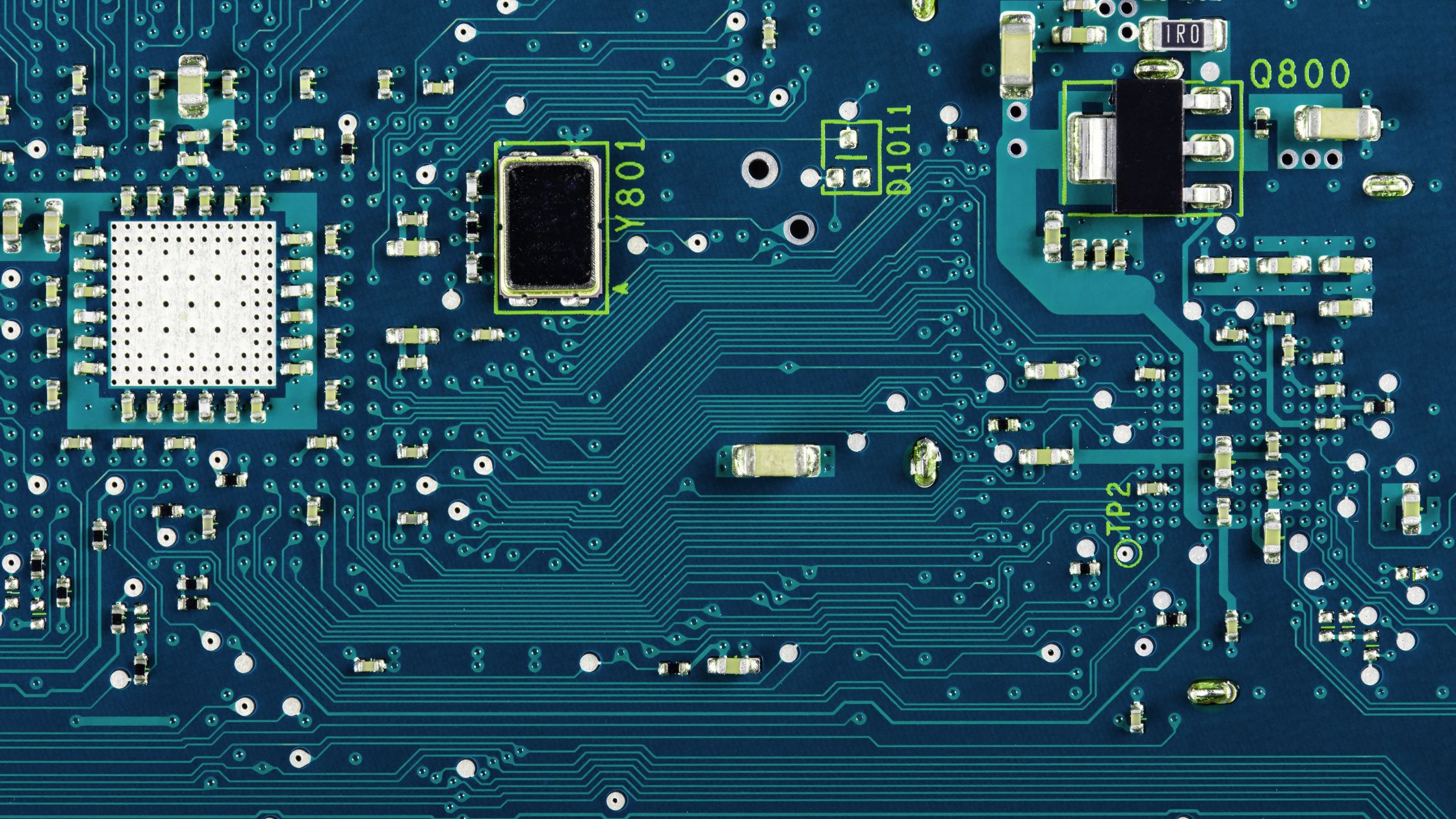
The electronics industry relies on CNC milling machines for manufacturing a wide range of components, from printed circuit boards (PCBs) to electronic enclosures. The miniaturization of electronic devices and the increasing complexity of circuit designs require precision manufacturing techniques. CNC milling machines offer the accuracy and repeatability needed to produce these intricate parts with tight tolerances, ensuring the functionality and reliability of electronic systems. The ability to machine a variety of materials, including copper, aluminum, and plastics, makes CNC milling versatile for various electronics applications.
One key application of CNC milling in the electronics industry is the production of PCBs. CNC milling can be used to create the complex patterns and traces on PCBs, allowing for the precise placement of electronic components. CNC milling machines can also be used to drill holes for component mounting and to route the edges of the PCB to the desired shape. Another important application is the manufacturing of electronic enclosures, which protect the internal components of electronic devices from damage and interference. These enclosures often require complex shapes and precise dimensions, which can be achieved using CNC milling.
Moreover, CNC milling is used in the electronics industry for creating prototypes and developing new electronic designs. Before mass production, new electronic devices are often tested and refined using CNC-milled prototypes. CNC milling machines provide the flexibility to quickly produce prototypes with different materials and designs, accelerating the development process. The use of CNC milling in the electronics industry not only ensures the quality and performance of electronic components but also contributes to innovation and advancements in electronic technology.
Prototyping and Custom Part Creation with CNC Milling
CNC milling machines are invaluable for prototyping and creating custom parts across various industries. The ability to quickly and accurately produce prototypes with different materials and designs is essential for product development and innovation. CNC milling machines offer the flexibility and precision needed to create complex geometries and intricate designs, allowing engineers and designers to test and refine their ideas before committing to mass production. The versatility of CNC milling makes it suitable for prototyping a wide range of parts, from mechanical components to electronic devices.
One major advantage of using CNC milling for prototyping is the ability to iterate quickly on designs. Engineers can easily modify CAD models and generate new CNC programs to produce prototypes with different features and dimensions. CNC milling machines can also be used to test different materials and manufacturing processes, allowing engineers to optimize the design for performance and manufacturability. This iterative process helps to identify potential issues early in the development cycle and reduce the risk of costly mistakes in mass production.
CNC milling is used for creating custom parts for specialized applications where mass-produced parts are not suitable. These custom parts may be needed for repairs, modifications, or unique projects. CNC milling machines provide the flexibility to produce these parts with the exact dimensions and materials required, ensuring that they meet the specific needs of the application. The use of CNC milling for prototyping and custom part creation not only accelerates product development and innovation but also enables the creation of specialized solutions for various industries.