
What is Aluminum TIG Welding? How is it Done?
Aluminum TIG welding, also known as Gas Tungsten Arc Welding (GTAW), is a specialized welding process renowned for its precision and ability to create clean, high-quality welds on aluminum. It’s a favored technique across various industries, including aerospace, automotive, and manufacturing, where strong and aesthetically pleasing joints are paramount. Mastering aluminum TIG welding requires a blend of skill, knowledge, and the right equipment. Unlike welding steel, aluminum presents unique challenges due to its high thermal conductivity and the formation of a tenacious oxide layer.
Aluminum TIG welding is a process that utilizes a non-consumable tungsten electrode to produce the weld. The weld area is shielded by an inert gas, typically argon, which protects the weld from atmospheric contamination. Unlike MIG welding, TIG welding offers superior control over the heat input, allowing for precise and clean welds, especially on thin materials like aluminum. AC TIG welding for aluminum is particularly effective because the alternating current helps to break up the aluminum oxide layer that forms on the surface. This oxide layer has a much higher melting point than the base aluminum, making it difficult to achieve a clean weld without AC. The alternating current switches between electrode positive (EP) and electrode negative (EN), with EP providing cleaning action and EN providing deeper penetration. This balance is crucial for achieving strong and sound welds.
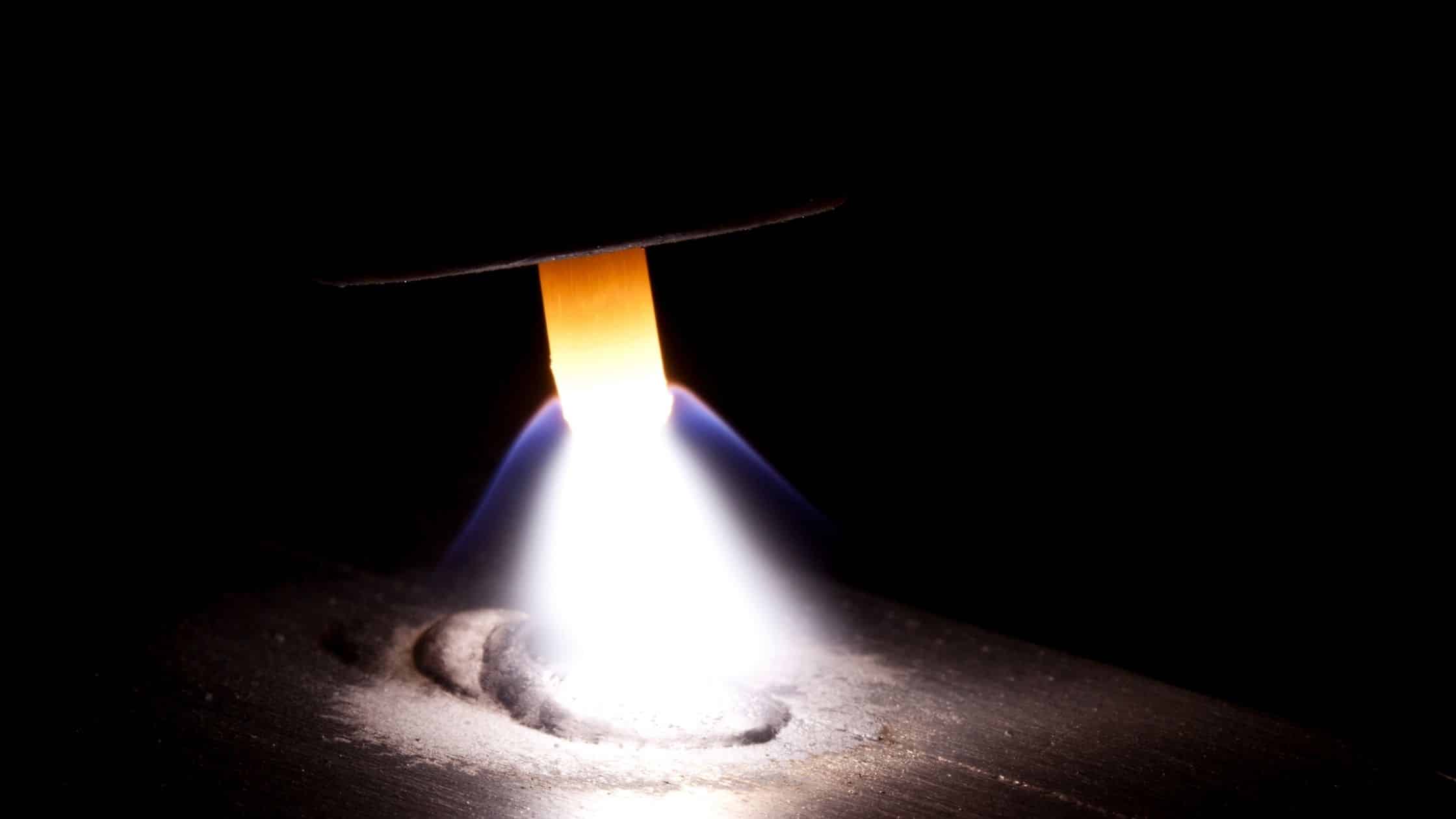
One of the key advantages of aluminum TIG welding is the ability to precisely control the heat input. This control is essential because aluminum has a high thermal conductivity, meaning it dissipates heat quickly. Excessive heat can lead to distortion, burn-through, or porosity in the weld. Skilled TIG welders use a combination of foot pedal control, amperage settings, and travel speed to manage the heat input and achieve the desired weld profile. The best settings for aluminum TIG welding will vary depending on the thickness of the aluminum, the type of alloy, and the specific welding machine being used. However, a general guideline is to start with lower amperage settings and gradually increase until the desired weld is achieved. Correct heat management in Aluminum TIG welding is also essential to minimise distortion and create aesthetically pleasing welds.
The choice of shielding gas is also very important in Aluminum TIG welding. Argon is the most commonly used shielding gas due to its excellent arc stability and ability to prevent oxidation. In some cases, helium can be added to argon to increase heat input and improve penetration in thicker materials. However, helium is more expensive and can be more difficult to work with. The flow rate of the shielding gas must be sufficient to completely cover the weld area and prevent atmospheric contamination. Inadequate shielding gas can lead to porosity and a weakened weld in Aluminum TIG welding. Therefore, selecting the appropriate shielding gas and maintaining the correct flow rate is crucial for successful Aluminum TIG welding with the TIG process. Also, ensuring that the gas lens and torch are clean will help maintain a consistent and effective gas flow.
Preparing Aluminum for TIG Welding
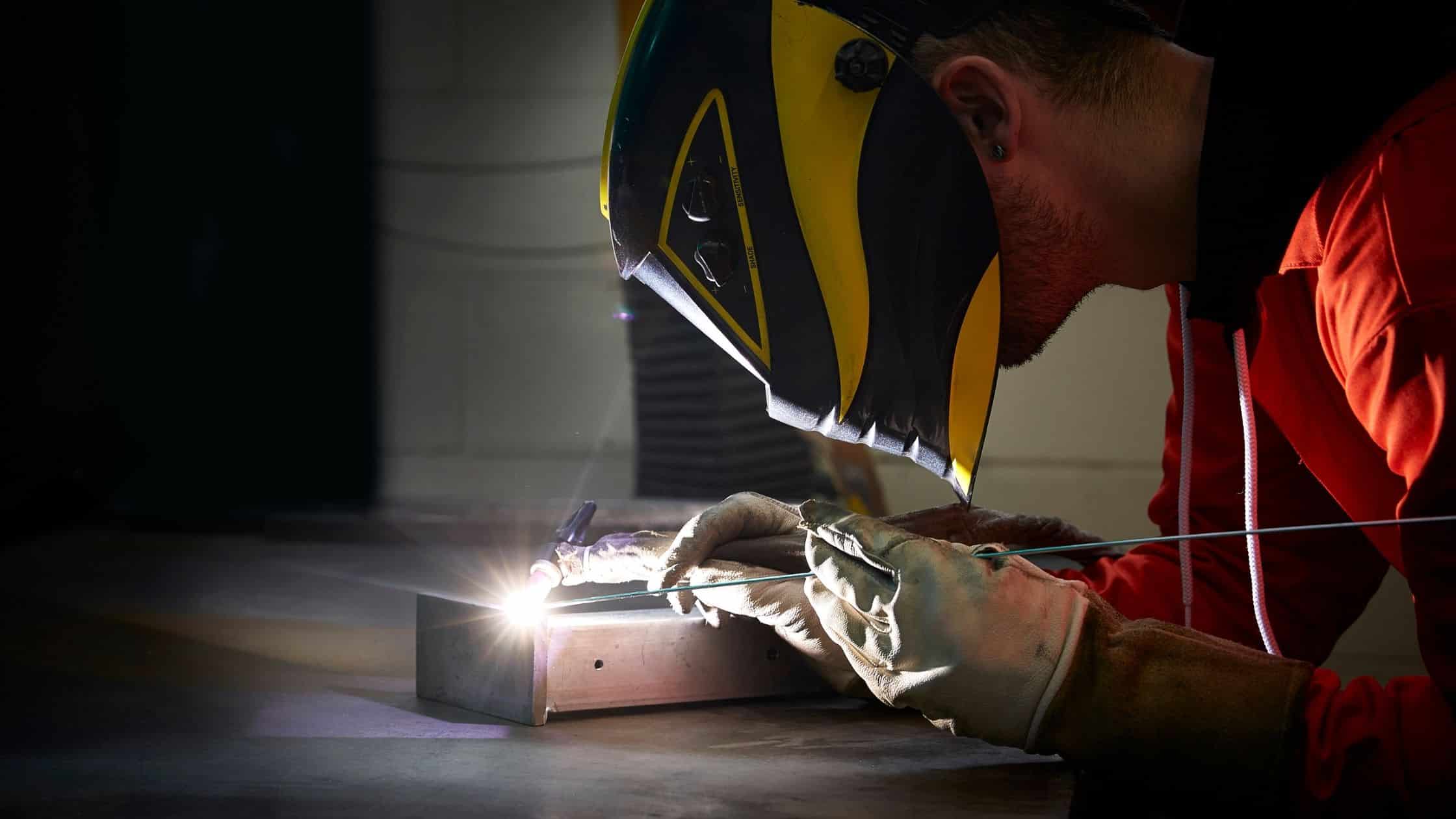
Proper preparation is paramount when welding aluminum with TIG process. Aluminum, unlike steel, readily forms an oxide layer on its surface when exposed to air. This oxide layer, aluminum oxide, has a significantly higher melting point than the base aluminum itself. If not removed, it can lead to weld contamination, porosity, and a weak, unreliable joint. Thorough cleaning is thus an essential first step. Start by using a stainless steel wire brush dedicated solely to aluminum to remove any surface contaminants, such as dirt, grease, or oxidation. Follow this with a solvent wipe using acetone or a similar degreaser to ensure the surface is completely clean. AC TIG welding for aluminum can help break up the remaining oxide layer, but it’s crucial to minimize its presence from the start.
Beyond surface cleaning, the placement of connections is another critical aspect of preparation. Aluminium’s high thermal conductivity means it can be prone to distortion if not properly secured. To minimise movement during aluminum TIG welding, ensure that the parts being welded fit snugly together and are clamped or spot welded firmly in place. Gaps or poor assembly can lead to excessive heat input in localised areas, resulting in distortion or burning. It is also important to select the correct filler metal for aluminum TIG welding. Select a filler alloy that is compatible with the base metal and suitable for the intended application.
Aluminum TIG Welding Techniques
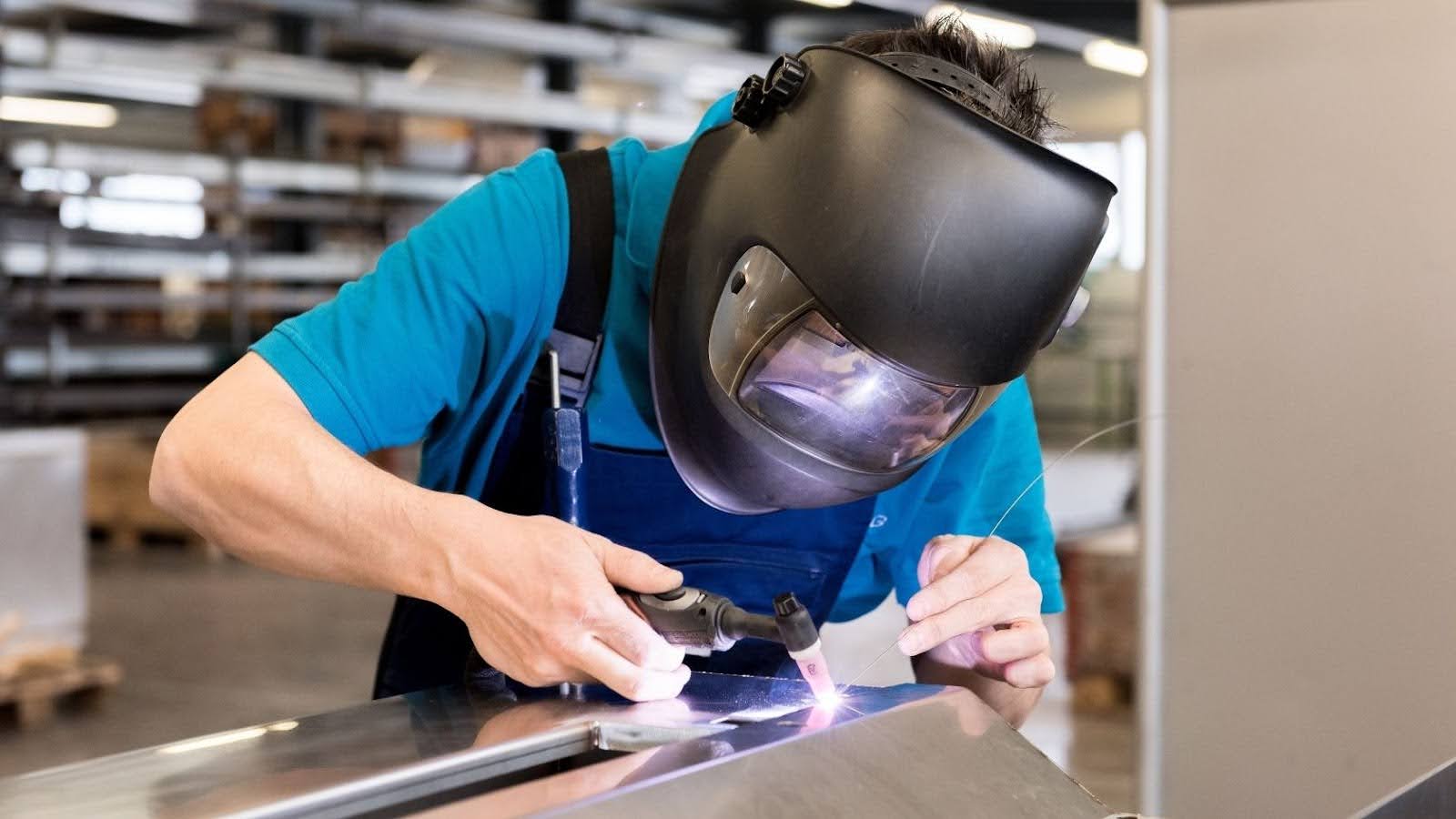
At Nova Fabrication, aluminum TIG welding is approached as a highly specialized process requiring precise control and expertise. Due to the high thermal conductivity and low melting point of aluminum, it is very important to maintain arc stability and thermal stability during welding. The use of alternating current (AC) is common in this process, allowing for effective oxide layer cleaning and controlled penetration, both of which are vital for joint integrity.
Each TIG welding application is evaluated based on the geometry of the part, the required joint strength, and the specific alloy in use. The parameters are calibrated to deliver optimal results while minimizing the risk of defects such as porosity or distortion, which are commonly associated with inconsistent arc length or overheating.
Torch Stability and Arc Consistency
Ensuring torch stability and maintaining a consistent arc distance are key elements in the TIG welding of aluminum. Nova Fabrication places particular emphasis on controlling travel speed and torch angle to achieve uniform bead appearance and consistent fusion across the weld joint. In certain applications, guided torch setups or controlled automation may be implemented to maintain repeatability and quality over extended runs.
The geometry and access limitations of the workpiece also influence the method by which the torch is maneuvered. Whether using support fixtures or advanced motion control systems, the priority remains on delivering consistent energy input and avoiding arc wandering.
Filler Metal Control and Weld Pool Management
Aluminum’s lack of visible color change during heating presents challenges in determining weld pool readiness. This characteristic requires a highly coordinated approach to filler metal addition. In Nova Fabrication’s welding processes, filler introduction is aligned precisely with the leading edge of the weld pool, minimizing turbulence and ensuring complete fusion.
The filler alloy is always matched carefully to the base material, not only to preserve mechanical properties but also to ensure corrosion resistance. Welds are inspected against internal criteria to confirm bead profile uniformity, metallurgical compatibility, and defect-free fusion zones.
Material Selection and Application Considerations
Different aluminum alloys behave uniquely under heat, which is why selecting the appropriate base and filler materials is essential to TIG welding success. For each project, Nova Fabrication reviews material specifications to align with application needs such as weight sensitivity, environmental exposure, or mechanical stress tolerance.
Material thickness, surface preparation, and expected lifecycle are all accounted for when determining welding parameters. TIG-welded aluminum tanks or structures—particularly in custom fabrication settings—must meet stringent durability and performance standards, and Nova’s processes are built to ensure those expectations are met reliably.
Troubleshooting Common Aluminum TIG Welding Issues
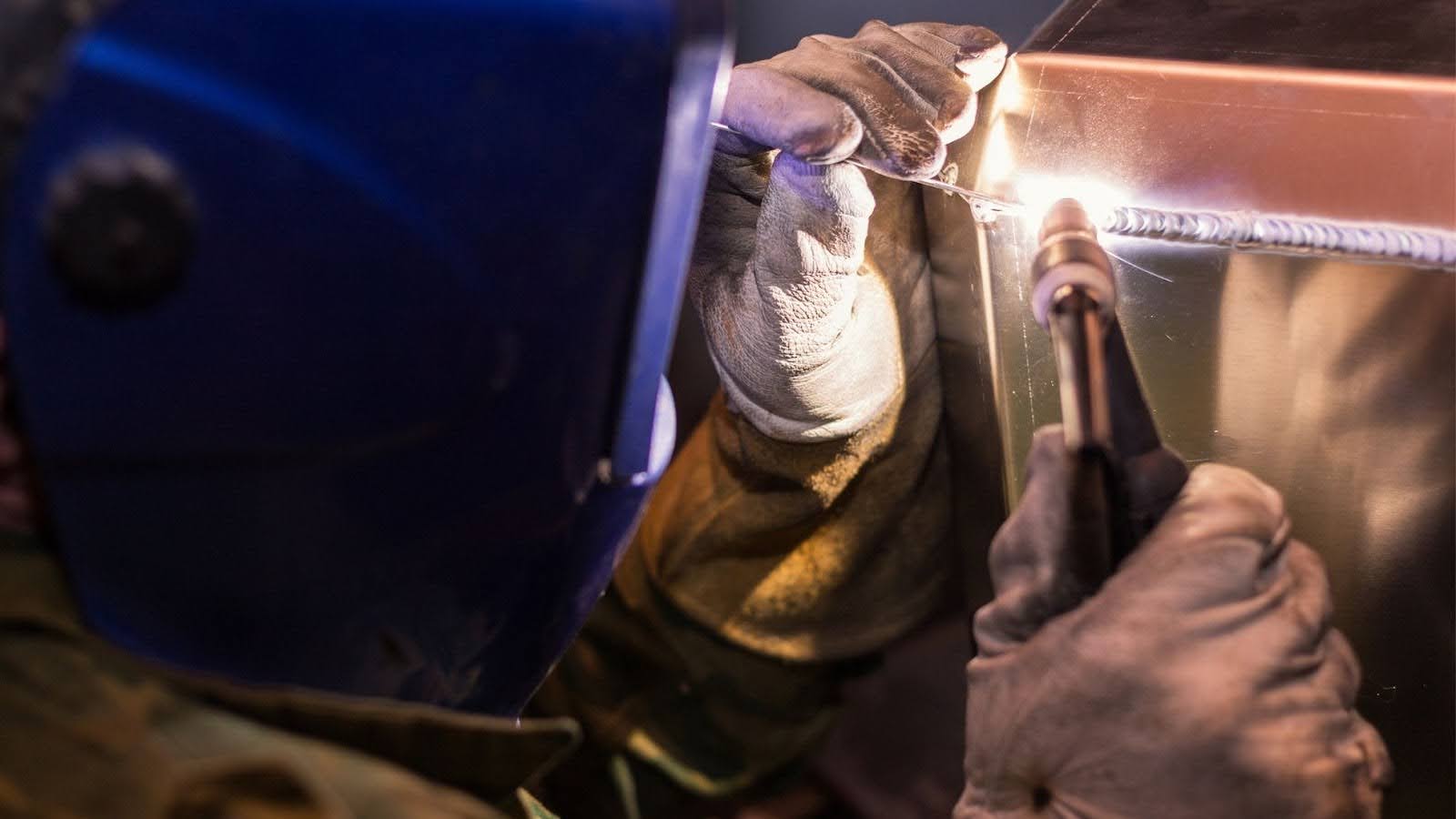
Within aluminum TIG welding processes, even under carefully controlled conditions, technical inconsistencies may arise. At Nova Fabrication, weld quality is ensured through systematic evaluations and process monitoring. Common issues such as porosity, burn-through, and arc instability are typically the result of material or environmental factors that require prompt identification and corrective action.
Advanced welding setups, continuous operator training, and quality assurance protocols form the basis of minimizing such occurrences, but understanding their root causes is also essential for process optimization.
Porosity in Weld Beads
Porosity is a frequent concern in aluminum welding and presents itself as trapped gas bubbles or voids within the weld. This issue is often linked to surface contamination—either on the base material, filler metal, or introduced via the shielding gas environment.
Nova Fabrication prioritizes pre-weld surface preparation and uses calibrated gas delivery systems to reduce the likelihood of porosity. In many cases, refining gas shielding methods, implementing gas lenses, and monitoring flow stability help ensure weld pool protection throughout the process.
Burn-Through on Thin Sections
Burn-through is generally observed when excessive heat input compromises the material’s structural integrity, particularly on thinner aluminum sections or near corners and edges. This type of failure compromises weld quality and dimensional accuracy.
To mitigate the risk, Nova Fabrication evaluates the compatibility between material thickness and welding parameters. Adaptive controls such as pulse TIG settings, optimized travel speed, and, where applicable, the use of heat sinks or backing materials are considered during process planning. These precautions support weld consistency while preserving the base material.
Arc Instability and Wandering
Arc wandering is another challenge occasionally observed during TIG welding, often influenced by factors such as electrode condition, shielding gas dynamics, or grounding inconsistencies. At Nova Fabrication, electrode condition is monitored routinely, and electrode types (e.g., ceriated or lanthanated) are selected based on arc behavior and welding specifications.
Stable grounding, uninterrupted gas coverage, and tungsten geometry are assessed to prevent arc deviation. Process engineers also monitor equipment calibration and electrical continuity to eliminate hardware-related inconsistencies. These measures contribute to a stable arc, which in turn ensures cleaner weld profiles and fewer rework requirements.
FAQ About Aluminum TIG Welding
What is the best type of tungsten electrode for aluminum TIG welding?
The most suitable electrodes for aluminum TIG welding are 2% ceriated or pure tungsten. Ceriated tungsten offers stable arc starts with AC current, while pure tungsten forms a balled tip preferred in some applications.
What is the ideal gas flow rate for aluminum TIG welding?
The ideal flow rate for aluminum TIG welding typically ranges from 15 to 25 CFH. Actual settings may vary depending on torch size, ambient airflow and material thickness.
How do I prevent aluminum from warping during TIG welding?
Using lower heat input, proper clamping and allowing cooling between passes can help reduce warpage when aluminum TIG welding. Preheating the material also promotes more even heat distribution.
What are common filler metal options for aluminum TIG welding?
For aluminum TIG welding, 4043 and 5356 are commonly used filler alloys.