

What Is The Pressure Vessel?
A pressure vessel is a sealed container designed to hold liquids, gases, or vapors at a pressure significantly different from the surrounding atmosphere. The primary purpose of a pressure vessel is to safely contain these substances under pressure, preventing leaks, ruptures, or hazardous incidents. Pressure vessels are widely used in industries such as chemical processing, oil and gas, and power generation, where maintaining controlled pressure conditions is critical for safe and efficient operations.
Pressure vessels are constructed in compliance with strict safety standards, such as those established by ASME (American Society of Mechanical Engineers) or the European Pressure Equipment Directive (PED). These standards specify the design, materials, welding methods, and testing procedures to ensure the structural integrity of the pressure vessel. Common materials used include carbon steel, stainless steel, and various alloys, chosen for their strength and resistance to corrosion. Regular inspections, non-destructive testing (NDT) and maintenance are essential to ensure its long-term safety and performance.
Why Use A Pressure Vessel?
The primary reason for using a pressure vessel is to safely contain fluids or gases under high pressure. This is essential for many industrial processes, including chemical reactions, storage, and transportation. Without a properly designed vessel, the risk of leaks, explosions, and other hazards would increase. These containers also allow precise control over pressure and temperature, ensuring efficient and consistent operation.
Beyond safety, these vessels offer versatility. They can be customized for various applications, with designs that withstand extreme temperatures and corrosive environments. They efficiently store large volumes of fluids or gases in a compact space. Customizable in size, shape, and material, they can be integrated into existing systems, providing flexibility for diverse industrial needs.
How To Use A Pressure Vessel?
Using a pressure vessel safely begins with understanding its design, operating limits, and safety procedures. The manufacturer’s instructions are reviewed, and all personnel are trained in proper handling techniques. Regular inspections are conducted to identify any signs of damage, such as cracks, corrosion, or leaks. Pressure and temperature are monitored to ensure they remain within specified limits, preventing over-pressurization.
When filling, correct procedures are followed to avoid overfilling or creating excessive pressure. Suitable equipment is used, and the fill level is carefully monitored. Pressure is gradually reduced when emptying the vessel to prevent sudden drops. Regular maintenance, including cleaning and inspection, is scheduled to extend the vessel’s lifespan. Accurate records of inspections and repairs are maintained to ensure compliance with safety standards.
How Does A Pressure Vessel Work?
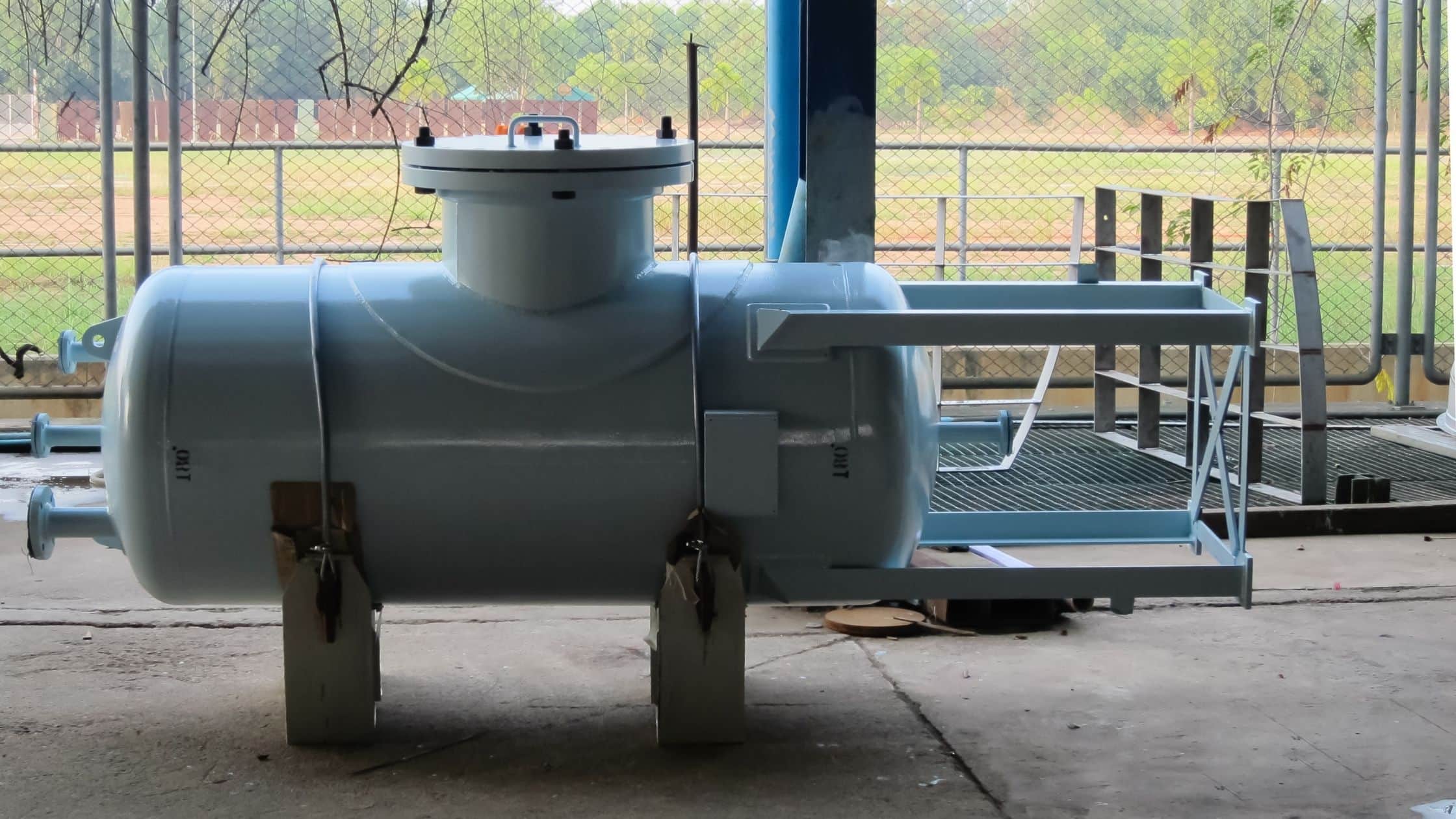
Choosing a pressure vessel involves assessing several important factors. First, the operating pressure and temperature are determined, as these parameters define the required material strength and thickness. The type of fluid or gas to be stored is also considered, especially if it involves corrosive substances that may require specialized materials or coatings.
Next, the vessel’s shape, size, and orientation are evaluated based on available space and capacity requirements. Compliance with relevant standards, such as ASME or PED, is ensured, and a manufacturer with a proven track record is selected. Regular maintenance and inspection are also planned to maintain long-term safety and reliability.
How Does A Boiler Pressure Vessel Work?
A boiler pressure vessel heats water under pressure to generate steam. The heat source can be a burner, electric element, or another thermal source. As the water temperature rises, it converts into steam, which can then be used for heating, power generation, or various industrial processes.
To ensure safe operation, the boiler vessel is equipped with safety devices such as pressure relief valves, low water cut-offs and automatic pressure controls. Regular maintenance, including inspections and water quality management, is crucial to prevent scale buildup, corrosion, and overheating, ensuring efficient and reliable performance.
How Do You Check A Pressure Vessel?
To check a pressure vessel, a visual inspection is performed to identify any cracks, corrosion, or leaks. Non-destructive testing (NDT) methods, such as ultrasonic or radiographic testing, are then used to detect internal flaws.
Hydrostatic testing is also applied, where the vessel is filled with water and pressurized above its operating level to ensure structural integrity. Regular inspections and proper documentation maintain safety and compliance.
What Are The Types Of Pressure Vessels?
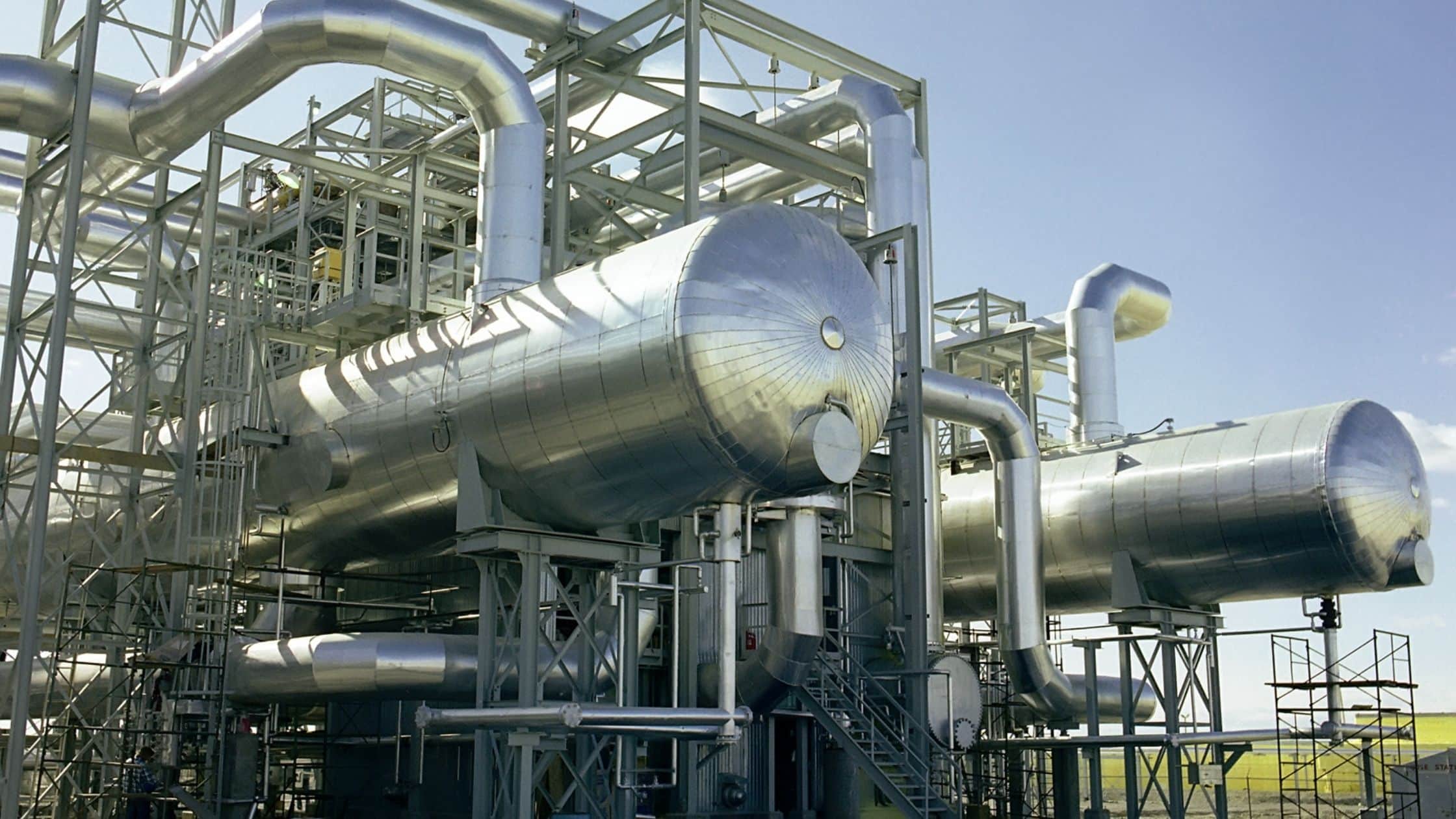
Pressure vessels are containers designed to store or transport gases or liquids under pressure. They are crucial in industries like chemical processing, oil and gas, and power generation. These vessels are categorized based on their shape and application, each type offering unique benefits for different industrial needs.
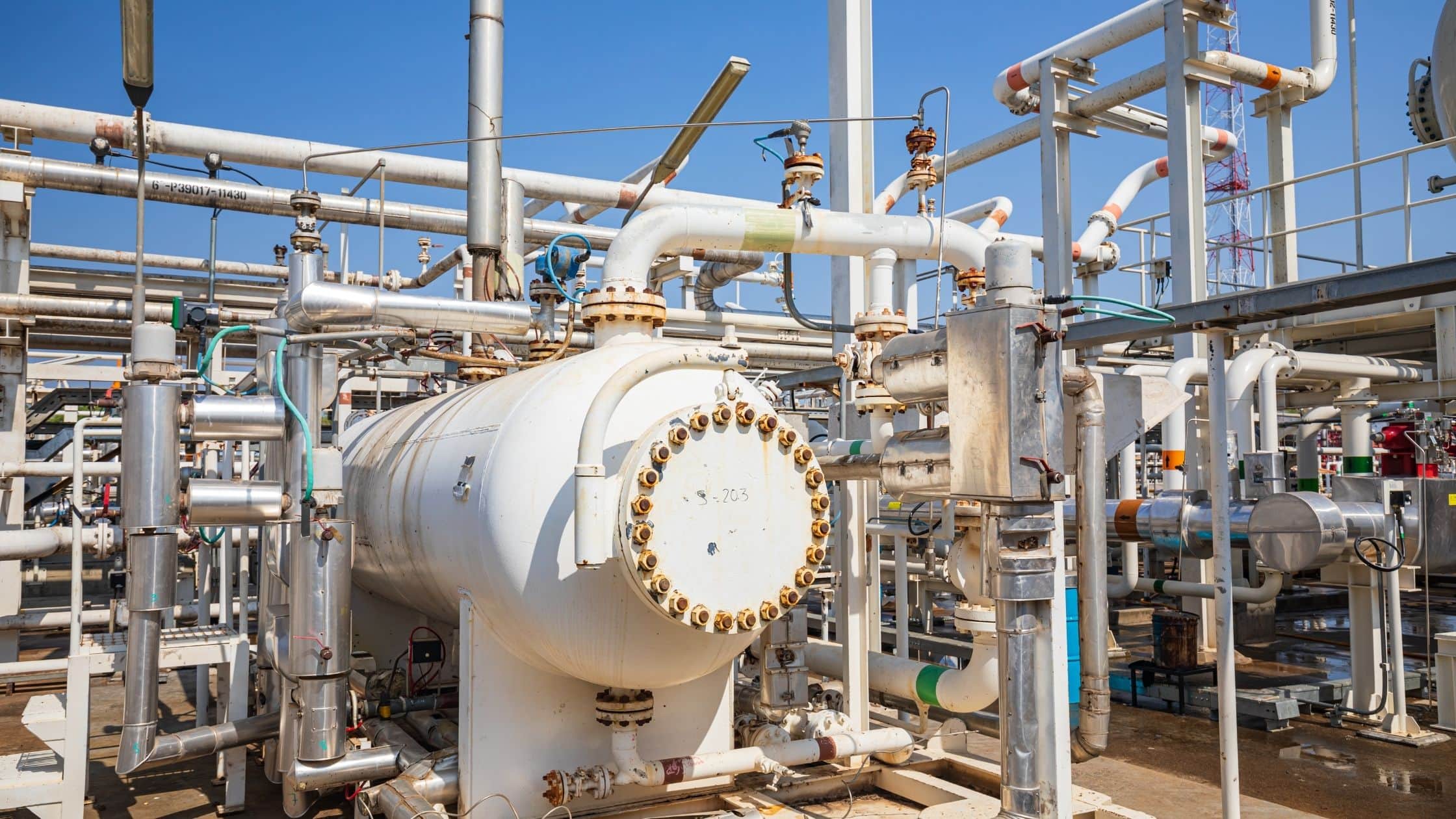
1. Cylindrical Vessels
Cylindrical designs are the most common, offering efficient pressure distribution along their curved surfaces. They are widely used for storing and transporting fluids under pressure. These vessels can have different end types, such as hemispherical or flat ends, each providing varying strength and cost efficiency.
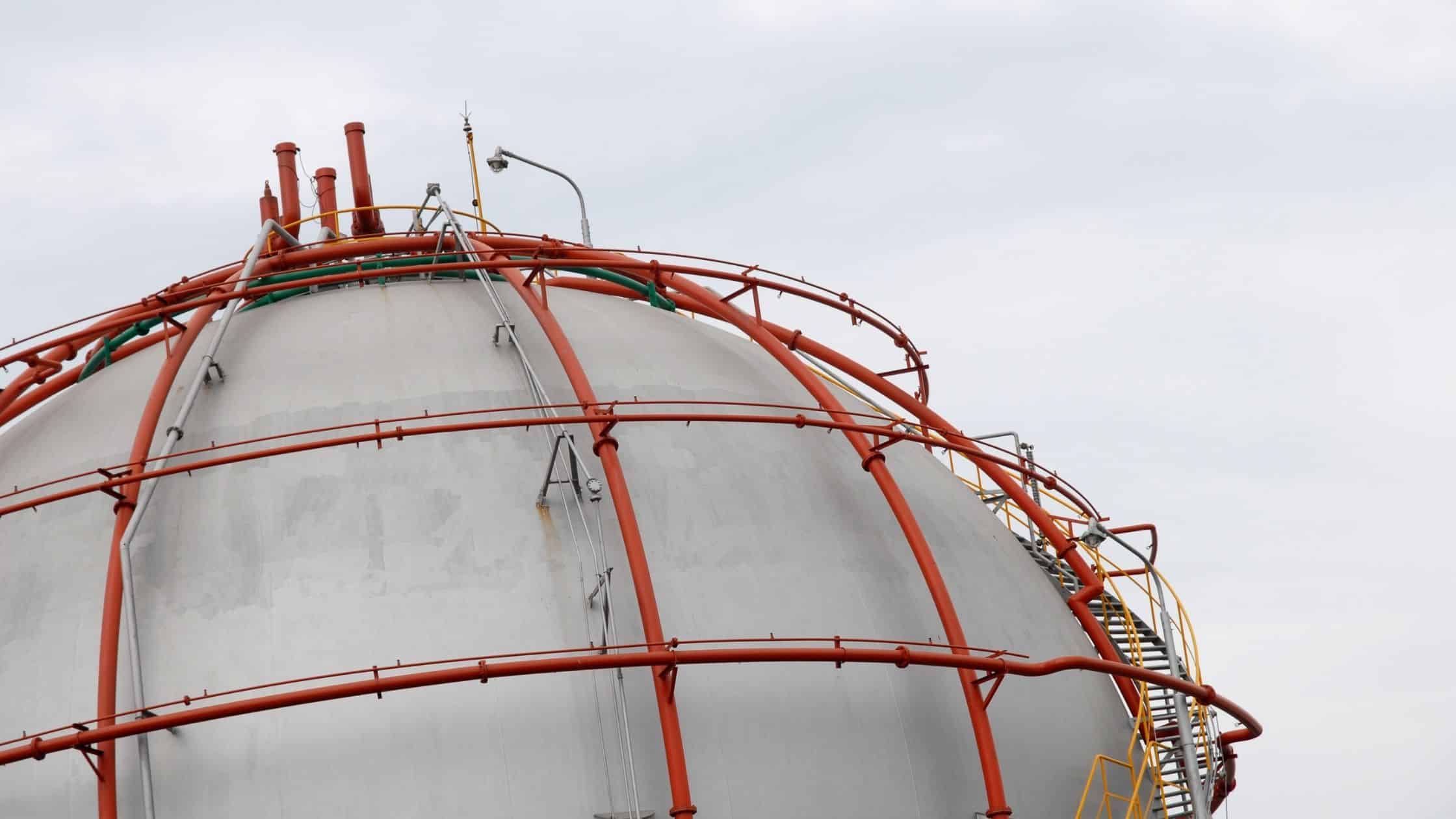
2. Spherical Vessels
Spherical vessels are known for their ability to withstand high internal pressures due to their uniform stress distribution. Commonly used for gas storage, they offer superior strength but are more complex to fabricate, requiring precise welding and strict quality control.
3. Cryogenic Vessels
Designed for extremely low temperatures, cryogenic vessels store liquefied gases like nitrogen, oxygen, and helium. They feature double-walled construction with a vacuum space for thermal insulation, making them ideal for medical, industrial, and research applications.
Understanding Types for Industrial Applications
Each type of vessel offers distinct benefits depending on the application. Cylindrical designs are preferred for general storage and process applications, while spherical vessels excel in high-pressure environments where structural integrity is critical. Cryogenic vessels are essential for maintaining extremely low temperatures in medical, research, and energy sectors.
Understanding these differences helps industries select the most suitable option for their needs. Regular inspections, compliance with safety standards, and proper material selection are crucial for ensuring safe and efficient operation.
What Is The Most Efficient Pressure Vessel Shape?
The most efficient shape for a pressure vessel is a spherical design. Spheres distribute stress evenly across their surface, making them ideal for high-pressure applications. However, they are more expensive and complex to manufacture compared to cylindrical options, which are more common due to their cost-effectiveness.
How Do I Choose A Pressure Vessel?
To choose a pressure vessel, consider the operating pressure, temperature, and the type of fluid or gas it will store. Select a material compatible with the contents and ensure it meets safety standards. Evaluate the vessel’s shape, size, and orientation based on available space and capacity needs.
Additionally, assess the vessel’s compliance with industry standards, such as ASME or PED, to ensure safe and reliable operation. Consulting with a qualified manufacturer can help you determine the most suitable design and materials for your specific application. Regular maintenance and inspection should also be part of your selection process to ensure long-term performance.
What Is The Minimum Pressure For A Pressure Vessel?
There is no universally defined minimum pressure for a pressure vessel, but many standards classify any vessel operating above 15 psi (1 bar) as pressurized. The exact threshold may vary depending on industry regulations and specific applications.
However, even vessels operating below this threshold may require compliance with safety standards if they store hazardous substances or operate in sensitive environments. Proper design, material selection, and regular inspections are essential to maintain safety and performance. Additionally, understanding the operating conditions and potential pressure fluctuations is crucial for ensuring the vessel’s reliability and preventing unexpected failures.
FAQs About Pressure Vessel
When a vessel fails, it can lead to leaks, ruptures, or explosions, causing severe damage or injury. Regular inspections help prevent such failures.
It is a container that holds gases or liquids under pressure, such as water heaters, LPG tanks, and air compressors used at home.
A pressure tank is specifically used for water storage, while a vessel is any container designed to hold gases or liquids under pressure.
A vessel stores pressurized gases or liquids, while a compressor increases gas pressure by reducing its volume.
A boiler is a vessel designed to heat water and generate steam, while a pressure vessel is any container that holds pressurized fluids.
This is a safety check that evaluates the condition of a vessel using methods like visual inspection, ultrasonic testing, and pressure testing.
A vessel is any container for storing substances, while a pressure vessel is specifically designed to hold gases or liquids under pressure.
It is a lightweight, high-pressure container made of composite material with a non-metallic liner, used for gas storage.
A vessel operating above 15psi is usually classified as pressurized, but this can vary according to industry standards.
Category 4 vessels are high-risk containers designed to withstand extremely high pressures, subject to strict safety standards.
It is a traditional all-metal vessel, typically made of steel or aluminum, used for high-pressure applications.