


How Are Stainless Steel Bollards Made?
Stainless steel bollards are ubiquitous in modern urban landscapes, serving a crucial role in safety, security, and aesthetics. From protecting pedestrians and storefronts to delineating traffic flow and enhancing architectural designs, these sturdy posts are a common sight. But how to build these durable and visually appealing structures?
The manufacturing process of stainless steel bollards is a fascinating blend of precision engineering, advanced metalworking techniques, and meticulous finishing. Understanding this process not only sheds light on the quality and resilience of these essential urban elements but also helps in making informed decisions when selecting the right bollards for specific applications. From the initial selection of materials to the final polishing and coating, each step in the creation of a stainless steel bollard is carefully executed to ensure optimal performance and longevity.
What Are Stainless Steel Bollards?
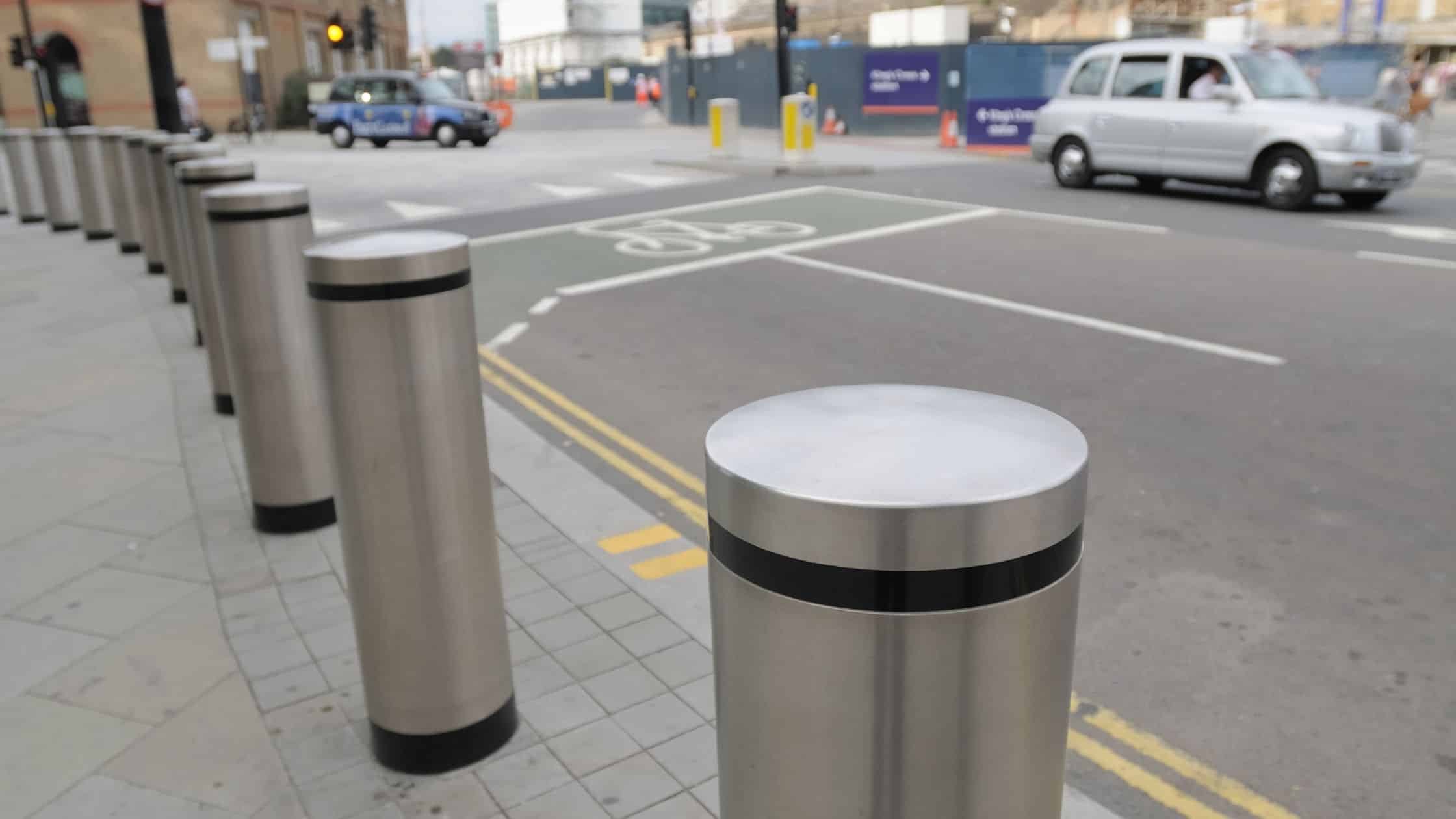
A stainless steel bollard is a vertical post made from stainless steel designed to act as a barrier, manage traffic, and improve visual appeal in both public and private spaces. It is commonly used to protect buildings, guide pedestrians, and restrict vehicle access. The stainless steel construction provides excellent corrosion resistance, ensuring durability in both indoor and outdoor environments. These posts are known for their sleek appearance and structural strength, which makes them ideal for high traffic and security sensitive areas.
Stainless steel bollards can be customized in height, diameter, and surface finish to meet functional and design requirements across various industries. Whether they are used to protect storefronts, outline pedestrian zones, or prevent unauthorized vehicle entry, a stainless steel bollard provides both form and function. The modern aesthetic of stainless steel enhances the urban environment while offering practical safety benefits. Stainless steel bollards are preferred for their longevity, minimal maintenance, and ability to seamlessly integrate into architectural designs. Nova Fabrication ensures that each bollard is manufactured to meet the highest safety and design standards, ensuring reliable protection.
How Are Stainless Steel Bollards Made?
A stainless steel bollard is manufactured through a process that begins with selecting corrosion resistant stainless steel, which is then shaped, welded, and finished for durability and performance. The process starts by cutting the raw stainless steel to the required length and diameter using high precision tools. After cutting, the material is shaped using rolling or bending methods, depending on the design specifications. The individual components are then welded together, forming a seamless and strong structure. This stage is important as the welds must ensure both the structural integrity and longevity of the stainless steel bollard.
Once formed, each stainless steel bollard undergoes a finishing phase that includes grinding to eliminate rough edges, polishing to enhance appearance, and applying protective coatings. Coating options can vary, including powder coating for additional protection and aesthetic alignment with the installation environment. The finishing stage enhances both corrosion resistance and the visual appeal of the stainless steel bollard. Every unit is inspected to ensure it meets quality and safety standards, resulting in a reliable product designed to perform in a wide range of outdoor and architectural applications.
What Type of Steel Is Used for Bollards?
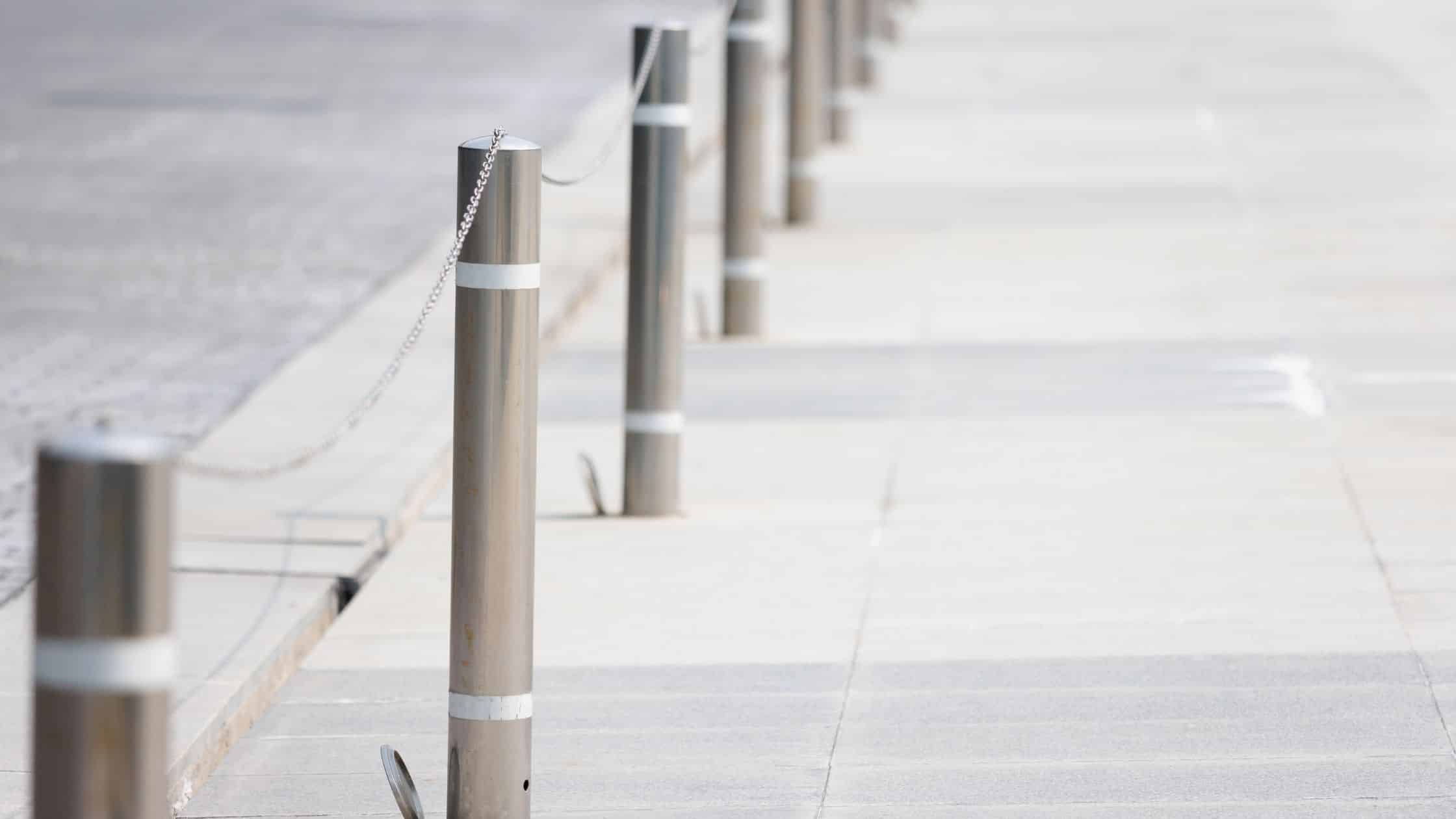
The most common type of steel used for bollards is 304 stainless steel, known for its corrosion resistance and durability in various environments. This alloy includes approximately 18% chromium and 8% nickel, making it a reliable material for manufacturing a stainless steel bollard intended for outdoor use where moisture and salt exposure are common. Another frequently used type is 316 stainless steel, which contains molybdenum and offers enhanced resistance to chlorides and marine conditions. The choice between these two types often depends on the specific application needs, including longevity expectations and environmental exposure.
In addition to 304 and 316 grades, other steel options can be considered depending on where the stainless steel bollard will be installed. Carbon steel, for instance, may be used in indoor settings or where the risk of corrosion is minimal, though it must be coated for protection. For high-impact applications, stronger steel alloys are preferred to ensure resilience. A stainless steel bollard may also be selected based on visual preferences, as it comes in finishes such as brushed, polished, or color powder-coated. Choosing the right type of steel directly affects the functionality and lifetime of any stainless steel bollard, making material selection an important step in the specification process.
What Is The Best Material for Bollards?
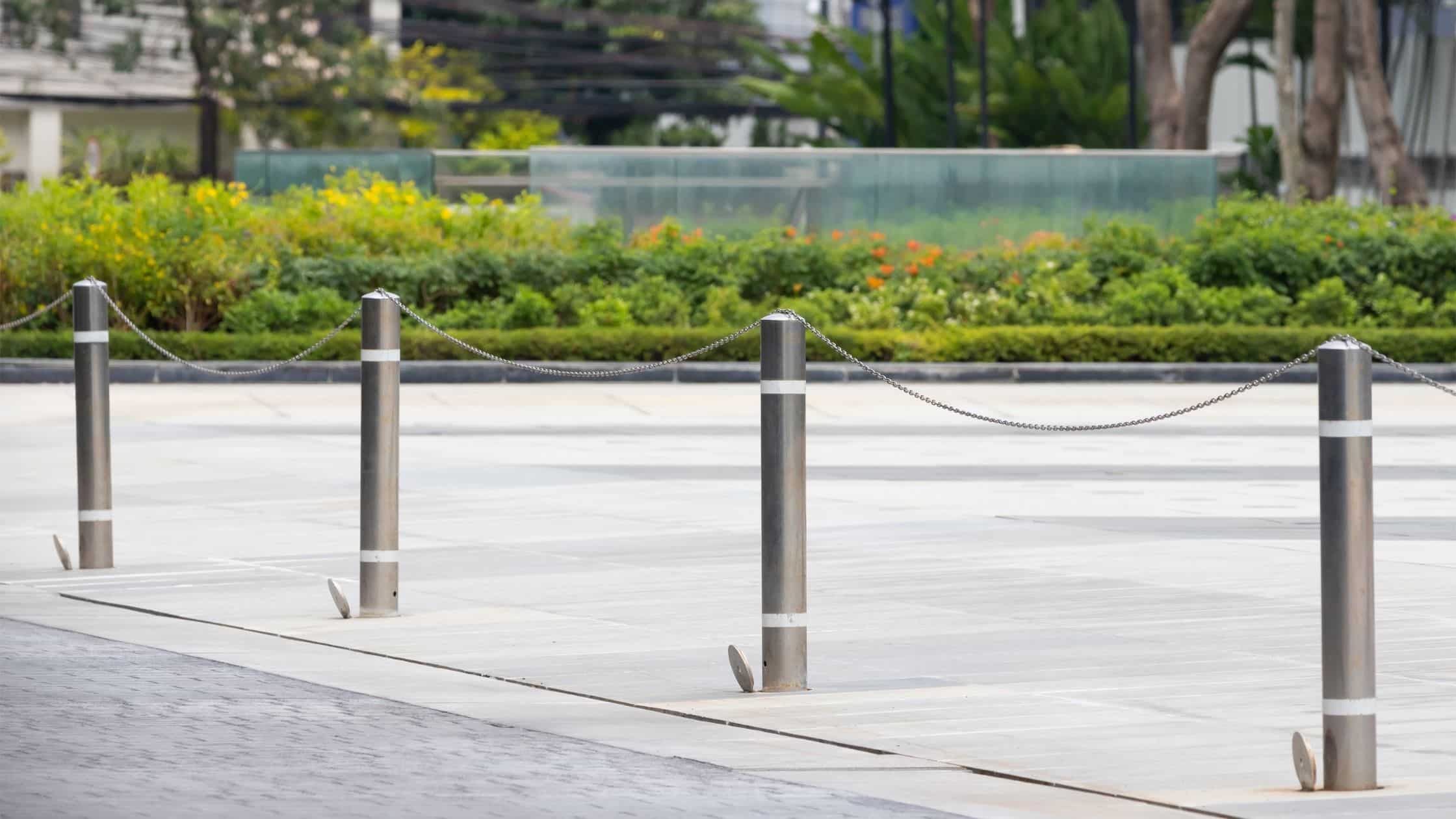
The best material for bollards depends on the intended use and environmental conditions. However, the stainless steel bollard is often considered the most effective solution due to its superior combination of strength, corrosion resistance, and visual appeal. Unlike options such as concrete or plastic, a stainless steel bollard can endure high-impact forces and harsh weather without deterioration. Its resistance to rust extends the product’s lifespan, making it a cost-effective choice for long-term use. Additionally, the clean, modern finish of a stainless steel bollard contributes to a polished look in both commercial and public environments.
While the stainless steel bollard offers distinct advantages, other materials are also used depending on specific requirements. Concrete bollards are robust and economical but are susceptible to cracking over time. Plastic bollards are easy to handle and install but lack the durability of steel. Carbon steel bollards offer strength but require coatings to prevent rust. Selecting the best material involves assessing durability needs, aesthetic preferences, and budget. When durability, hygiene, and a refined appearance are priorities, the stainless steel bollard remains the preferred and most reliable choice.
How Thick Are Stainless Steel Bollards?
The thickness of stainless steel bollards depends on where and how they will be used. For locations focused on managing foot traffic or marking boundaries, stainless steel bollards usually have a wall thickness between 1/8 inch and 1/4 inch. For areas that require stronger physical barriers, such as entrances to sensitive facilities or public infrastructure zones, this thickness may increase to 3/8 inch or more. The diameter also plays a significant role in determining how much force stainless steel bollards can withstand. Thicker and wider bollards are better suited to resist impact and provide long-term durability in demanding environments.
Apart from the wall thickness, the quality and grade of stainless steel directly affect the performance of stainless steel bollards. Some grades offer higher strength and better corrosion resistance, which can help maintain structural integrity even in harsh outdoor conditions. The welding and assembly techniques also contribute to the overall reliability of stainless steel bollards. Choosing models that are designed, tested, and manufactured with attention to detail ensures that the bollards fulfill both safety and aesthetic goals. With the right combination of materials and specifications, stainless steel bollards provide a durable solution for various protection and design requirements.
FAQs About Stainless Steel Bollards
Bollards must be made of durable materials, be of adequate height and diameter, and anchored securely into the ground. They should also comply with local safety, spacing, and accessibility regulations.
Yes, most fixed bollards are filled with concrete to increase strength, stability, and impact resistance, especially for traffic control and security purposes.
Bollards are typically painted yellow, black, or red for visibility. Stainless steel bollards are often left unpainted for a modern, corrosion-resistant finish.
Bollards can be anchored by embedding them in a concrete foundation or using mechanical anchors such as epoxy-set bolts for surface mounting.
A guard post usually refers to a protective barrier for people or property, while a bollard is a short post designed to control or direct traffic and prevent vehicle intrusion.
Concrete filling enhances the impact resistance and durability of bollards, making them more effective in stopping vehicles or providing structural stability.
Alternatives include planters, traffic cones, barriers, chain-linked posts, or reinforced benches, depending on the desired level of security and aesthetics.
Typically, bollards should be buried at least 18-36 inches deep, depending on size, soil type, and required impact resistance.
In most cases, bollards should be between 32 and 48 inches above ground to comply with visibility and safety standards.
Yes, postcrete can be used for small to medium-duty bollards as a quick-setting alternative to traditional concrete, but it may not suit high-impact applications.
To install bollards in existing concrete, core drilling is used to create a hole, followed by inserting the bollard and securing it with grout or concrete mix.
The recommended spacing is 3 to 5 feet apart, ensuring enough clearance for pedestrian flow while preventing vehicle access.