

What is the Laser Cutting Process?
The laser cutting process is a highly efficient, non-contact manufacturing method that uses a focused laser beam to slice through materials with extreme precision. Popular in industries ranging from automotive to aerospace, this technique is valued for its ability to produce clean edges, minimal waste, and complex geometries with ease.
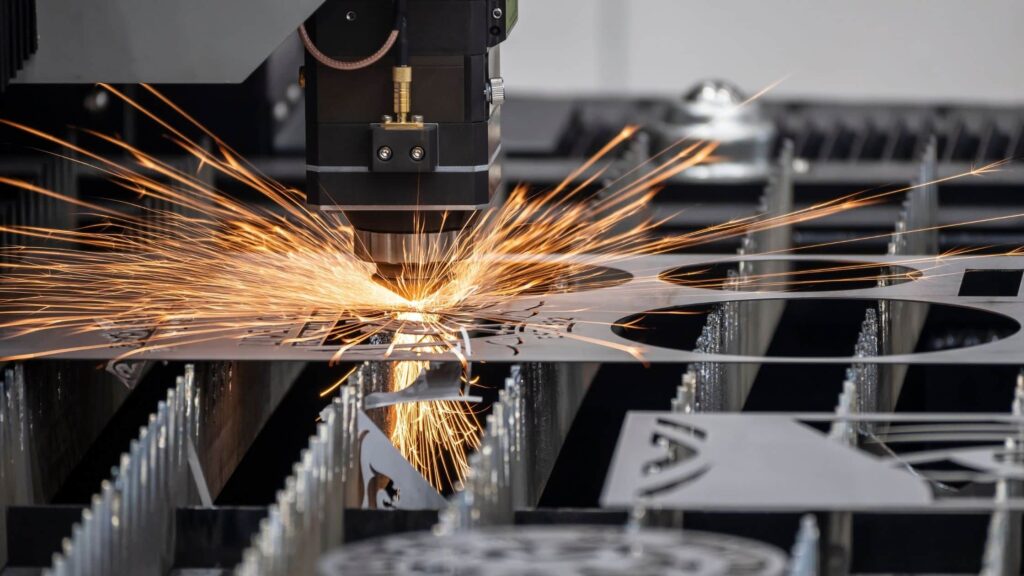
In the laser cutting process, a laser beam is directed at the material’s surface using CNC (computer numerical control) systems. The intense heat either melts, burns, or vaporizes the material. A stream of assist gas clears away debris to ensure a smooth cut. This level of control and repeatability is unmatched by traditional cutting tools, making laser cutting ideal for both prototyping and mass production.
It is also worth noting that this process significantly reduces the need for manual intervention. Once the digital design is loaded, the laser cutter can execute complex patterns and adjust for variations in material thickness automatically. This automation contributes to shorter lead times and more reliable outputs.
How is Laser Cutting Done?
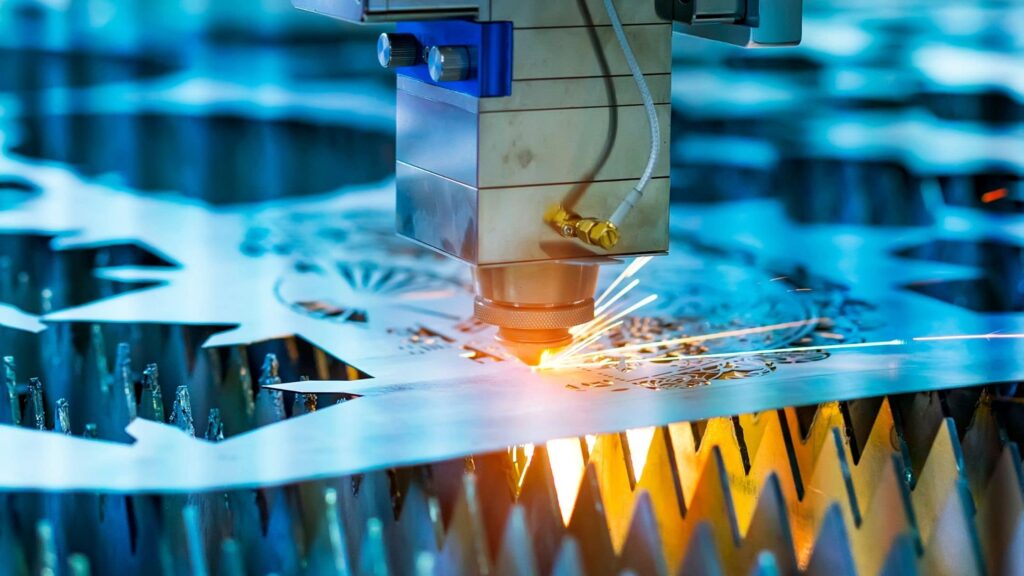
The process starts with a digital blueprint of the desired part. This CAD file is imported into the laser cutter’s system, which precisely controls the movement of the laser head. The laser beam is then focused through a lens onto the surface of the workpiece. The energy is so concentrated that it can cut, engrave, or perforate the material depending on the settings.
A key component of the laser cutting process is the use of assist gases. Nitrogen, oxygen, or air is often blown at the cutting point to remove molten material and prevent oxidation. The process allows for extremely narrow kerf widths, enabling tight tolerances and detailed designs. Because it’s a digital process, it’s easy to scale, modify, and replicate parts with consistency.
Another important factor is beam quality.. Advanced machines ensure optimal focus, stability, and cutting power across the entire work area. Beam modulation settings can also be adjusted for piercing, edge-smoothing, or fine engraving, adding versatility to the laser cutting process for different types of workpieces.
What is the Advantage Of Cutting With A Laser?
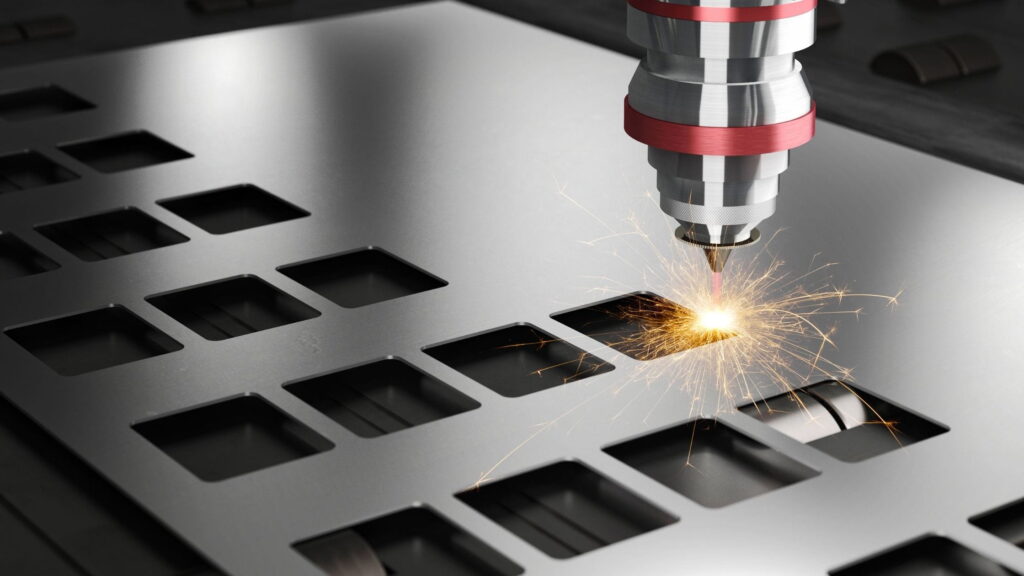
Unlike mechanical methods, the laser cutting process offers several distinct advantages that make it a leading technology in modern manufacturing.
- Precision: Laser beams can cut with tolerances as tight as ±0.1 mm, ideal for detailed designs.
- Speed: Especially with thin materials, laser cutting is significantly faster than traditional methods.
- Flexibility: The same machine can handle metal, plastic, wood, and more with simple setting adjustments.
- Minimal Post-Processing: Clean edges mean little to no sanding, deburring, or refining is needed.
- Automation-Friendly: Laser cutters integrate well with production lines and robotic systems, increasing throughput and reducing labor costs.
Additionally, the laser cutting process enhances worker safety by reducing the need for manual handling of sharp tools. The closed design of many systems, along with integrated dust collectors, helps maintain a cleaner and safer production environment.
From a sustainability perspective, laser cutting also generates less scrap and consumes less energy than traditional machining methods. Combined with faster setup and changeover times, this leads to improved operational efficiency and a lower total cost of ownership.
What Materials Can Laser Cutters Cut?

A major strength of the laser cutting process is its ability to work with a wide variety of materials. This adaptability means that a single laser system can be used for multiple applications, across different industries.
Compatible Materials Include
- Metals: Mild steel, stainless steel, aluminum, brass, titanium, and copper (with fiber lasers).
- Plastics: Acrylic, polycarbonate, Delrin, ABS.
- Wood Products: MDF, plywood, hardwoods.
- Others: Paper, textiles, leather, and even ceramics with proper settings.
Different types of lasers (CO₂, fiber, and crystal lasers) are better suited to different materials. While CO₂ lasers excel at non-metals, fiber lasers dominate in metal cutting applications due to their efficiency and precision. Regardless of the material, the laser cutting process ensures clean cuts and repeatable quality.
It’s important to match the laser type and power with the material properties. For example, cutting copper requires fiber lasers with high reflectivity handling, while plastics may require ventilation to avoid toxic fumes. The laser cutting process adapts to these needs with software-controlled adjustments and modular configurations.
Applications Of The Laser Cutting Process Across Industries
The laser cutting process plays a crucial role in sectors where accuracy, speed, and versatility are essential. It empowers manufacturers to meet demanding requirements without compromising quality.
In the automotive industry, it’s used for body panels, custom brackets, and intricate parts. In aerospace, where weight and precision matter most, laser cutting helps fabricate lightweight, durable components. The electronics sector uses it for precision cutting of enclosures and circuit boards. Even the fashion and signage industries apply laser cutting for textiles, leather patterns, and acrylic display pieces.
Additionally, laser cutting supports rapid prototyping, which allows engineers to iterate on designs quickly and cost-effectively. This versatility makes the laser cutting process an indispensable tool in modern fabrication.
In medical device manufacturing, laser cutting is applied to create surgical instruments, implants, and diagnostic equipment with extremely high accuracy. The laser cutting process ensures sterile edges and perfect repeatability, which are vital in healthcare applications. For architectural design, it’s used in metal panels, decorative features, and customized structures that require both functionality and aesthetics.
FAQ
Laser cutting can reach up to 30 m/min on thin metals, depending on power and material. Complex cuts or thicker sheets may reduce speed for better accuracy.
Most metals require lasers between 500W and 6000W. Thicker or reflective metals like aluminum may need even higher wattage for optimal results.
Costs vary by material, thickness, and complexity, averaging $0.10–$0.50 per inch. Minimum charges and setup fees may apply for smaller jobs.