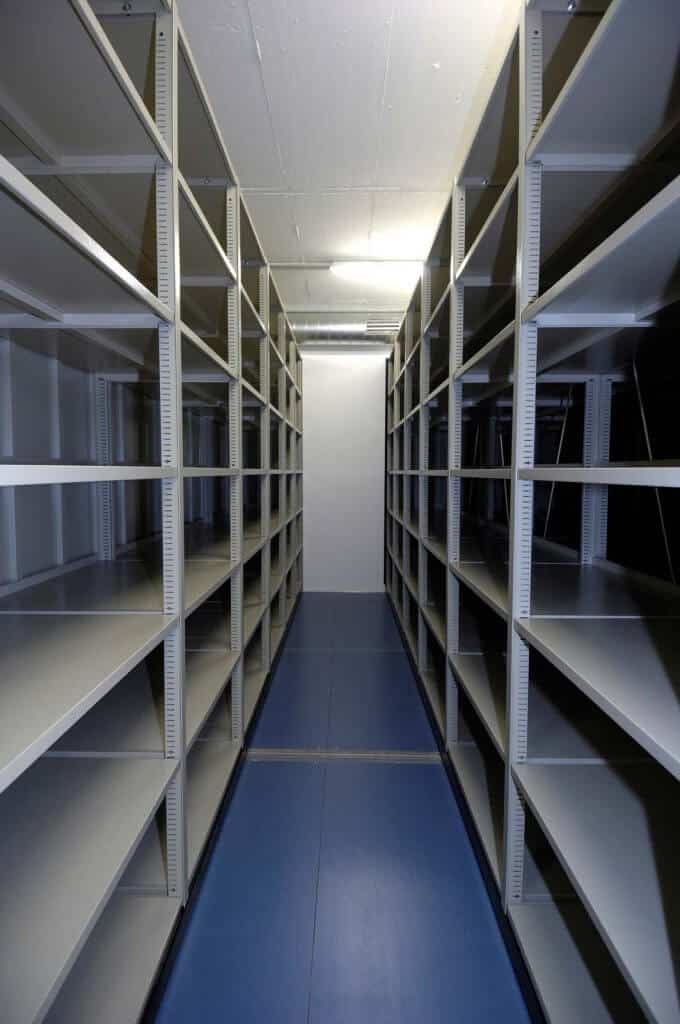
The screws that hold metal shelf supports to a cabinet or wall are often angled. You can remove them using a screwdriver or an electric drill. For angled shelf supports, use a screwdriver to back out the screws from the front. Once you’ve removed the screws, you can remove the shelf.
Some shelf supports are secured to the wall with plastic clips. Open the clips with a flathead screwdriver. These are usually secured with two or three screws. Some installations use end brackets to support the front of the shelf. The screws that secure the brackets can be removed using a flathead screwdriver. If this fails, try prying out the nail with plyers. It might be necessary to use a small flathead screwdriver.
Next, unscrew the retaining screws on the metal shelf. You can also unscrew the anchors using a flat blade screwdriver. Once the anchor is removed, simply lift the shelf up and remove it. This is a simple and safe way to remove metal shelf supports from your cabinet or wall.
Using a hammer to pry out metal shelf supports is a risky method. While it may be tempting, you risk damaging the wall with your efforts. Using pliers is a better choice. A hammer can damage the anchors or even rip holes in the wall.
Before you remove a metal shelf, it’s important to remove the anchors from the wall. If they are held by nails, remove them with a screwdriver, an electric drill, a scraper, or a pair of pliers. Once this step is complete, you can use the pliers and a screwdriver to remove the shelf from the wall.
How to Start Metal Shelf Production and What are the Processes?
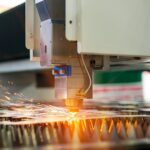
Metal shelf production begins with the design and dimensioning of the desired product. This is followed by the procurement of materials, marking out and cutting of the required shapes, welding, smoothing, filling, and painting. The goal of this process is to create a cost-effective and quality product that is competitive in the market.
The next step in the production process is the welding process, which involves the welding of steel strips in various shapes. This step will enhance the strength and appearance of the shelf storage rack. Besides, it can also improve the shelf’s anti-rust and moisture proof abilities. Lastly, it will ensure the shelf’s long-term service life.
The selection of steel should be considered carefully by the manufacturer. They should choose the right quality according to the task and requirements of the shelves. If the shelving units are going to be used in a commercial environment, it is best to choose a material that is resistant to corrosion and has high conductive properties. Stainless steel is often used in the food industry because of its easy-to-clean properties and resistance to corrosion.
Another advantage of metal shelving is its adaptability. The assembly is easy to assemble and can be customized to meet the specific storage requirements of a facility. It also creates a more efficient workspace and improves worker productivity. It also improves workflow and reduces the risk of production bottlenecks.