

What is the Process of Pipe Bending?
Pipe bending is a highly important process that is widely used in various industries. In construction, automotive, aerospace and more, bending pipes into specific angles and shapes is required to transport liquids or gases, provide structural support or create complex designs. Pipe bending transforms straight pipe segments into predefined curves or angles using controlled force and, when necessary, heat, while ensuring the pipe’s structural integrity is maintained. The pipe bending process requires careful planning and the right techniques to achieve the desired shape while maintaining the integrity of the pipe. Different materials, different bending methods and potential problems must be considered.
What are the 4 Different Kinds of Pipe Bending?
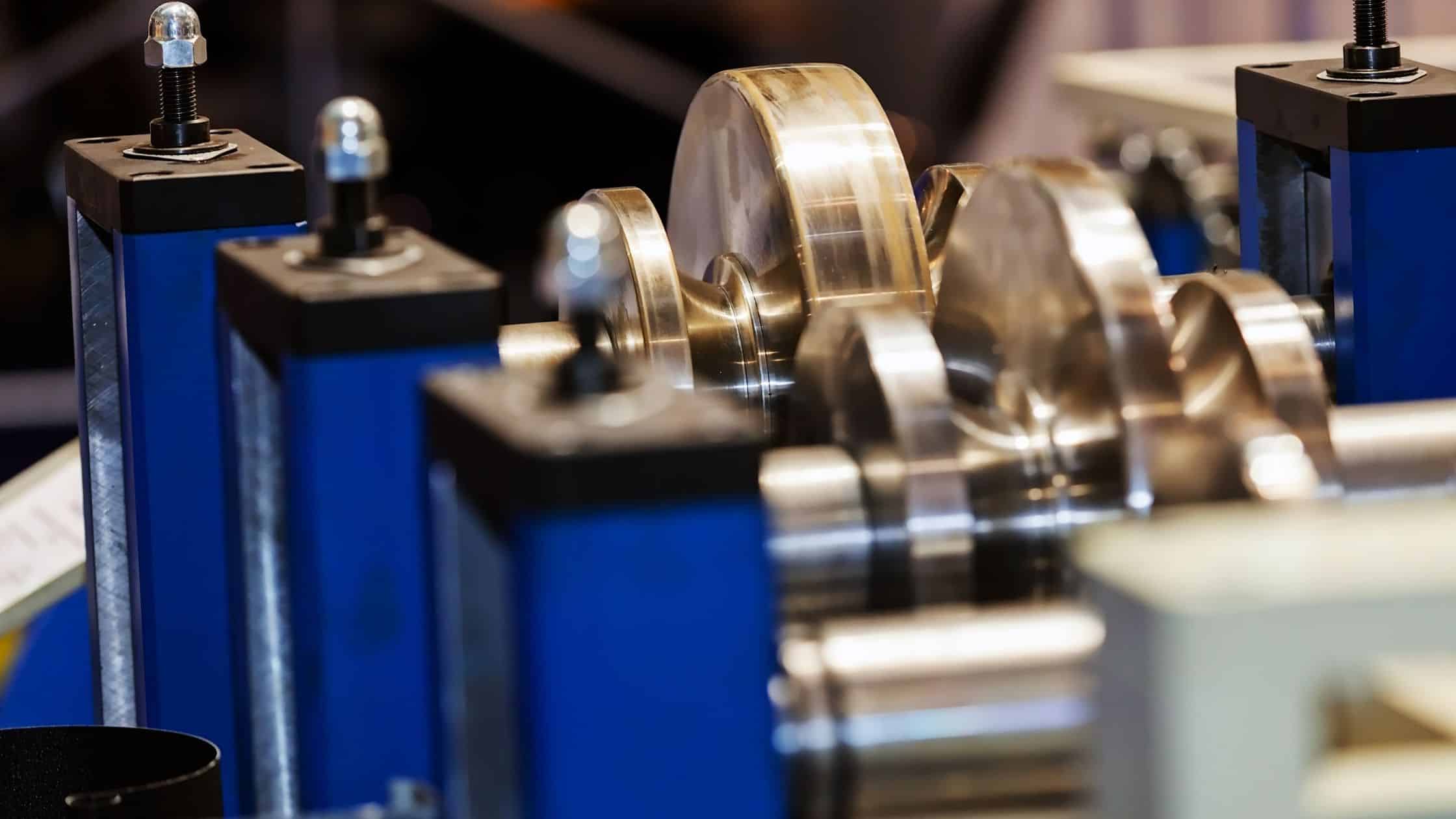
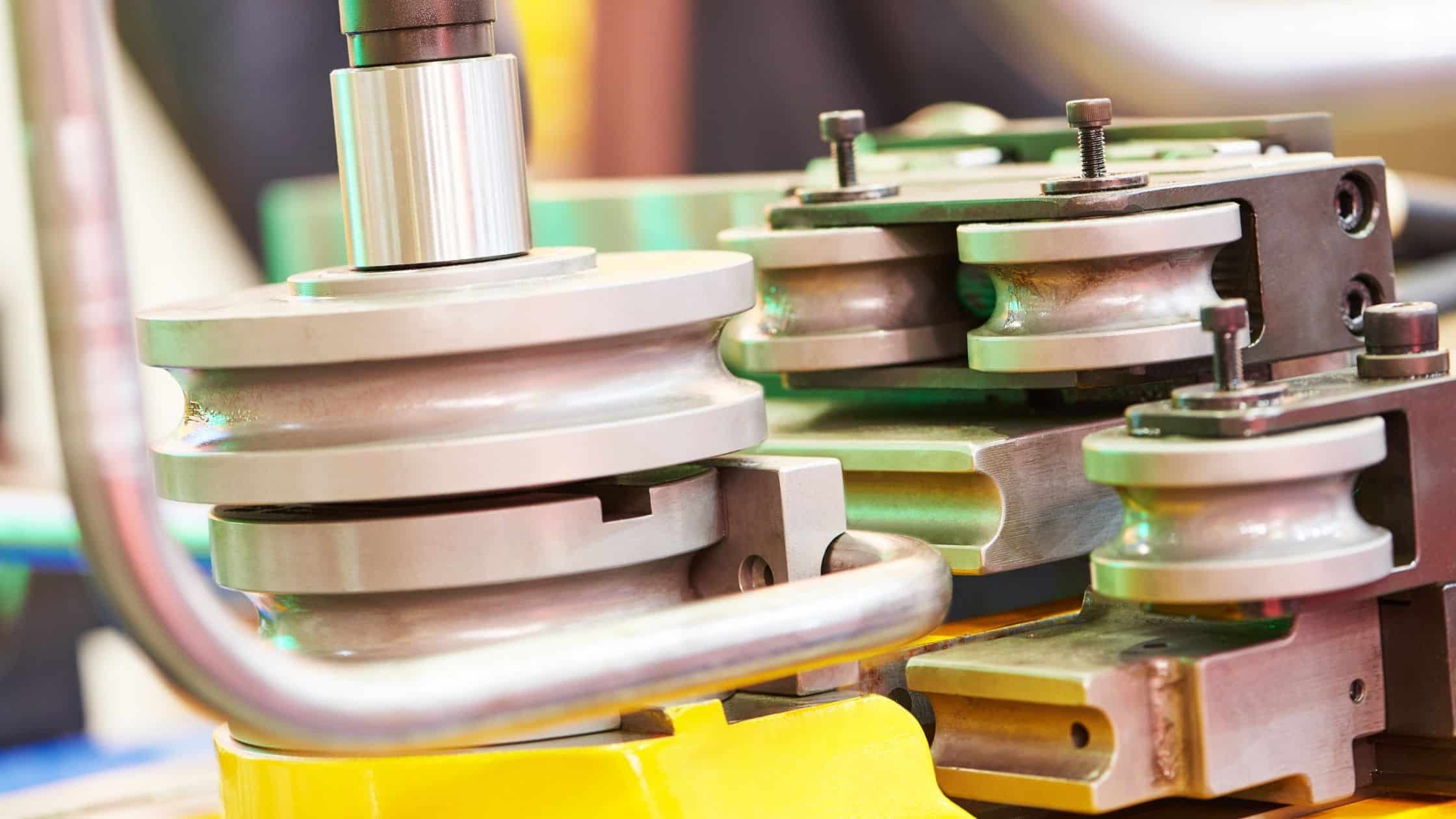
There are four main types of pipe bending used in industrial applications: mandrel bending, rotary draw bending, induction bending, and compression bending. Mandrel bending is ideal for tight radii and thin-walled pipes, as it prevents collapse. Rotary draw bending allows for precise, repeatable bends in various materials. Induction bending uses localized heating for smooth, large-radius curves, especially in thick-walled pipes. Compression bending is typically used for simple, large-radius bends without high precision. Each method has unique advantages depending on pipe diameter, material, wall thickness, and application needs. Selecting the right method ensures structural integrity and accurate results..
Mandrel Bending
Mandrel bending is a precise pipe bending technique used especially for thin-walled pipes. In this method, a mandrel is placed inside the pipe to prevent collapse or wrinkling during the bending process. This ensures smooth curves with minimal deformation and maintains pipe integrity.
The process is often carried out using rotary draw machines, where the mandrel supports the inner pipe wall while the pipe is shaped. Mandrel bükme çelik, alüminyum ve bakır gibi çeşitli malzemeler için uygundur.
Selecting the right mandrel and bending parameters according to the material properties significantly improves the quality and accuracy of the processes.
Rotary Draw Bending
Rotary draw bending is a versatile bending pipe method used to form pipes into various angles and shapes. The pipe is clamped onto a rotary table and bent precisely using bending and pressure dies. This technique works well with manual, hydraulic, and CNC controlled machines.
Rotary drawing is ideal for applications requiring tight radii and consistent accuracy. It allows bending radii to be adjusted by changing die shapes, making it suitable for different materials and pipe sizes. Choosing the right die setup is crucial to avoid deformation during the process and to achieve high quality results.
Induction Bending
Induction bending is a precise pipe bending method that involves locally heating a specific section of the pipe using an induction coil. Once heated, the pipe is mechanically bent without affecting the rest of its structure. This technique is highly efficient for large-diameter, thick-walled pipes and helps reduce energy consumption by focusing heat only where needed.
In the pipe bending process, CNC controlled machines manage the coil position, heat duration, and force application with high accuracy. Induction bending is commonly used in the oil and gas, power generation, and chemical industries where reliable and repeatable bends are essential.
It works with various materials like steel, stainless steel, aluminum, and copper, though thermal properties must be considered.
Key factors to consider when selecting a pipe bending method:
- Pipe material
- Diameter and wall thickness
- Required bend radius
- Tolerance specifications
- Volume of bends
Choosing the right pipe bending method ensures better performance, cost-efficiency, and structural integrity.
What is the Pipe Bending Rule?
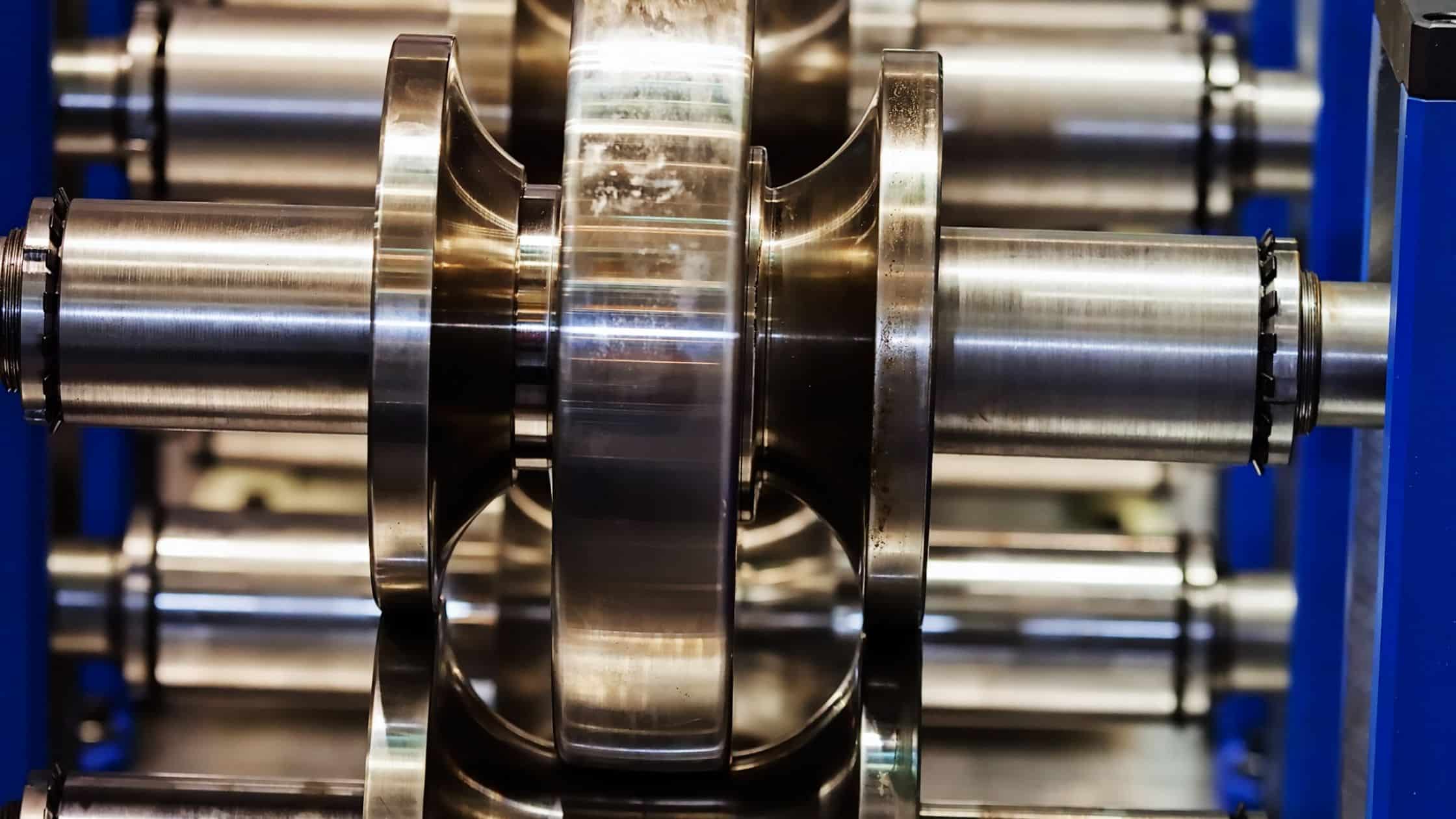
Pipe bending rules define the parameters required to bend pipes safely and effectively. These include material type, pipe diameter, wall thickness, bend radius, and bending method. Following these rules helps prevent pipe collapse, wrinkling, or deformation. Correct rule application improves both performance and structural reliability in these processes.
Minimum Bend Radius
Minimum bend radius is the smallest radius at which a pipe can be bent without damage. This value depends on the pipe’s outer diameter, wall thickness, and material flexibility. For instance, steel pipes typically require a minimum radius 1.5 to 2 times their outer diameter. In pipe bending, not respecting this limit can lead to buckling or cracking. Softer materials allow tighter bends, while harder ones require larger radii.
Maximum Bend Angle
Maximum bend angle refers to the greatest angle a pipe can be bent without losing integrity. It varies based on material, thickness, and the selected bend radius. Smaller radii cause more stress, so accurate calculations are needed to avoid deformation. In pipe bending, exceeding this angle risks weakening the structure and reducing overall reliability.
Bend Tolerances
Bend tolerances indicate acceptable deviation in angle or radius after bending. They vary depending on project requirements and bending methods. CNC pipe bending machines offer tighter tolerances, while manual methods allow more variation. Measuring tools ensure angles and shapes stay within limits, helping maintain high precision and performance.
Hydraulic Pipe Bending
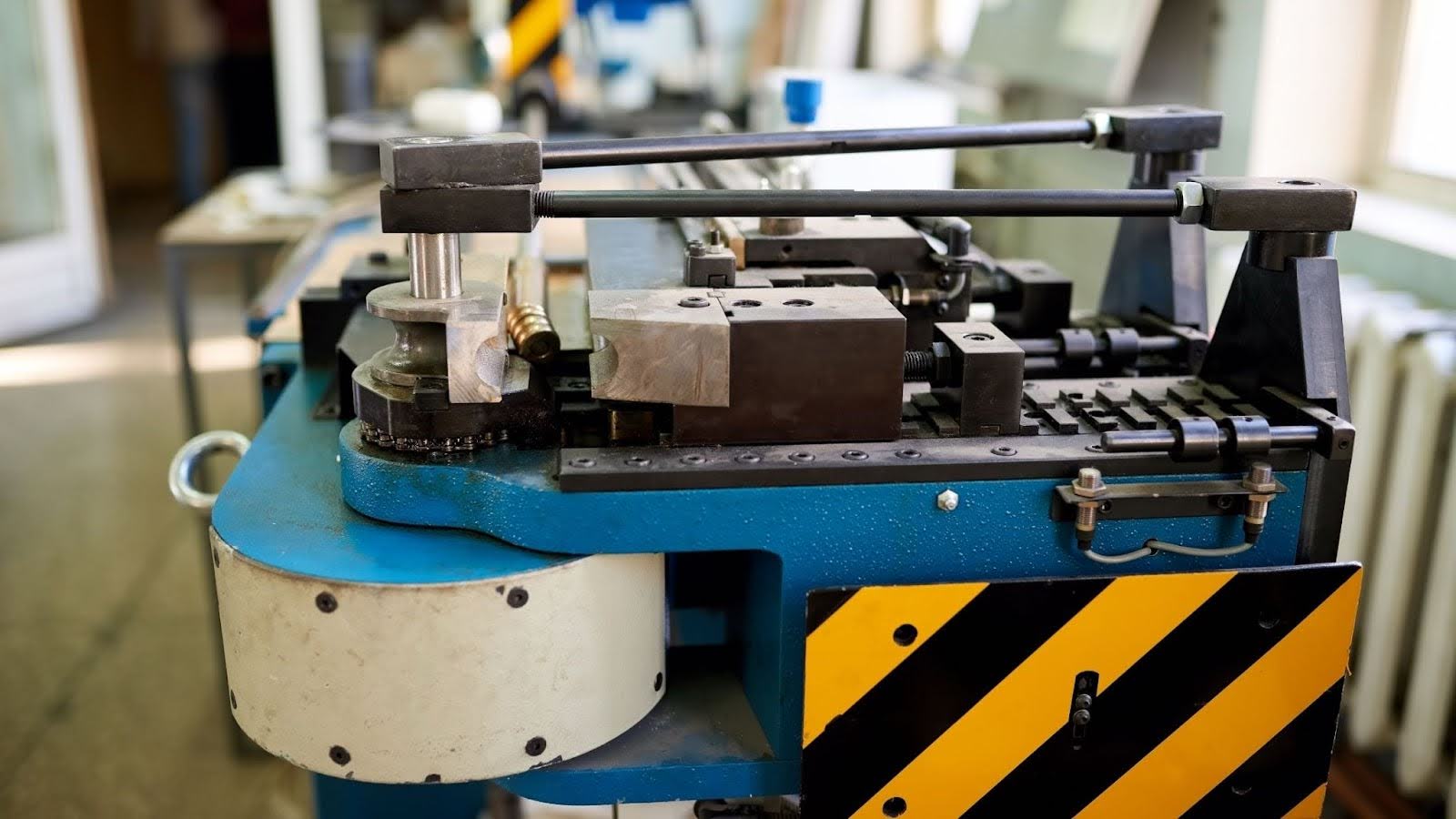
Hydraulic pipe bending uses pressurized hydraulic systems to apply precise, high-force bending to pipes, especially those with large diameters and thick walls. These systems offer better control, consistency, and accuracy than manual or mechanical methods. This process with hydraulic machines ensures repeatable results and high efficiency.
Advantages of Hydraulic Pipe Bending
Hydraulic pipe bending delivers strong, consistent force, allowing for smooth shaping of pipes that are otherwise difficult to bend. It supports a wide range of materials including steel, stainless steel, aluminum, and copper. Pressure and bending speed can be adjusted based on the pipe’s yield strength, wall thickness, and springback behavior. This flexibility increases both the quality and productivity of the operations.
Types of Hydraulic Pipe Bending Machines
Common hydraulic pipe bending machines include:
- Cylinder-based benders: Ideal for small to medium pipes.
- Rotary table benders: Suitable for varied angles and CNC control.
- Hydraulic press benders: Designed for large, thick-walled pipes requiring high force.
Choosing the right type depends on the pipe material, diameter, and required bend accuracy.
Applications Across Industries
Hydraulic pipe bending is used in:
- Construction: For water, gas, and heating systems
- Automotive: In exhaust, fuel, and brake lines
- Aerospace: For hydraulic and fuel systems
- Energy: In pipelines, power plants, and industrial systems
Choosing the right method ensures better performance, cost efficiency and structural integrity.
Troubleshooting in Pipe Bending
Common pipe bending problems include wrinkling, cracking, buckling, or inaccurate angles. Causes range from unsuitable material or thickness to incorrect machine settings. Identifying the issue early and adjusting force, bend radius, or speed can prevent quality loss. Effective troubleshooting of the bending process ensures consistency, safety and long-term performance. At Nova Fabrication, all tube bending issues are quickly resolved by teams of experts.
FAQs About Bending Pipe
Pipe bending standards vary by industry but generally follow ASME B31.1, B31.3 or EN 13480. These standards define bending radius, ovality, wall thinning and deformation limits to ensure safety and structural performance during operations.
To calculate pipe bending, you need the bend angle, bend radius, and pipe diameter. One common formula is:
Bend Allowance (BA) = (π × Angle × (Radius + K × Diameter)) / 180,
where K is a material factor. This helps determine the cut length before bending.
The minimum bend radius rule ensures that a pipe cannot be bent tighter than its structural limits. It typically ranges from 1.5 times to 3 times the outside diameter of the pipe, depending on the material and wall thickness, to prevent damage during bending.
Compression bending is considered the simplest pipe bending method. It uses basic equipment to press the pipe around a form. While cost-effective, it’s better suited for larger radii and less complex shapes.
The 360-degree bend rule in pipe bending refers to a complete circular bend, often achieved in coils or spirals. It’s used to manage thermal expansion or to save space, but requires precise calculation to maintain pipe integrity.
The minimum bend radius rule ensures a pipe is not bent tighter than its structural limits. It typically ranges from 1.5× to 3× the pipe’s outer diameter, depending on the material and wall thickness, to avoid damage during pipe bending.
There’s no universal number, but in pipe bending, a minimum wall thickness of 10% of the pipe’s outer diameter is often used as a rule of thumb. Thinner walls risk wrinkling or collapse and may require mandrel support.
This is typically 1.5 to 2 times the pipe’s outer diameter, depending on the pipe material and application. Tighter radii should only be used with enhanced techniques like mandrel bending.
To perform a 90-degree pipe bend, mark the pipe, use a bending die matched to the pipe size, and apply gradual force through a bending machine or hydraulic bender. Ensure the bend radius meets material specifications to prevent deformation.