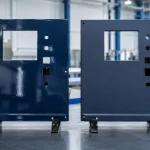


Security projects require more than visibility and access control. In many commercial, industrial and public environments, physical protection is also an essential part of the design. Bollard and barrier systems are used to guide vehicle movement, protect pedestrian areas, secure building entrances and reduce the risk of unauthorized access.
A well-designed bollard or barrier system should be strong, durable and suitable for the environment where it will be installed. It should also support daily operation without creating unnecessary obstacles for users, vehicles or maintenance teams. This balance between security, durability and usability is what makes metal bollards and barrier systems important in modern security planning.
From industrial facilities to commercial properties, parking areas, public spaces and critical access points, durable metal security solutions can help create safer and more controlled environments.
What Are Bollard and Barrier Systems?
Bollards are vertical posts installed to control or restrict vehicle access, protect structures and guide pedestrian movement. They can be fixed, removable, retractable or decorative depending on the project requirements. Some bollards are designed mainly for traffic guidance, while others are developed for stronger impact resistance and perimeter protection.
Barrier systems are broader physical security solutions used to manage vehicle entry, separate restricted zones and protect specific areas. They can include road barriers, access control barriers, metal protection systems and custom fabricated security components.
In many projects, bollards and barrier systems work together. Bollards can protect building entrances and pedestrian zones, while barriers can control larger access points such as gates, roads, loading areas and parking entrances. For custom security projects, bollard solutions and barrier systems can be evaluated according to the required protection level and project environment.
Why Metal Is Preferred for Security Systems
Metal is widely used in bollard and barrier manufacturing because it provides strength, durability and long service life. Security products are often exposed to outdoor conditions, vehicle movement, impact risk, weather changes and continuous daily use. For these reasons, material selection is one of the most important parts of the design.
Steel is commonly preferred for strong and heavy-duty security applications. Stainless steel can be selected when corrosion resistance and a clean appearance are important. Galvanized steel may also be used when the product needs additional protection against moisture and outdoor exposure.
The surface finish is also important. A bollard or barrier system used outdoors should resist corrosion, scratches and environmental wear. Powder coating, galvanizing or stainless steel finishes can improve durability and help the system maintain a professional appearance over time.

Where Bollard and Barrier Systems Are Used
Bollard and barrier systems are used in many different environments. In commercial buildings, they can help protect entrances, storefronts, parking areas and pedestrian walkways. In industrial facilities, they can separate vehicle routes from working areas, protect machinery and create safer internal traffic flow.
Public spaces also use bollards to guide pedestrian movement and prevent vehicles from entering restricted areas. In logistics centers, warehouses and production facilities, barrier systems can support controlled access and reduce the risk of accidental vehicle damage.
The main goal is not always the same. Some projects focus on traffic control, while others require stronger physical protection. Some systems are designed to blend with the surrounding architecture, while others are built mainly for industrial strength. This is why every project should be evaluated according to its own security risks, site layout and operational needs.
Fixed, Removable and Retractable Bollards
Different bollard types are suitable for different access requirements. A fixed bollard is usually selected when an area must be protected permanently. It provides a stable solution for entrances, sidewalks, storefronts and protected zones where vehicle access should not be allowed.
Removable bollards are useful when an area needs to stay protected most of the time but still requires occasional vehicle access. They can be used in service entrances, event areas, emergency routes or maintenance zones.
Retractable or automatic bollards are preferred when controlled access is needed more frequently. These systems can be lowered or raised depending on vehicle authorization, making them suitable for high-traffic access points, private facilities and restricted entrances.
Bollard Type | Best Use Case | Main Advantage |
Fixed Bollards | Permanent protection areas | Strong and stable protection |
Removable Bollards | Occasional access zones | Flexible access control |
Retractable Bollards | Controlled vehicle entry points | Practical daily operation |
Decorative Bollards | Public and commercial spaces | Security with visual integration |
Heavy-Duty Bollards | Industrial and high-risk areas | Stronger physical resistance |
The right choice depends on how often access is needed, what level of protection is required and how the system will interact with pedestrians, vehicles and daily operations.

Design Considerations for Security Projects
A successful bollard or barrier system starts with correct site planning. The product itself is important, but placement, spacing, foundation design and installation quality are just as critical. If the layout is not planned properly, even a strong metal system may not provide the expected level of protection.
Spacing is one of the most important design details. Bollards should be positioned to prevent unauthorized vehicle access while still allowing safe pedestrian movement. For areas that require wheelchair access, emergency access or service vehicle entry, the layout must be planned carefully.
Foundation and anchoring also affect performance. A bollard installed without proper foundation support may not perform as expected under impact or heavy use. For projects that require certified crash protection, the rating, installation method and tested configuration should be considered together.
Durability and Surface Protection
Since bollards and barriers are often installed outdoors, durability is a key requirement. Rain, snow, humidity, road salt, sunlight and temperature changes can affect the surface and structure of the product over time.
Corrosion protection should be planned according to the installation environment. For outdoor security systems, galvanized steel, stainless steel or suitable coating systems can help extend service life. A durable finish also reduces maintenance needs and supports a cleaner appearance in commercial or public areas.
Surface protection is not only about appearance. If corrosion starts around the base, weld areas or connection points, the long-term performance of the system can be affected. For this reason, coating services can be an important part of bollard and barrier manufacturing.
Manufacturing Quality and Weld Strength
Bollard and barrier systems must be manufactured with consistent quality. Cutting accuracy, welding strength, material thickness, surface preparation and final inspection all affect the durability of the product.
Welding is especially important in heavy-duty barrier systems and custom metal security components. Poor welding can weaken connection points and reduce long-term reliability. Clean welds, correct joint design and proper finishing help create stronger and safer products.
For custom fabricated security systems, production should be planned as a complete process. Metal cutting, bending, machining, welding, surface finishing and quality control should work together to create a final product that is both functional and durable. Broader manufacturing services can support projects that require multiple metal fabrication stages.
Choosing the Right System for Your Project
Choosing a bollard or barrier system should start with the purpose of the project. A retail storefront may need visually clean protection against low-speed vehicle impact. An industrial facility may need strong barriers to protect equipment and guide forklift or vehicle traffic. A public space may need a balance of pedestrian access, urban design and perimeter control.
Buyers should define the site conditions before production begins. The manufacturer needs to understand whether the system will be used indoors or outdoors, whether vehicle impact resistance is required, how frequently access is needed and what surface finish is expected.
It is also helpful to share site drawings, technical requirements, installation area dimensions and any specific security expectations. These details help determine the right material, structure, coating and installation approach.
Bollards, Barriers and Urban Design
Security systems should not always look aggressive or overly industrial. In commercial and public areas, bollards and barriers can be designed to support the visual character of the space. Stainless steel finishes, powder coated colors and clean geometric forms can help security products blend into the environment.
For shopping centers, hotels, office buildings, public squares and retail areas, appearance can be just as important as function. A well-designed bollard system can protect the area while still maintaining a modern and organized look.
In industrial areas, the priority is usually strength and visibility. Bright colors, reflective details or heavy-duty designs may be preferred to make barriers easier to notice and reduce collision risk.
Conclusion
Bollard and barrier systems are important metal solutions for security projects. They help control access, protect pedestrians, secure buildings and support safer vehicle movement in commercial, industrial and public environments.
The right system depends on the project’s risk level, site layout, usage frequency, material requirements and installation conditions. A durable bollard or barrier is not only about strong metal; it also requires proper design, correct spacing, reliable foundation planning, quality welding and suitable surface protection.
For buyers planning a security project, the best results come from clear project information and early technical evaluation. When the system is designed and manufactured according to real site conditions, bollards and barriers can provide long-term protection, durability and visual integration.