
In industrial production, metal joining processes are of critical importance for the durability and longevity of products. At the heart of custom metal fabrication processes, welding technologies offer flawless results today through advanced techniques and strict quality standards. As Nova Fabrication, we combine modern welding methods with international quality norms to ensure the highest durability in your projects.
What Are Modern Welding Techniques?
With advancing technology, customized welding methods are used for different metal types and project requirements. The primary techniques most commonly preferred in metal fabrication and offered within professional welding services are as follows:
1. MIG-MAG and Argon (TIG) Welding
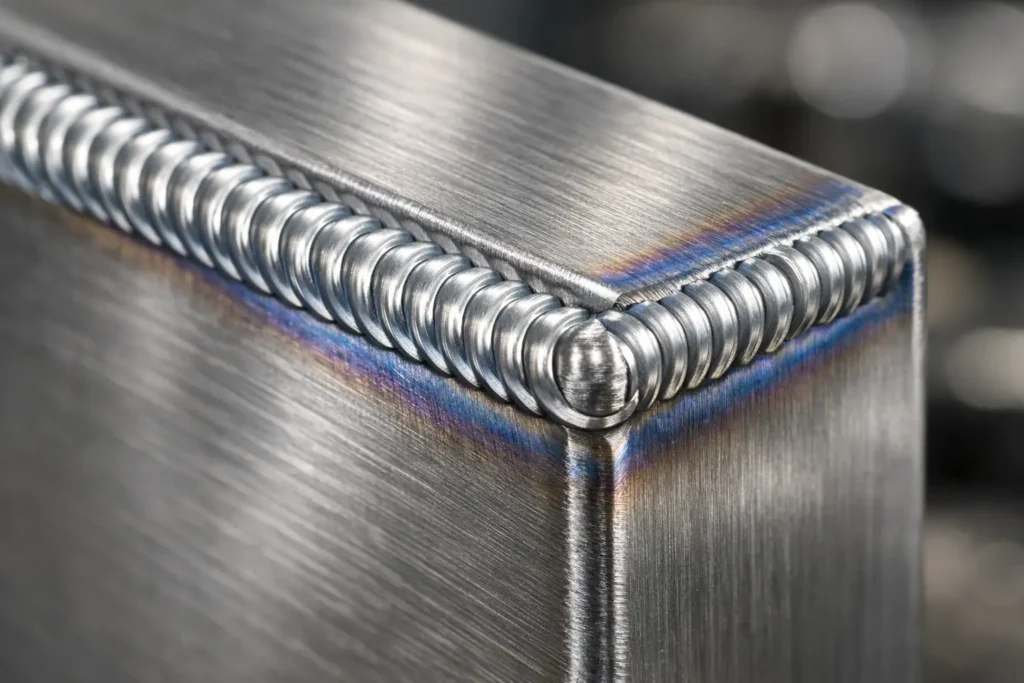
While MIG-MAG welding provides high speed and efficiency, TIG (Argon) welding offers micron-level precision, especially in materials like stainless steel and thin metals. These methods ensure aesthetic, burr-free, and leak-proof joints while preserving the structural integrity of the material.
2. Robotic Welding Systems
Aiming for standardization and a zero-error margin in mass production, robotic welding systems minimize human-induced errors. In industrial projects seeking both speed and continuous quality, robotic automation brings production efficiency to its peak.
3. Spot Welding
Primarily used in sheet metal processing, spot welding creates structurally sound products by enabling the fast joining of thin materials without causing deformation.

Quality Standards and Quality Control (QC)
A high-quality welding process is possible not only through the application of the right technique but also by testing it with strict inspection mechanisms. The full implementation of international Quality Control (QC) and Quality Assurance (QA) systems in welding operations ensures that micro-cracks or structural weaknesses at joint points are detected in advance. In production processes, it is essential for the success of the project that every manufactured part undergoes the most rigorous tests and fully complies with international standards.
Post-Welding Integrity: Machining and Coating
Another important element supporting welding quality is the complementary surface treatments applied after welding. To increase the corrosion resistance of joined parts and provide an industrial aesthetic, surface coating services such as electrostatic powder coating or hot-dip galvanizing should be applied. Additionally, for products requiring high engineering and precision, parts are moved to CNC machining stations after the welding process to achieve perfect dimensions and tolerances.
Conclusion
The construction of durable, safe, and long-lasting metal products is only possible by choosing the right welding techniques and implementing uncompromising modern quality standards. From the simplest designs to turnkey giant projects, you can bring your projects to life with confidence by working with Nova Fabrication, which stands out with its competitive prices and expert staff for all your manufacturing needs. To learn more about our custom production processes and quality-oriented solutions, you can visit our website and request a quote immediately.