

What is Custom Metal Fabrication?
Custom metal fabrication, which has become an indispensable part of industrial production processes today, is the process of shaping and assembling metal parts according to a specific need or design. The custom metal fabrication process, which comes into play when standard production methods are insufficient, offers unique and personalized solutions. In this field, where various metals such as sheet metal, aluminum and stainless steel are used, the desired form is achieved by applying different techniques such as cutting, bending and welding. Custom metal fabrication is used in a wide range of industries from automotive to aviation, from construction to electronics. So, what is custom metal fabrication?
Custom metal fabrication is the process of custom designing and manufacturing metal parts for a specific project or requirement. This process is an ideal solution when standard metal products or components cannot be used. Custom metal fabrication involves the production of unique and customized metal parts designed to meet the customer’s specific requirements. This is often preferred in situations such as prototyping, small-scale production or the realization of complex designs. Sheet metal fabrication is also an important part of this process and deals specifically with the processing of thin metal sheets.
The main goal of custom metal fabrication is to offer the most suitable solution for the customer’s needs. This starts from the design phase and covers material selection, manufacturing techniques and finishing processes. The processing of different metals and alloys, including the use of specialty metals, is an important aspect of custom metal fabrication. Customers can get support from experts in custom metal fabrication in selecting the most suitable metal for a specific application. As a result, custom metal manufacturing is a process that helps businesses gain a competitive advantage when standard solutions are insufficient.
What Does Metal Fabrication Include?
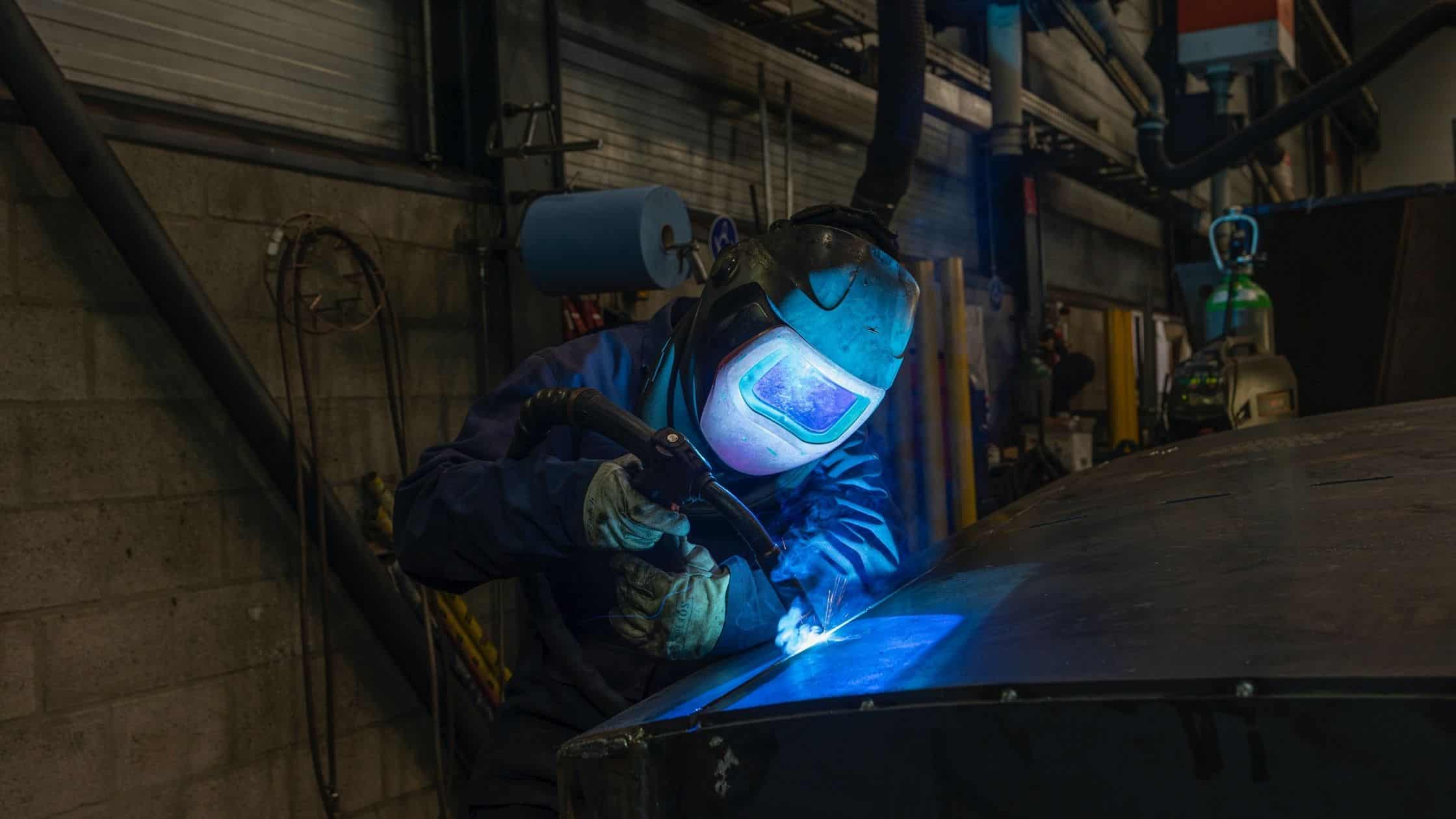
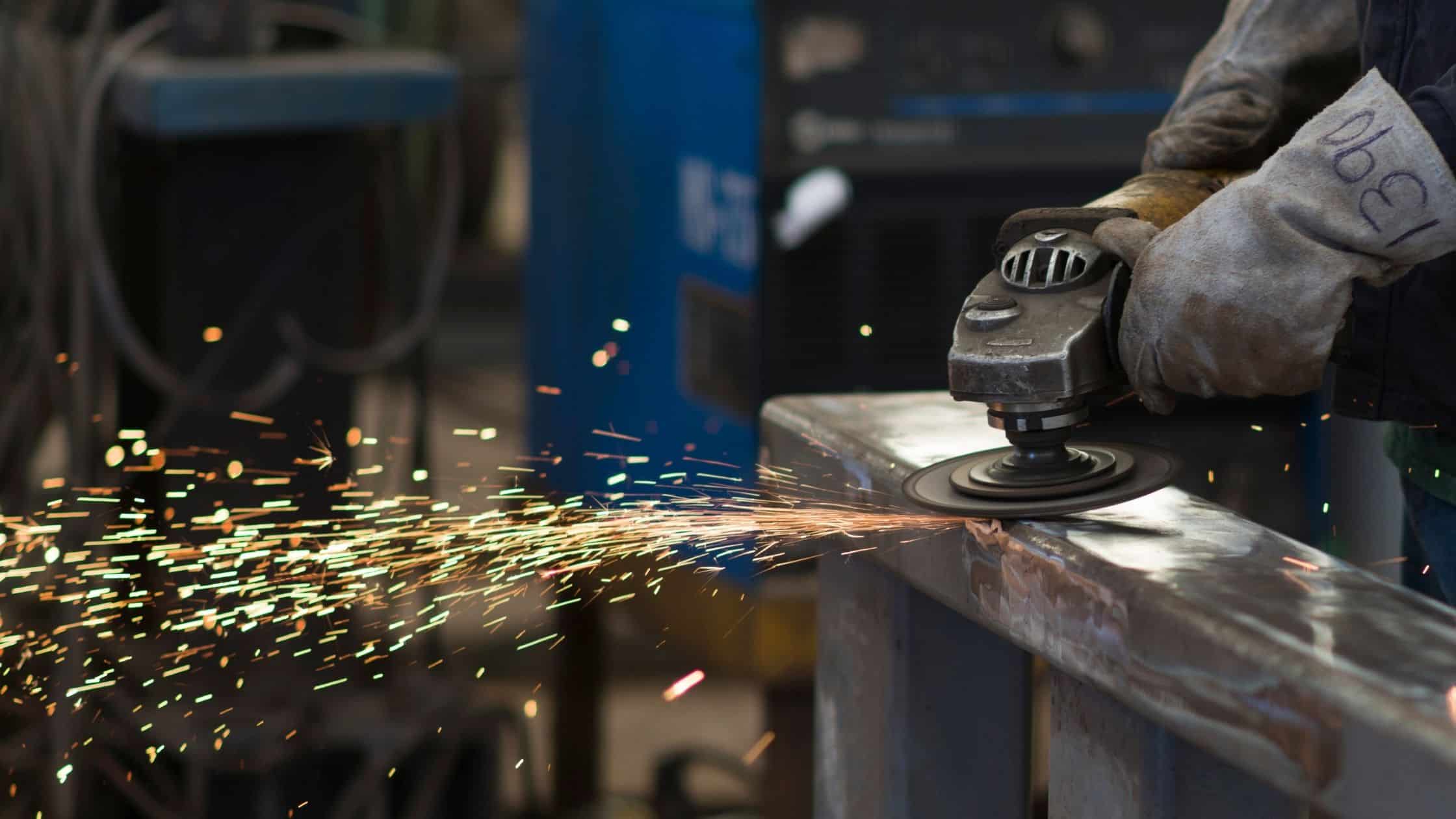
Custom metal fabrication is a comprehensive field covering a wide range of processes and techniques. These processes involve forming raw metal into the desired shape and size. Sheet metal processing includes various operations such as cutting, bending, welding, punching and assembly. Cutting processes include laser cutting, plasma cutting and water jet cutting. Bending processes allow metal to be shaped at specific angles. Welding processes are used to join different pieces of metal together. Drilling processes allow holes to be drilled into the metal. Assembly processes combine different pieces of metal to create the final product.
Custom metal fabrication is also an important part of metal fabrication. This process involves machining special metals such as aluminum, stainless steel, copper and titanium. These metals have special properties required by specific applications. For example, stainless steel has a high resistance to corrosion, while aluminum is known for its light weight and high strength. Custom metal manufacturing involves designing and producing metal parts according to the customer’s specific requirements. This flexibility in the specialty metal fabrication process is a critical factor for the success of customers’ projects.
What are the Benefits of Custom Metal Fabrication?
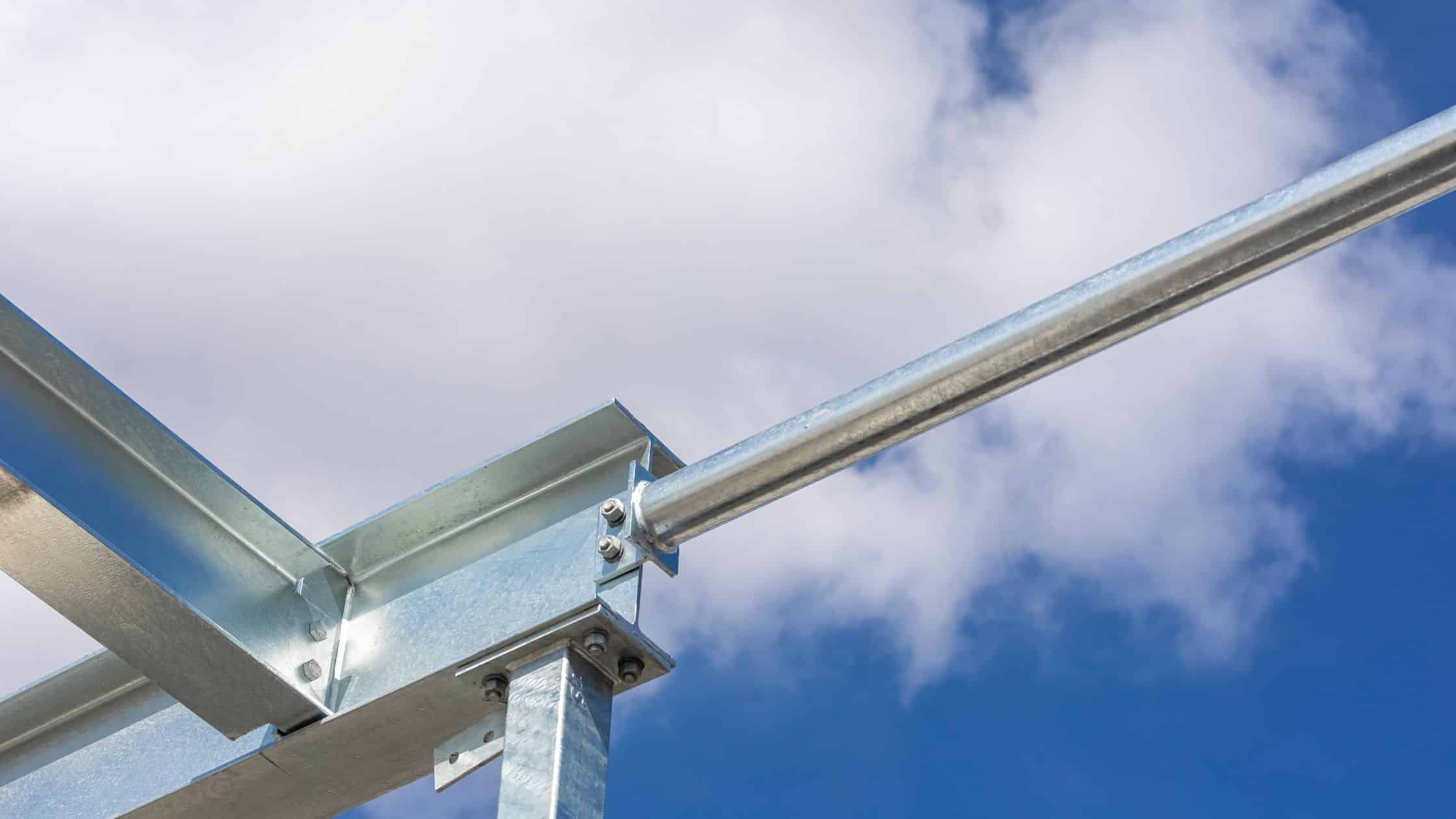
Custom metal fabrication offers many advantages compared to standard metal products. One of the most important advantages is the ability to offer solutions that are precisely tailored to the customer’s specific needs and requirements. Standard products are often designed for a specific purpose and may fall short of meeting the customer’s specific requirements. With custom metal fabrication, however, customers can specify their own designs and measurements and thus obtain metal parts that are best suited to their project. This is a great advantage, especially in areas such as prototype development, the production of special machine parts and the realization of unique designs.
Another important advantage is the flexibility it offers in terms of material selection. Different metals, such as sheet metal, aluminum, stainless steel, copper and titanium, have different properties and may be more suitable for different applications. With custom metal fabrication, customers can choose the metal that best suits the requirements of their project. The use of special metals is also possible. For example, special metals such as titanium or nickel alloys can be used in high performance applications such as aerospace or defense. This flexibility in the metal manufacturing process is a critical factor for the success of customers’ projects.
What are the 3 Main Fabrication Techniques?
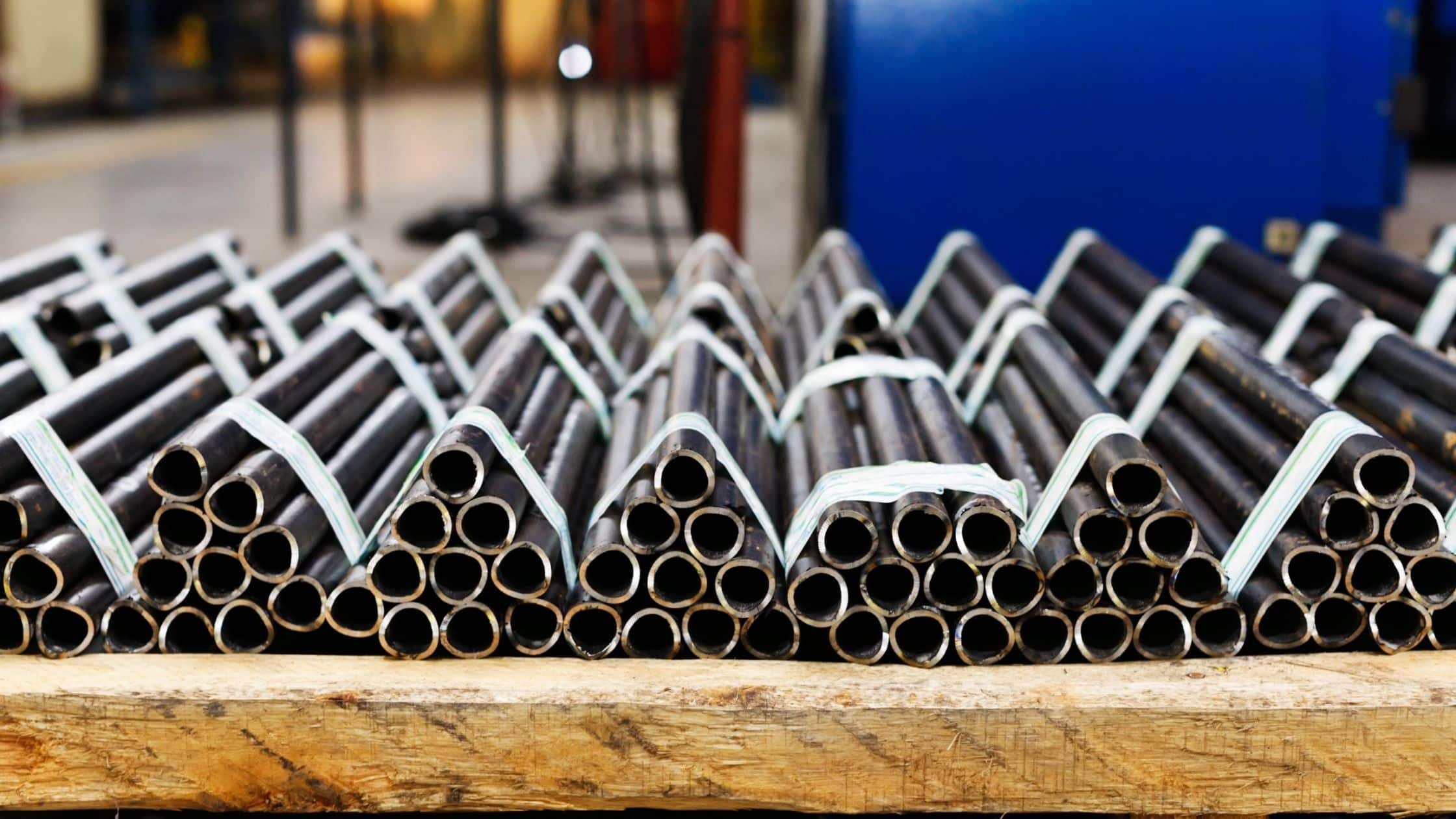
The main techniques used in custom metal fabrication include cutting, forming and joining. Cutting techniques allow metal to be cut to the desired dimensions. There are different cutting methods such as laser cutting, plasma cutting and water jet cutting. Laser cutting is ideal for jobs that require high precision. Plasma cutting is suitable for cutting thicker metals. Water jet cutting is preferred for cutting heat sensitive metals. In custom metal fabrication, forming techniques allow the metal to be shaped into the desired form. There are different forming methods such as bending, deep drawing and rolling. Bending allows metal to be shaped at certain angles. Deep drawing allows metal to be molded into complex shapes. Rolling allows the thickness of the metal to be reduced.
Joining techniques allow different pieces of metal to be joined together. There are different joining methods such as welding, brazing and riveting. Welding allows pieces of metal to be joined by melting them together. Soldering allows metal parts to be joined at low temperature. Riveting allows metal parts to be joined mechanically. The correct application of these techniques in sheet metal fabrication processes is of great importance for the quality and durability of the final product. In Nova Fabrication‘s custom metal fabrication processes, the most appropriate techniques are selected and applied according to the specific needs of the customer.
FAQs About Custom Metal Fabrication
The two most common types of fabrication are welding and machining. Welding joins metal parts together using heat, while machining removes material from a solid block to create a desired shape or structure.
Casting involves pouring molten metal into a mold to form a shape, whereas fabrication shapes metal through cutting, bending, and assembling solid materials without melting them.
Fabrication is the broader process of creating metal structures by cutting, forming, and assembling components. Welding is one specific technique within fabrication used to permanently join metal parts.
Metal fabrication can be challenging due to its technical nature and precision requirements. However, with the right tools, training, and experience, it becomes manageable and highly rewarding.
Custom design and fabrication is the process of creating unique metal components tailored to specific requirements, often involving one-off or small-batch production based on client specifications.
Metal fabrication itself is not an engineer, but engineers often work closely with fabricators. Some fabrication processes are overseen or designed by mechanical or industrial engineers to ensure structural integrity and efficiency.
Both welding and fabrication require skill and experience. Welding demands steady hands and knowledge of different techniques, while fabrication requires understanding material behavior, tools, and measurements.
Metalworking is a broad term covering all processes involving metal shaping, including forging, casting, and machining. Metal fabrication specifically refers to assembling metal structures through processes like cutting, bending, and welding.