
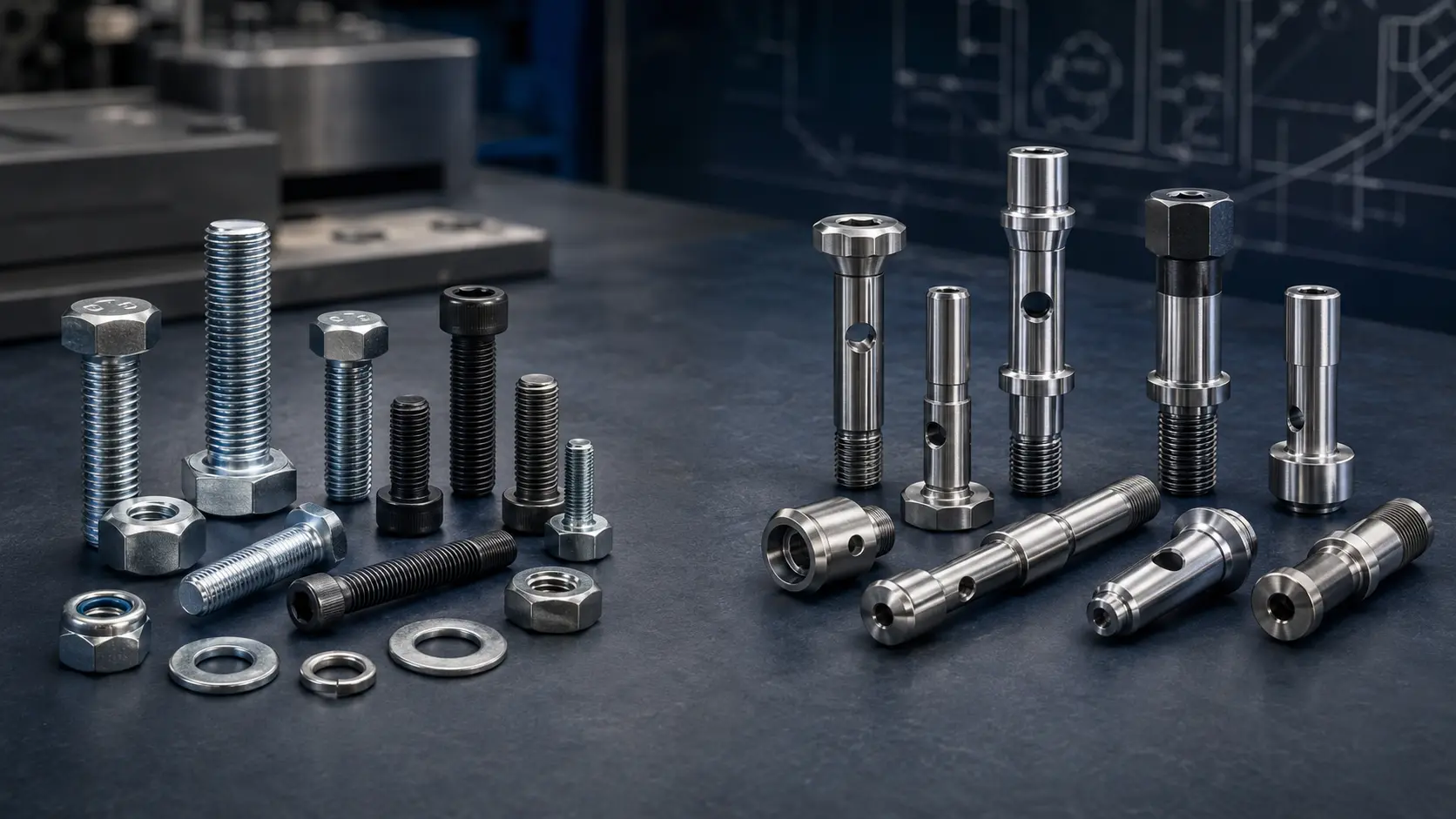
A fastener may be one of the smallest items on a bill of materials, yet it can determine assembly time, service access, structural reliability and production continuity. The sourcing choice is often framed too narrowly: a catalogue bolt appears cheap and immediately available, while a custom part appears expensive and slow. That comparison is incomplete. […]
General
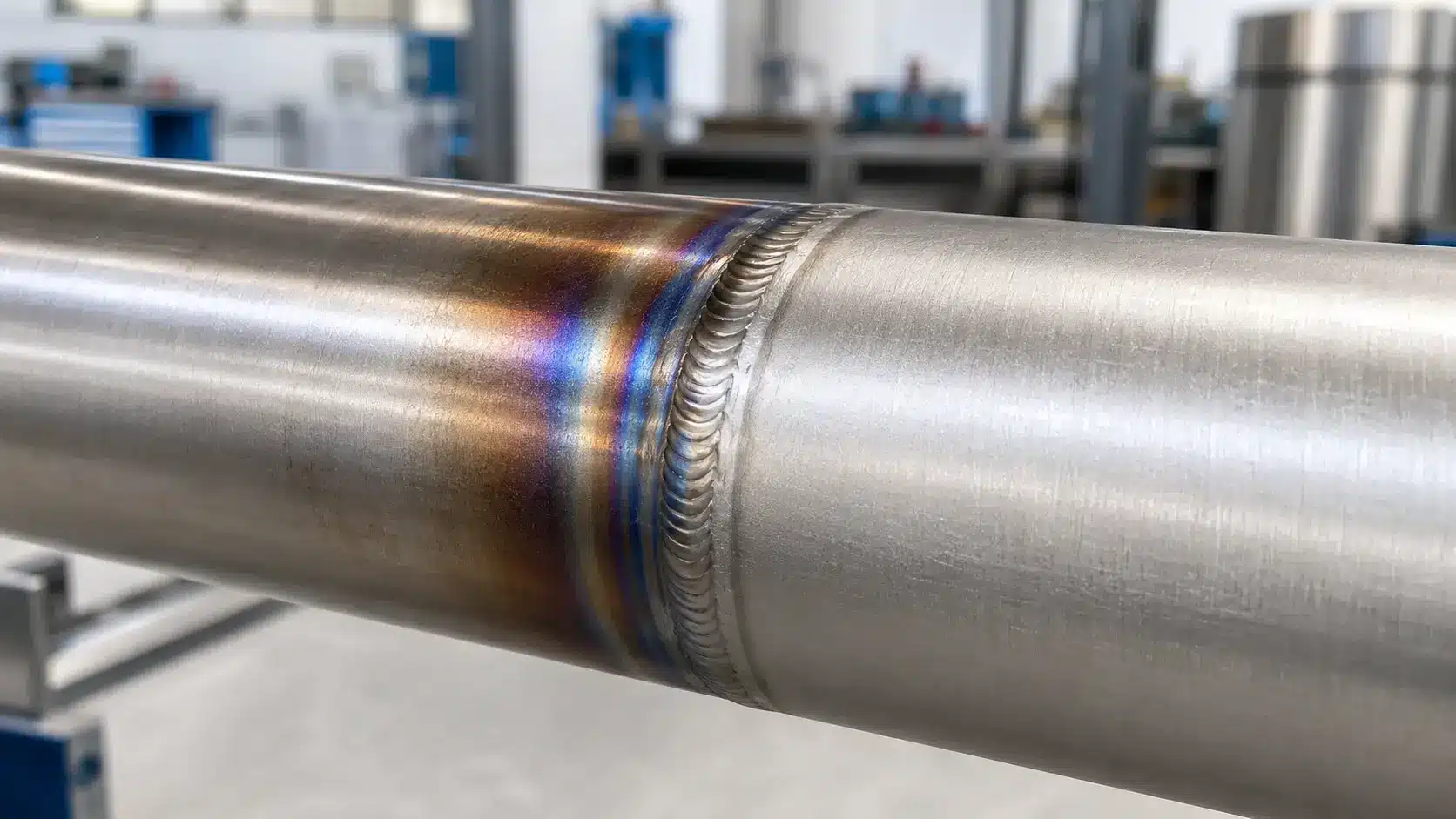
Stainless steel is selected for corrosion resistance, cleanliness and long service life, but welding temporarily changes the surface that delivers those benefits. Heat tint forms beside the weld, high-temperature oxide grows thicker than the normal passive film, and fabrication can introduce carbon-steel particles or other contamination. A sound weld can therefore be mechanically acceptable while […]
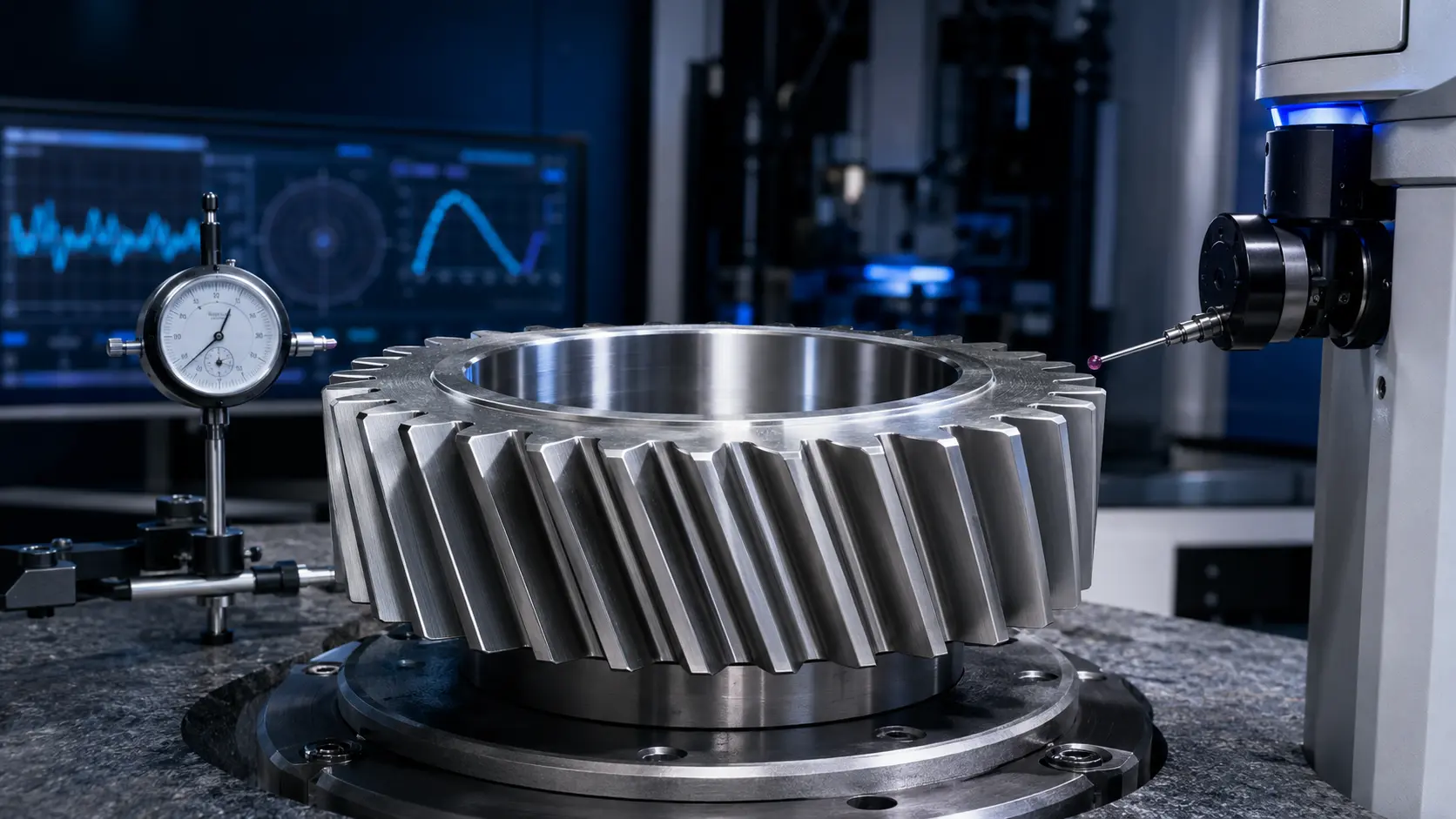
A gear can look clean, measure correctly across its outside diameter and still create noise, heat, vibration or positioning error in service. The reason is simple: gear quality is not one dimension. It is a combination of tooth geometry, concentricity, mating clearance, surface condition and the way the gear behaves when it rolls with another […]
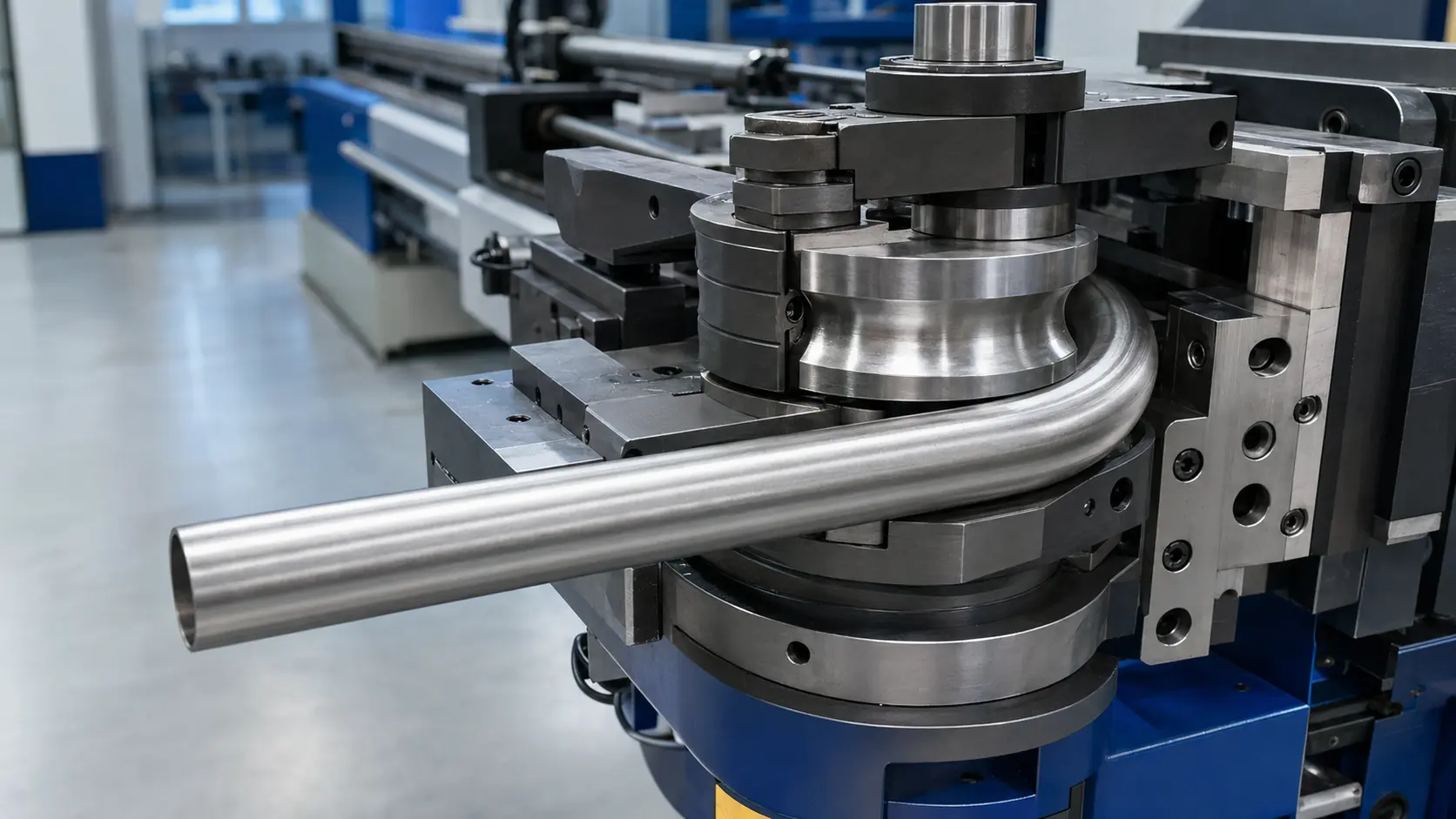
During a bend, the outside of the curve—the extrados—is pulled in tension and tends to lengthen and thin. The inside of the curve—the intrados—is compressed and tends to shorten, which can make the wall buckle into wrinkles. At the same time, radial forces push the circular section toward an oval or flattened shape. The neutral […]
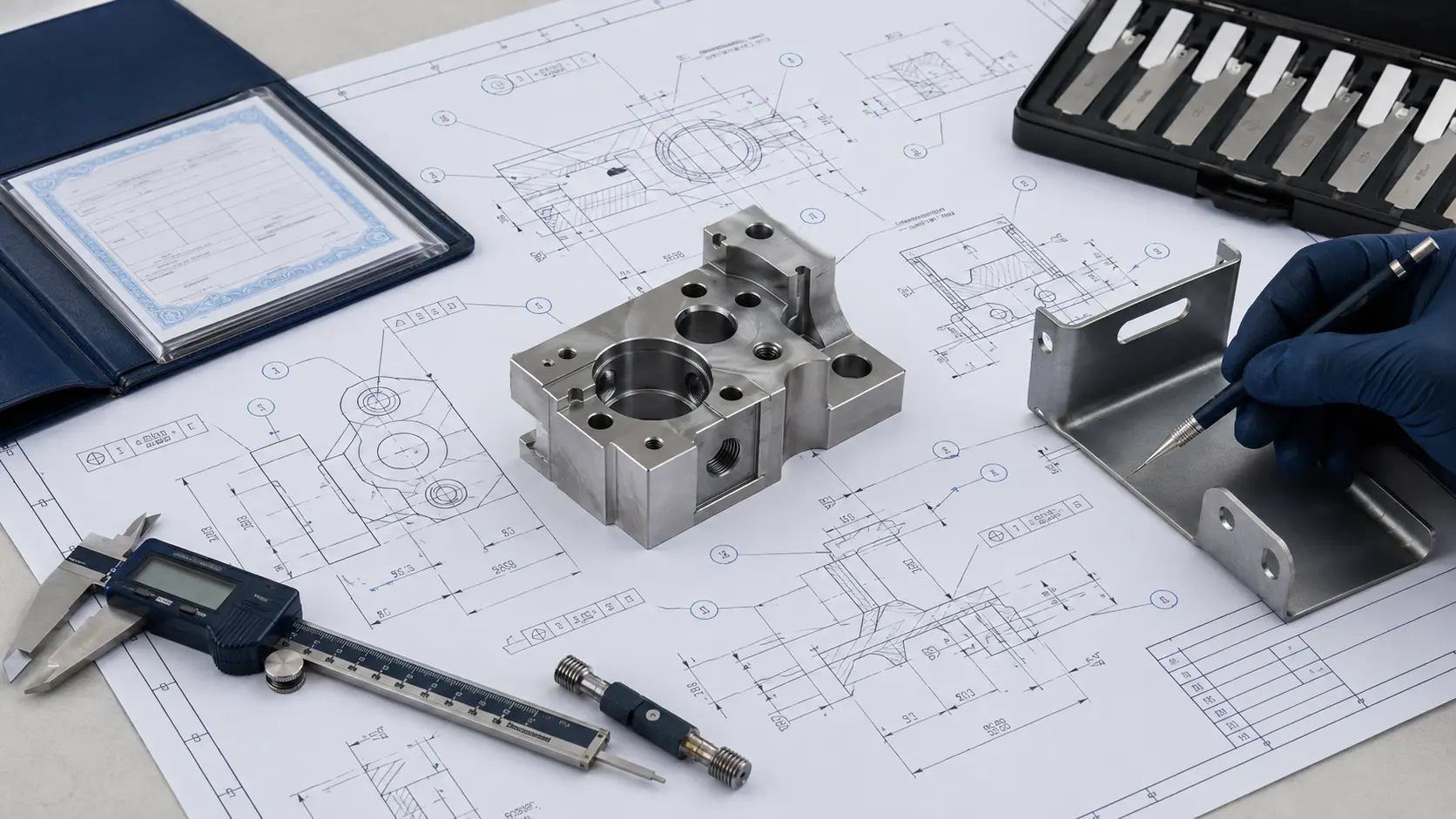
When buyers order custom metal parts, approving a drawing is only the beginning. The first manufactured parts must show that the supplier has understood the material, dimensions, tolerances, finish and process requirements. A First Article Inspection, usually shortened to FAI, provides documented evidence before routine production moves forward. For projects involving custom metal manufacturing, a […]
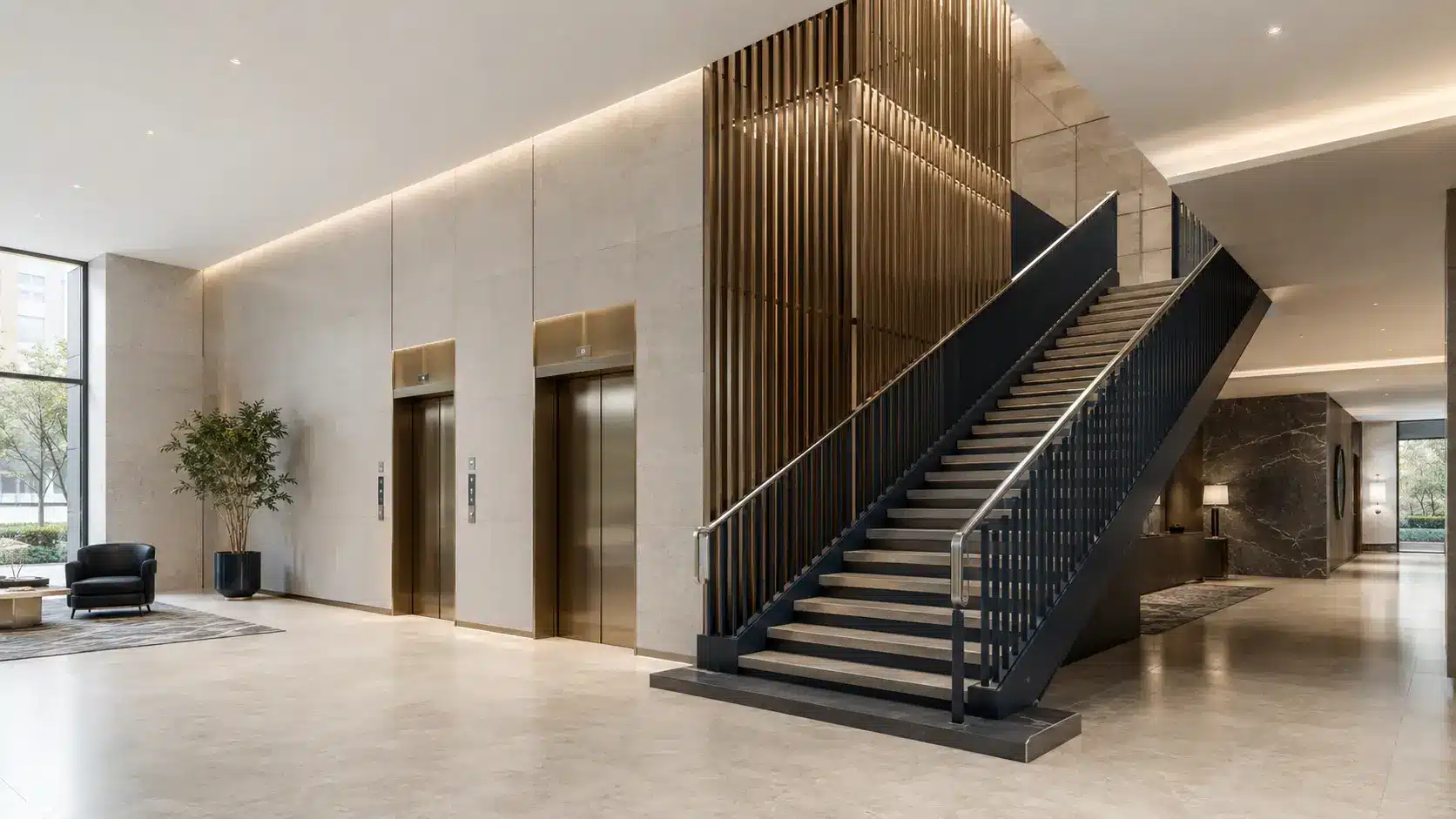
Architectural components are judged under changing light and from different distances. A finish that looks uniform on a small sample may reveal weld shadows, panel distortion or color variation on a full-size assembly. High-touch locations expose fingerprints and scratches, while exterior installations add ultraviolet exposure, rain, pollution and salts. Finish selection therefore needs a clear […]
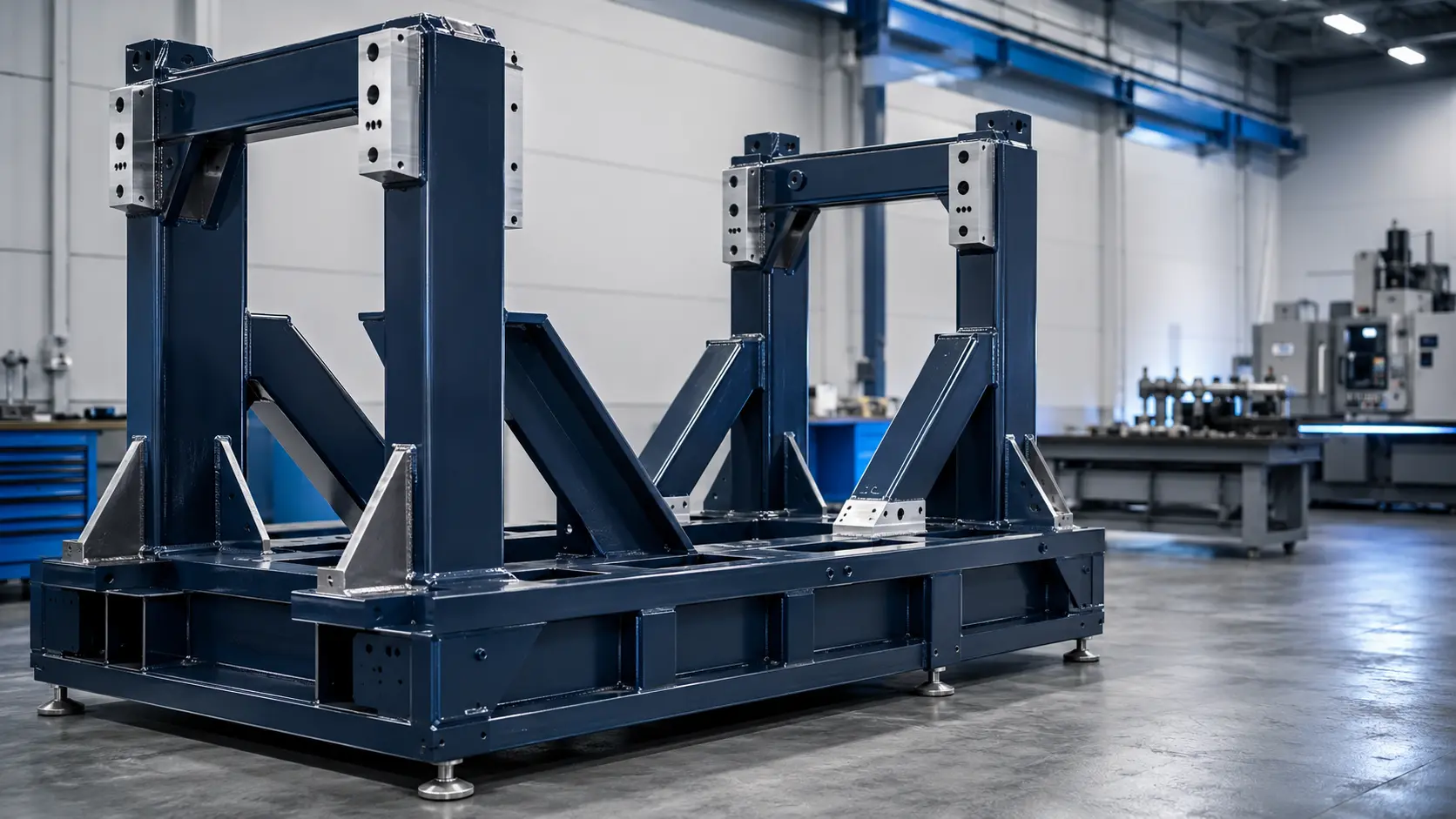
A machine frame does more than carry equipment. It establishes the relative position of motors, bearings, guides, tooling, sensors and workpieces while forces change during operation. If the structure bends, twists or vibrates, the machine may still look strong but lose accuracy, generate noise, wear components unevenly or produce inconsistent parts. Good frame design therefore […]
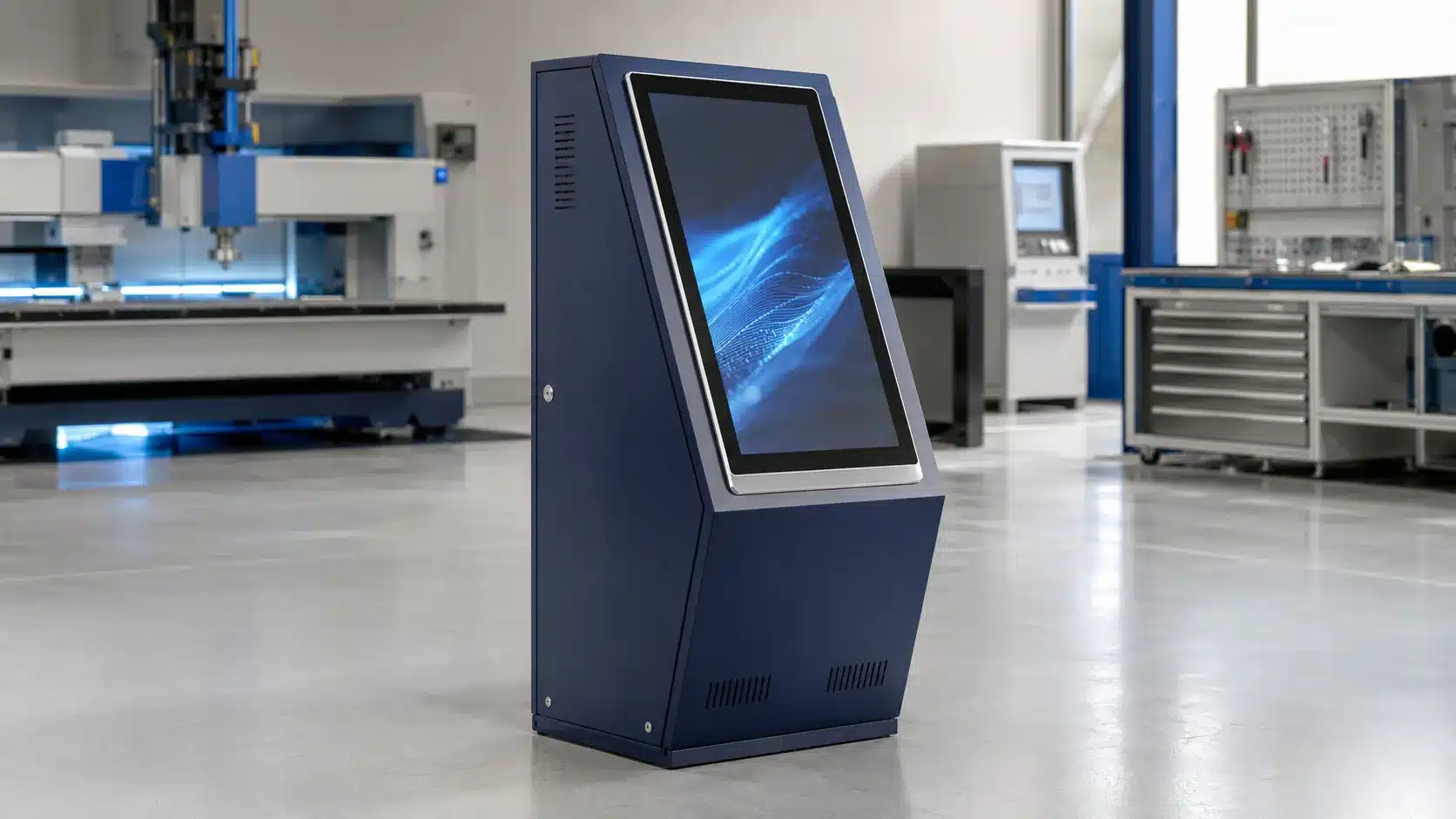
A kiosk enclosure may look like a simple sheet metal cabinet, but it has to coordinate the user interface, electronics, thermal management, cable routing, security, installation and field service. If these requirements are resolved only after the outer shape has been approved, the project often returns to CAD with a larger screen cutout, extra vents, […]
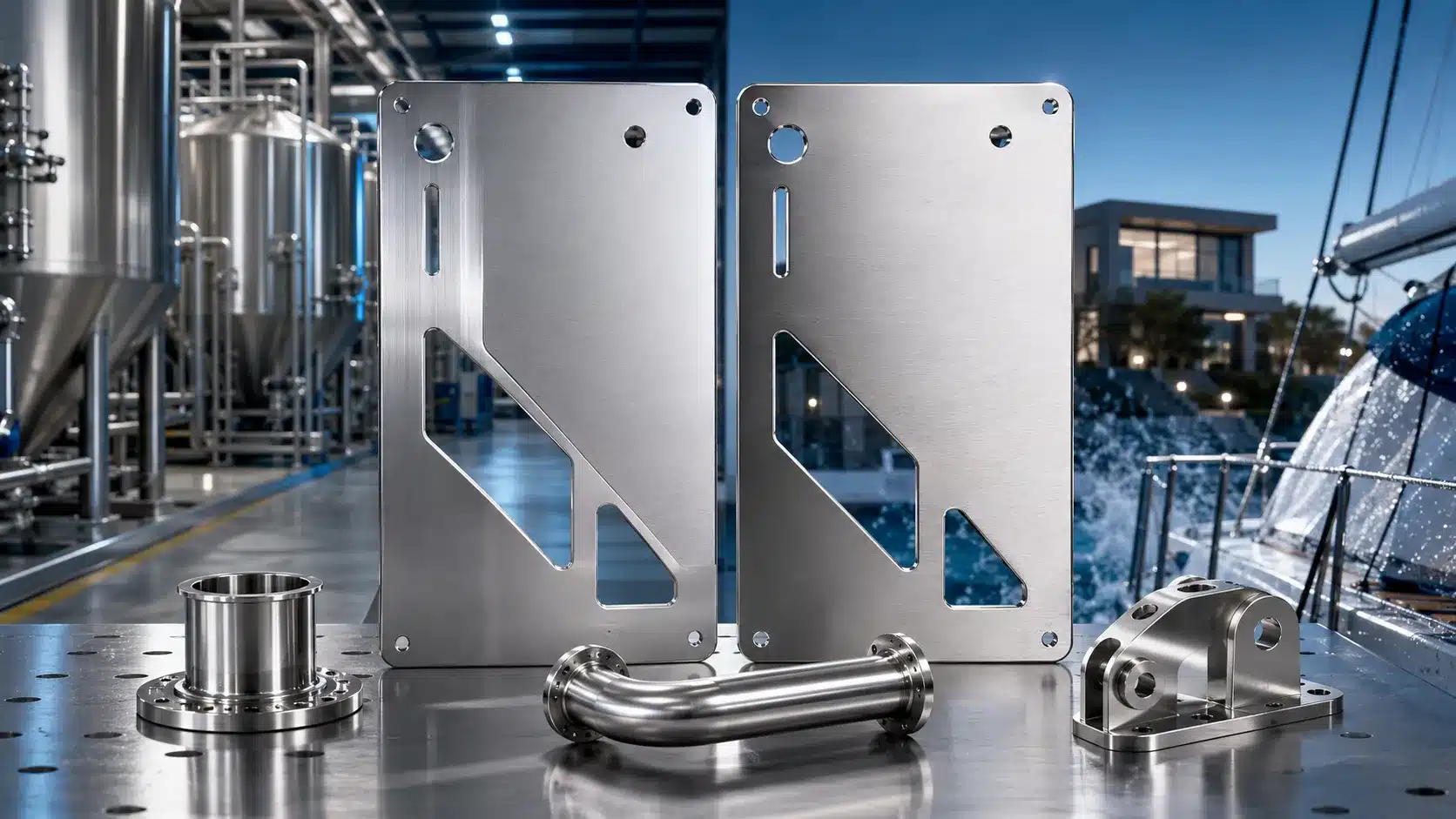
304 and 316 are the two stainless steel grades most frequently considered for fabricated equipment, enclosures, tanks, brackets and architectural components. Both offer good formability, weldability and a clean appearance. The important difference is how they respond to the environment—especially chlorides from salt, cleaning chemicals, sea spray and deicing salts. Choosing the higher-priced grade by […]
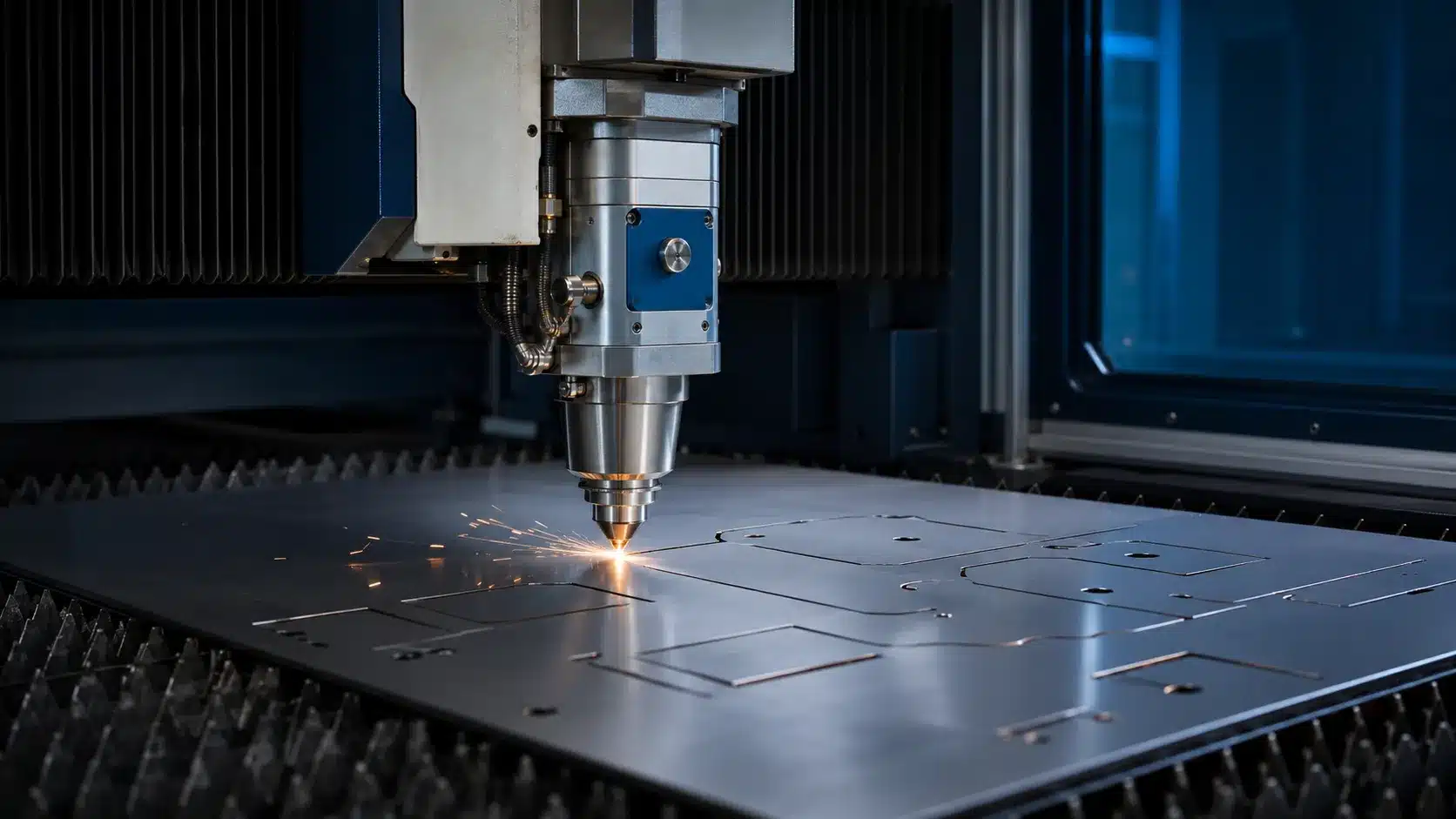
A laser-cut profile can look clean and still fail its function. A hole may be the wrong size after kerf compensation, a narrow web may move as heat accumulates, or a small burr may prevent a bracket from seating. Conversely, a visible striation pattern may be acceptable when the contour, fit and downstream finish all […]